焔Maison HomuraShop
← All cabinets
三 · 10 pieces

The wood cabinet

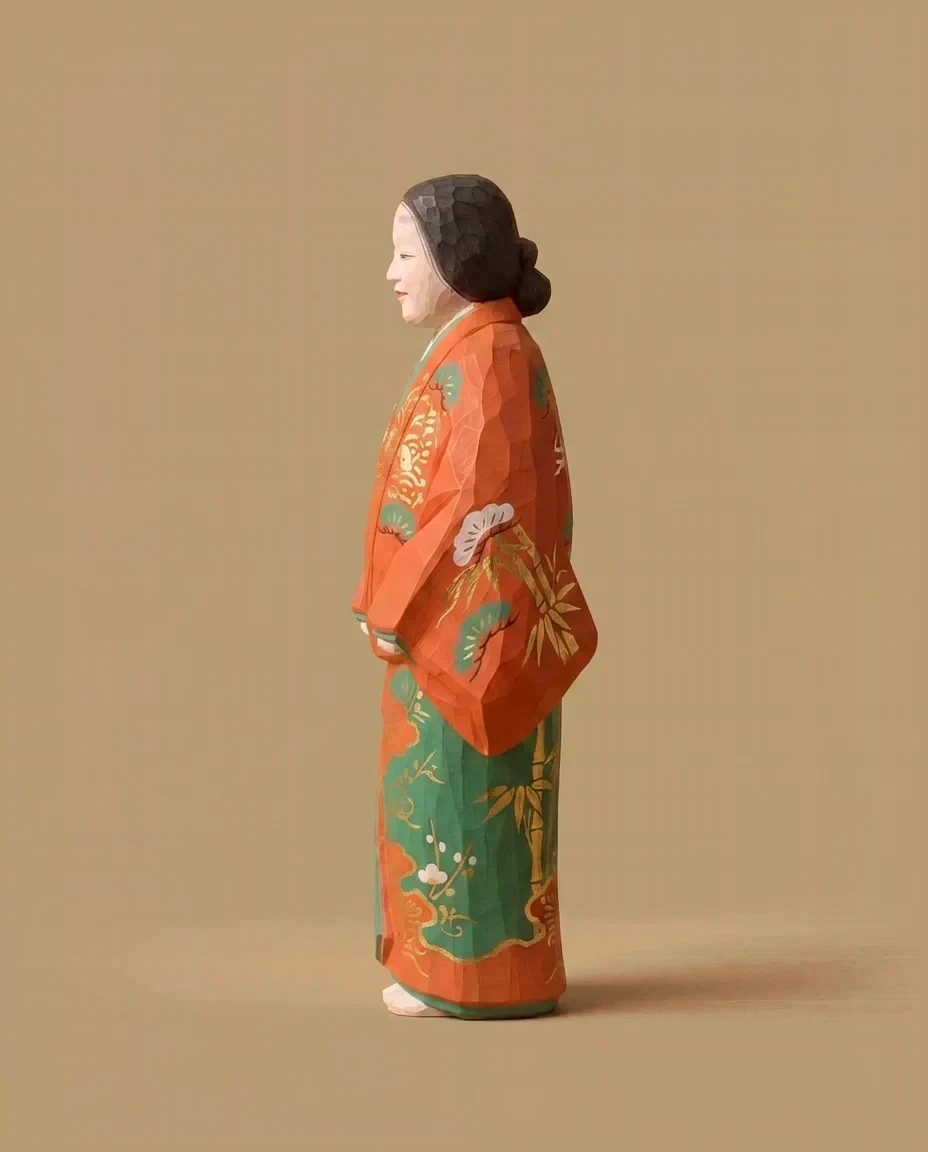
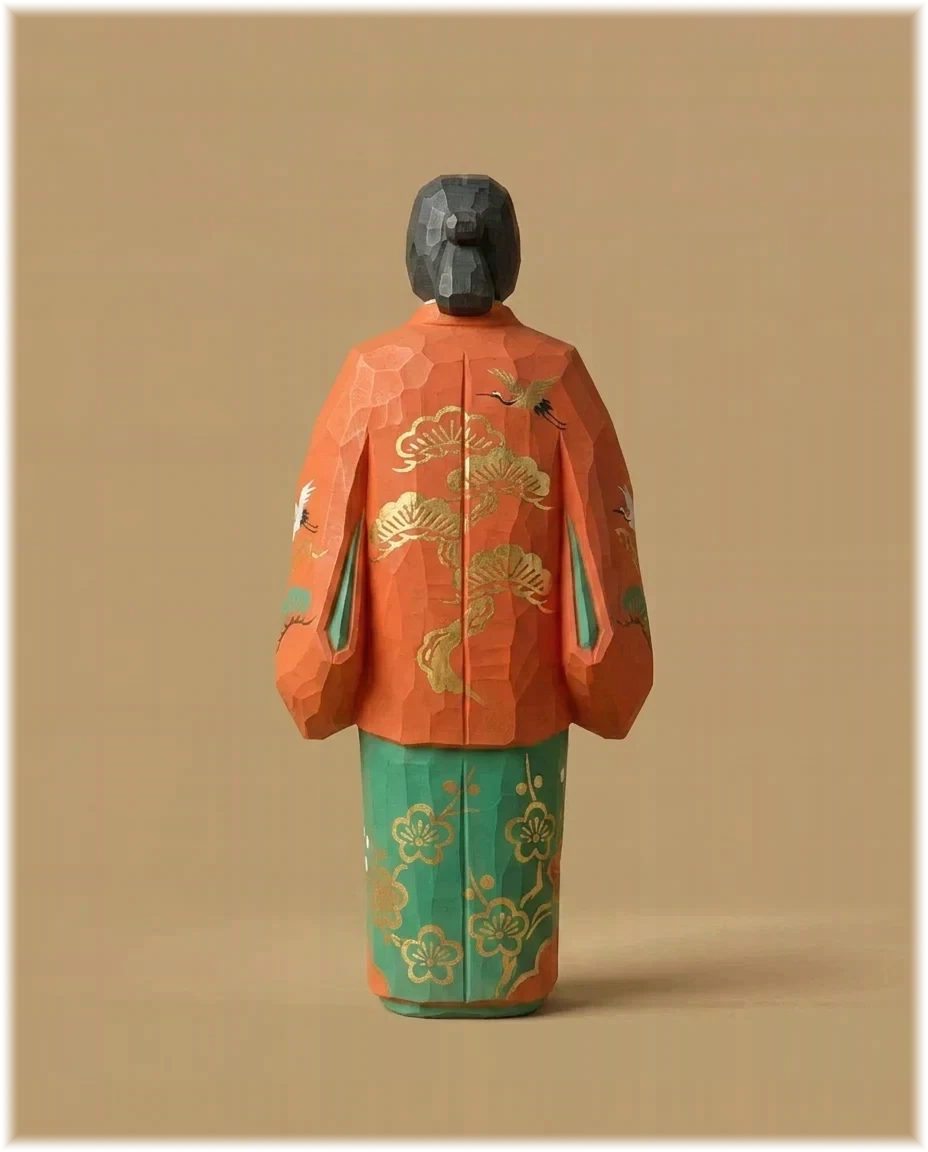
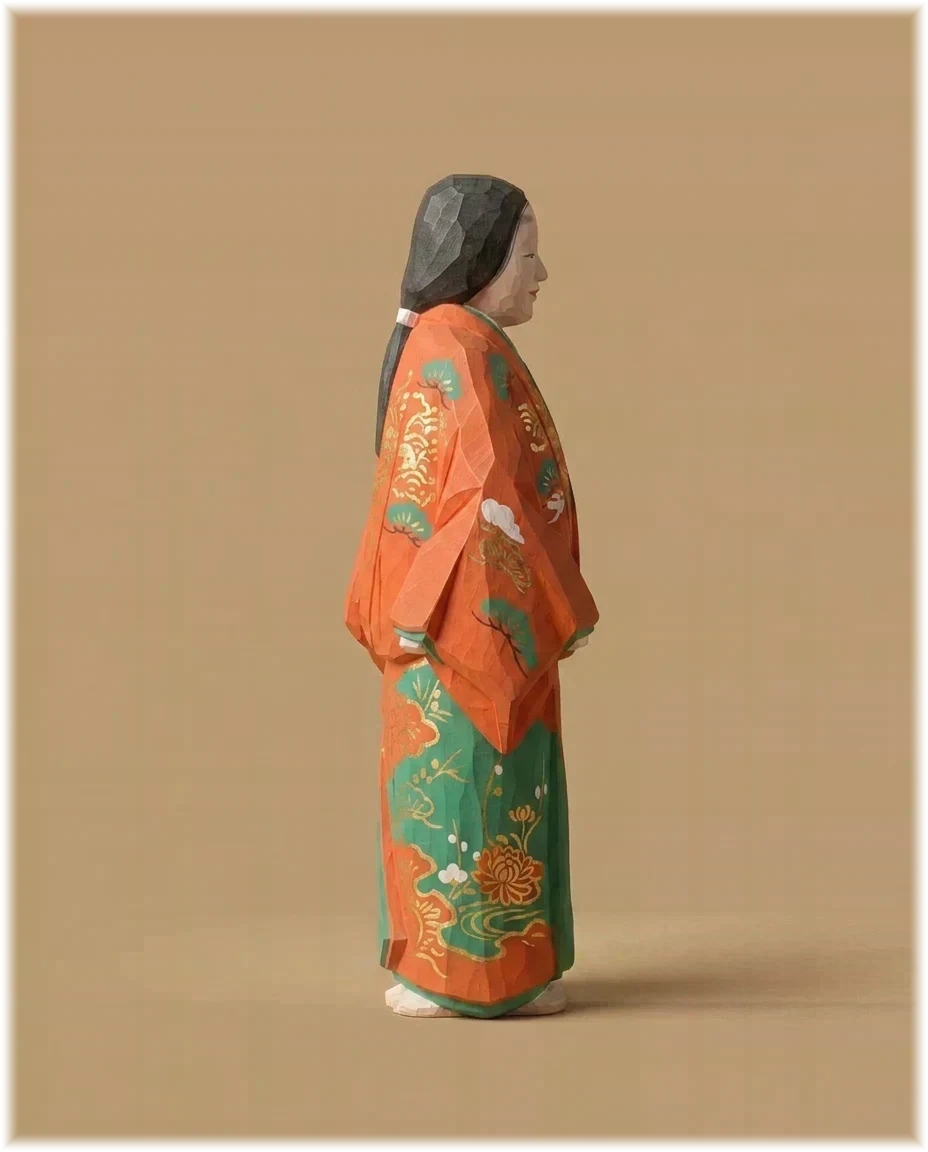
Wood keeps what the hand did to it. A cut in the wrong place cannot be glued back, so a carver reads the grain before the first stroke, and the grain decides more than you would think.

Swipe to the shelves →
一

The box that will not open

Hakone, in the hills west of Tokyo, makes boxes with no lid you can see. Panels slide a few millimetres, in a set order, and only then does the drawer come free. Some take four moves. Some take dozens.

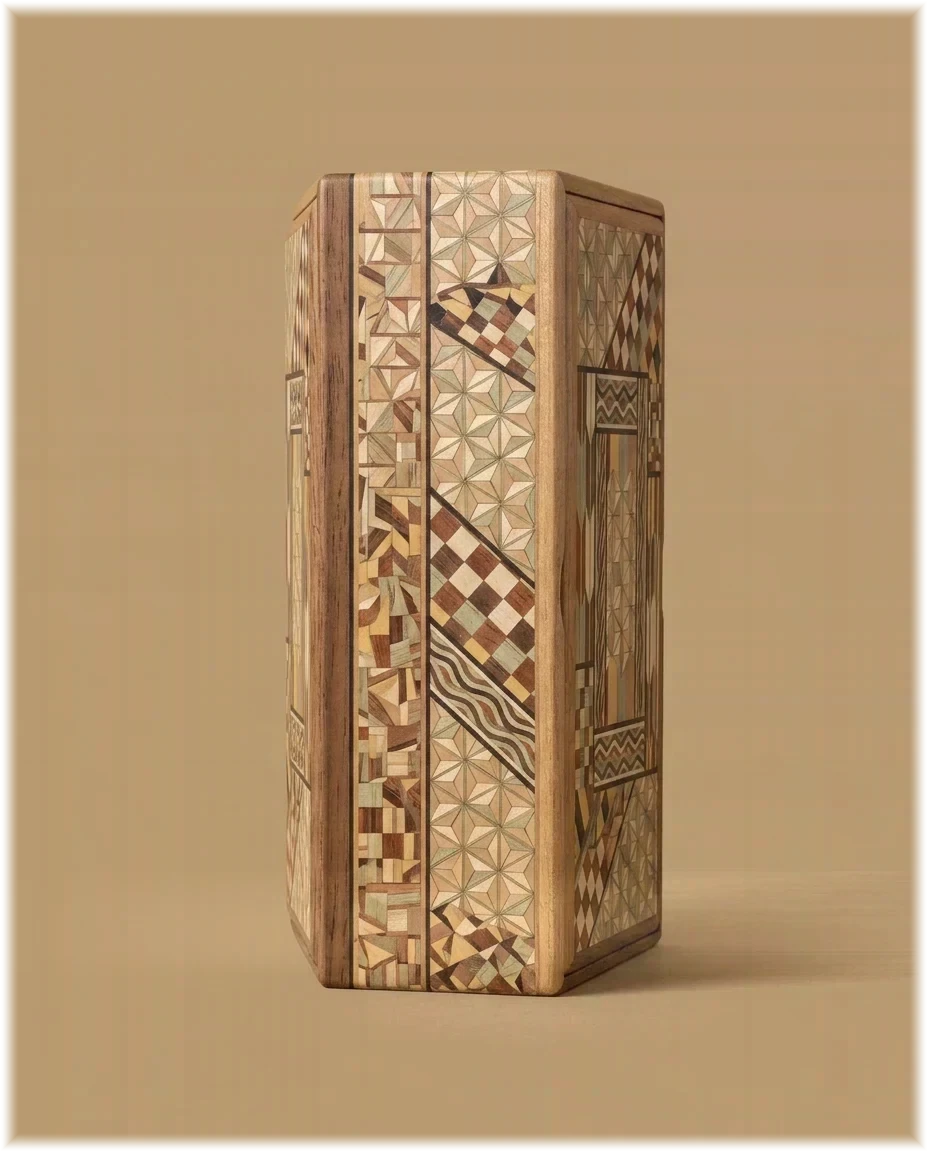
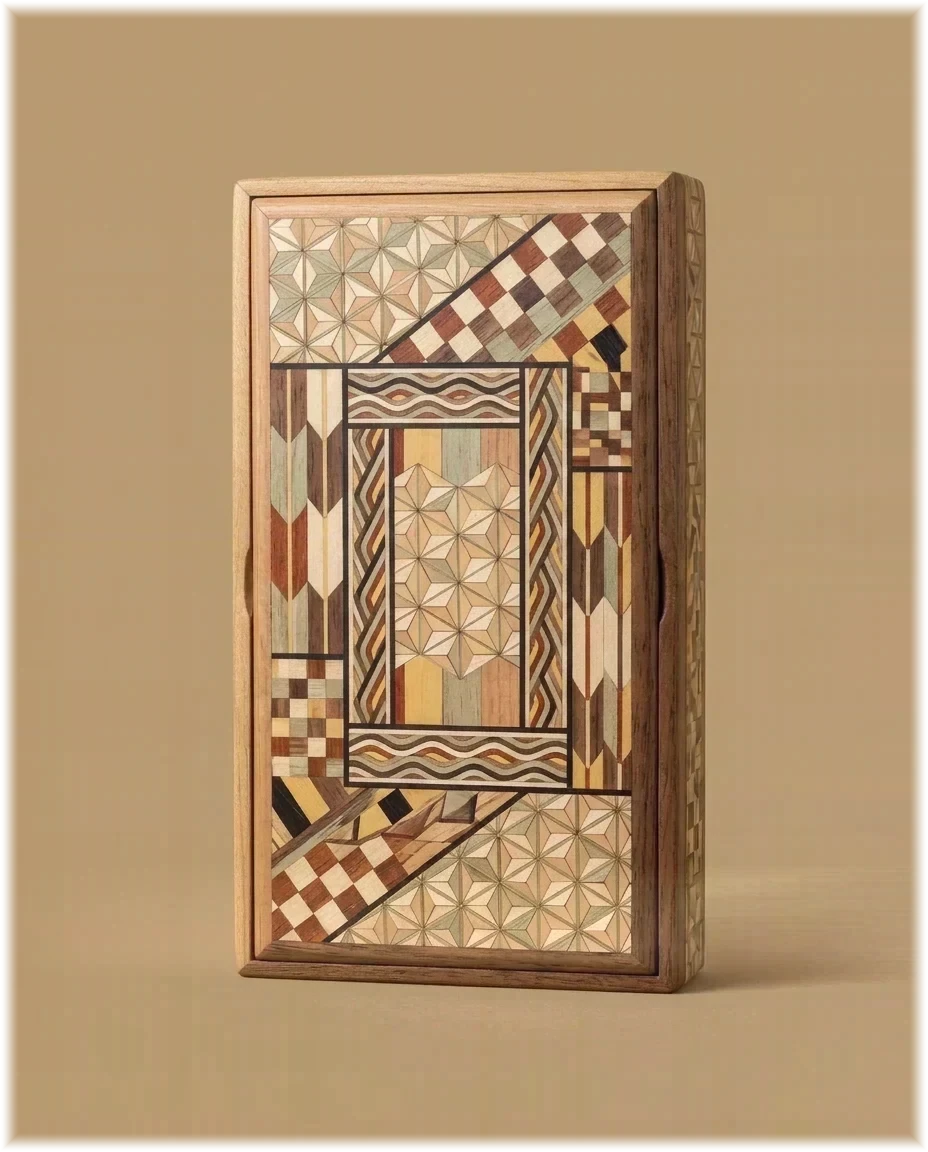
Their skin is yosegi, a mosaic made without paint. Sticks of pale and dark woods are glued into a block, and the pattern is shaved off the end in sheets as thin as paper. The colours are the colours of the trees.

二

A winter job

In 1922 Tokugawa Yoshichika, who ran a farm at Yakumo in Hokkaido, was in Bern and saw carved bears that Swiss farmers made in the winter and sold. He brought some home and asked the farmers who worked his land to try. The first of their bears were shown in 1924.

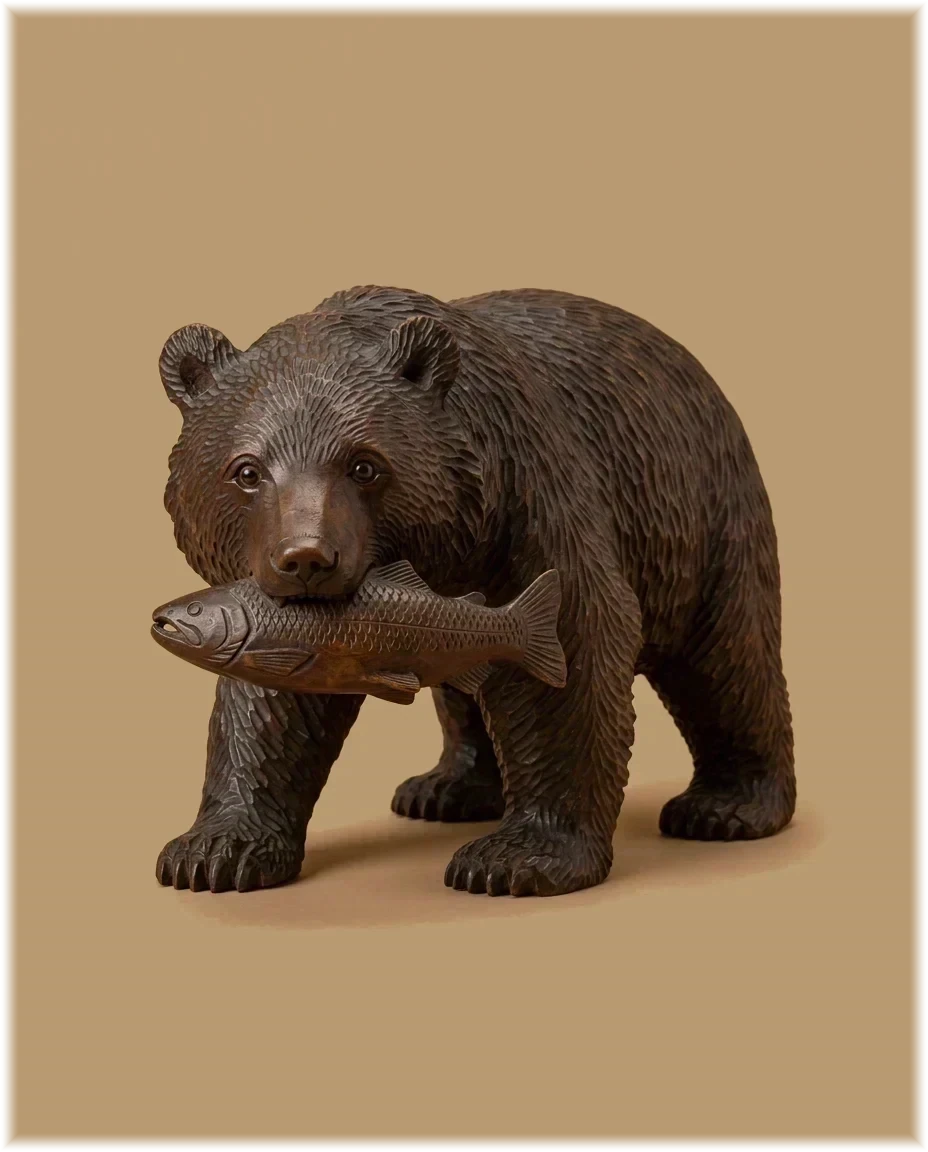
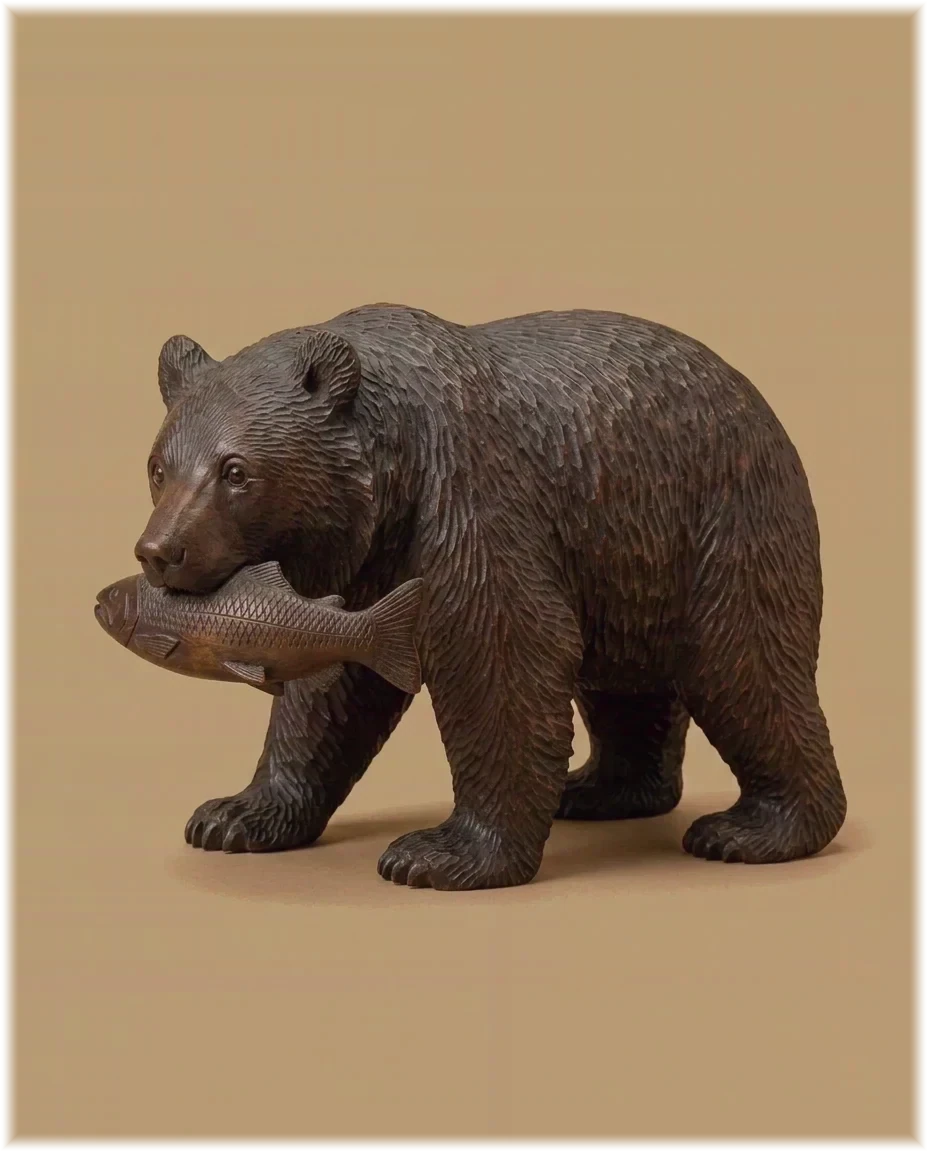
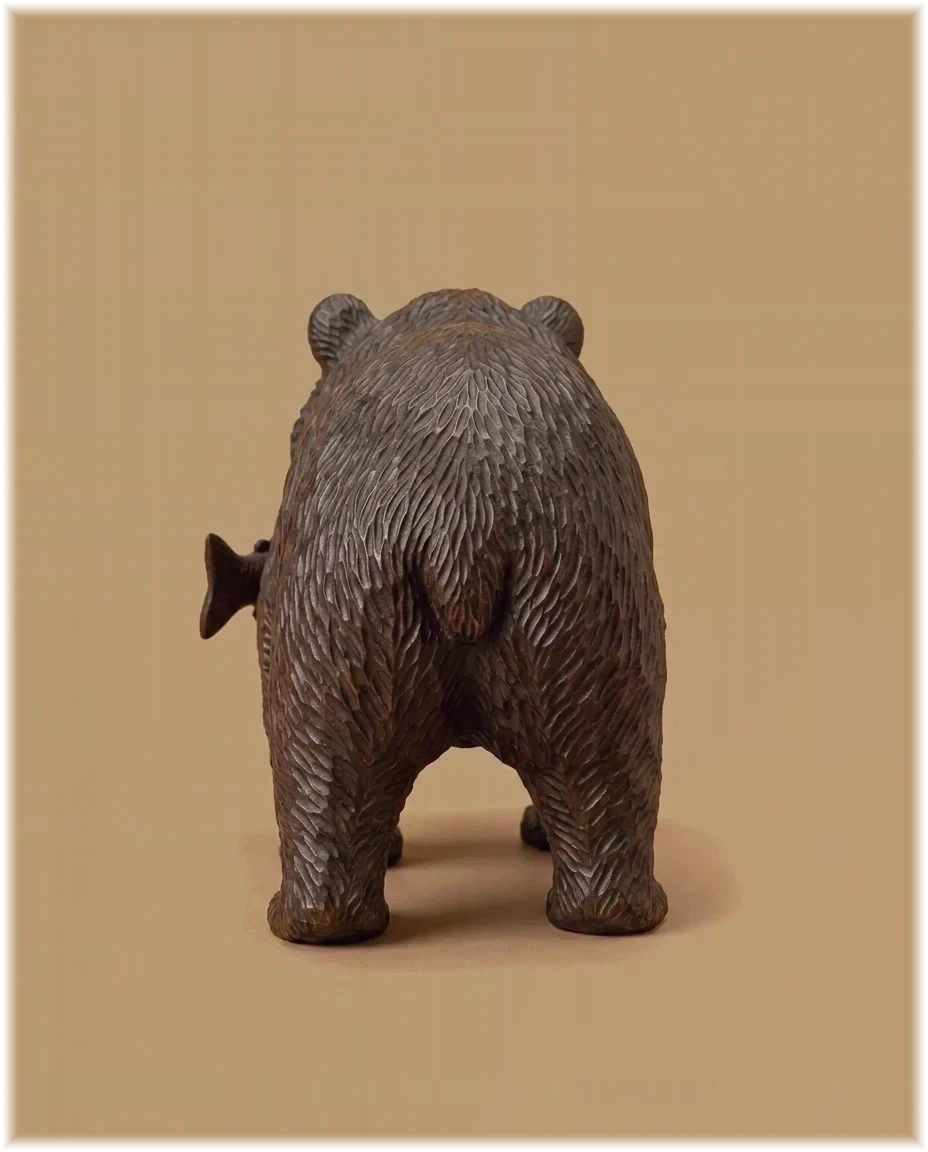
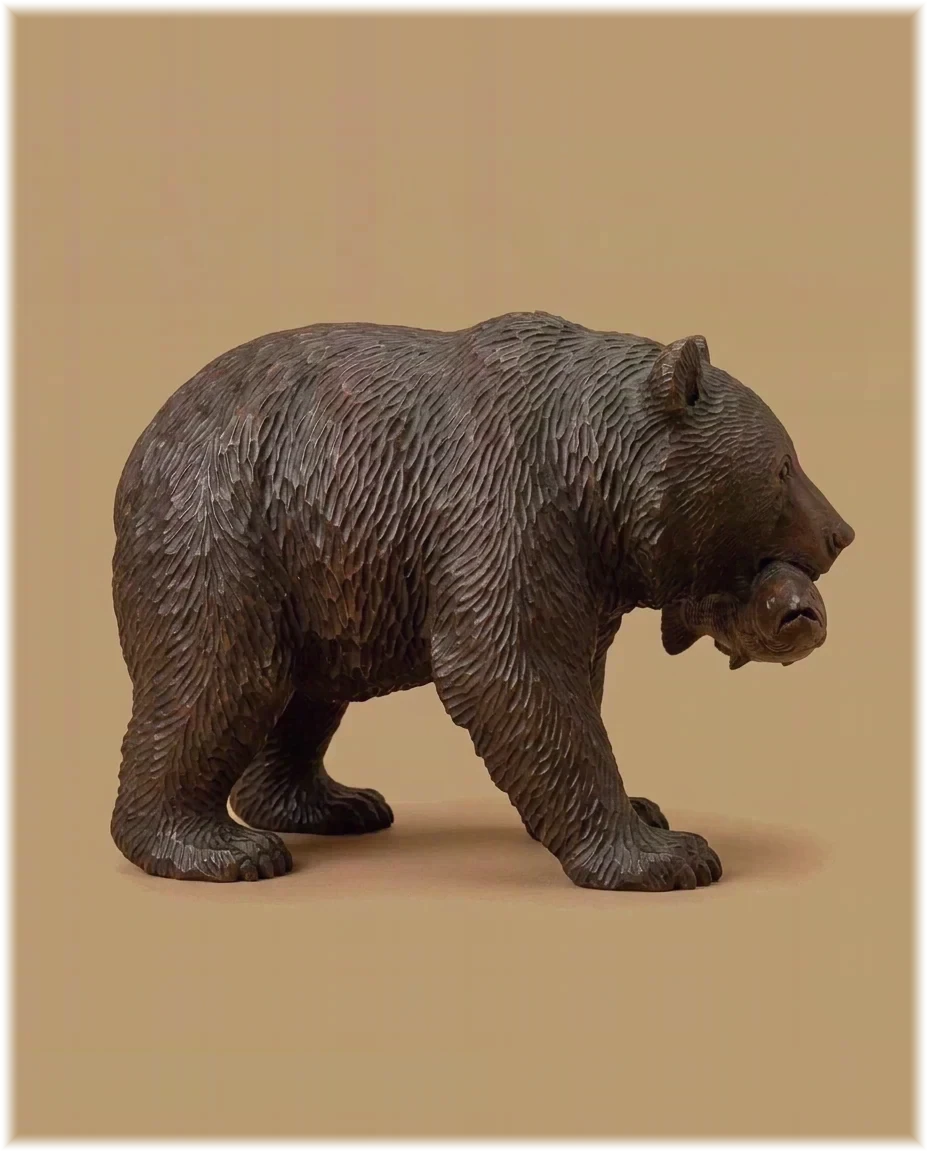
The bear with a salmon in its jaws became the one everyone knows. Its fur is cut stroke by stroke with a chisel, in the months when there was nothing to do in the fields.

三

Turned in the hot-spring towns

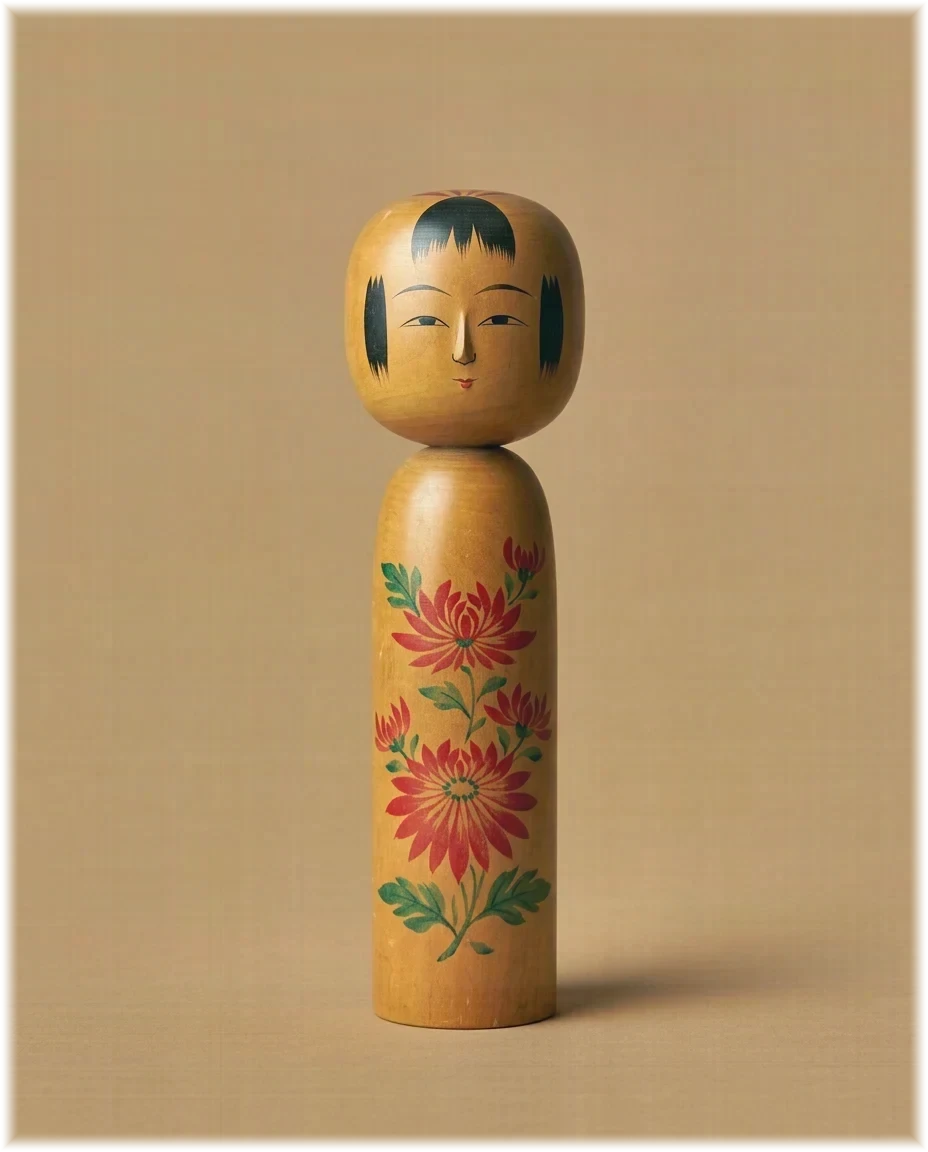
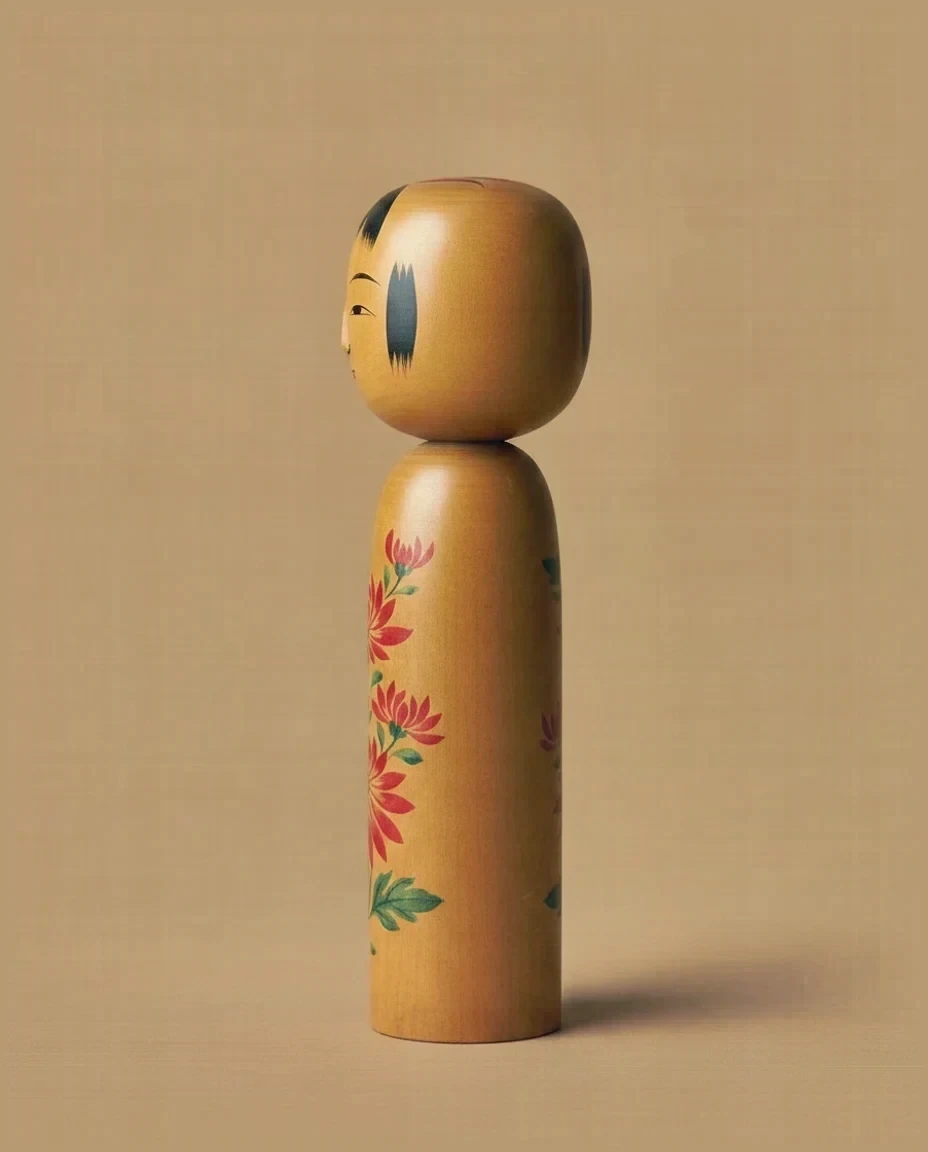
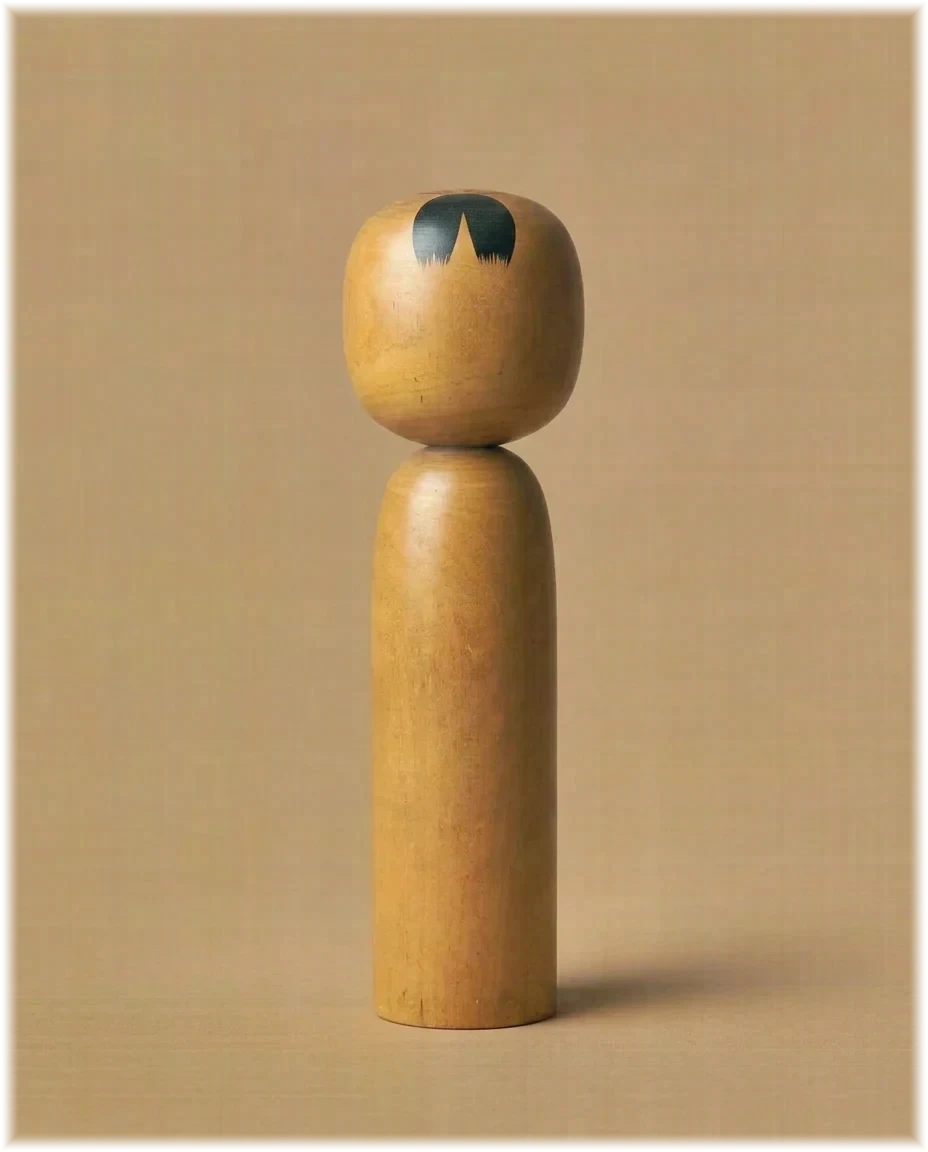
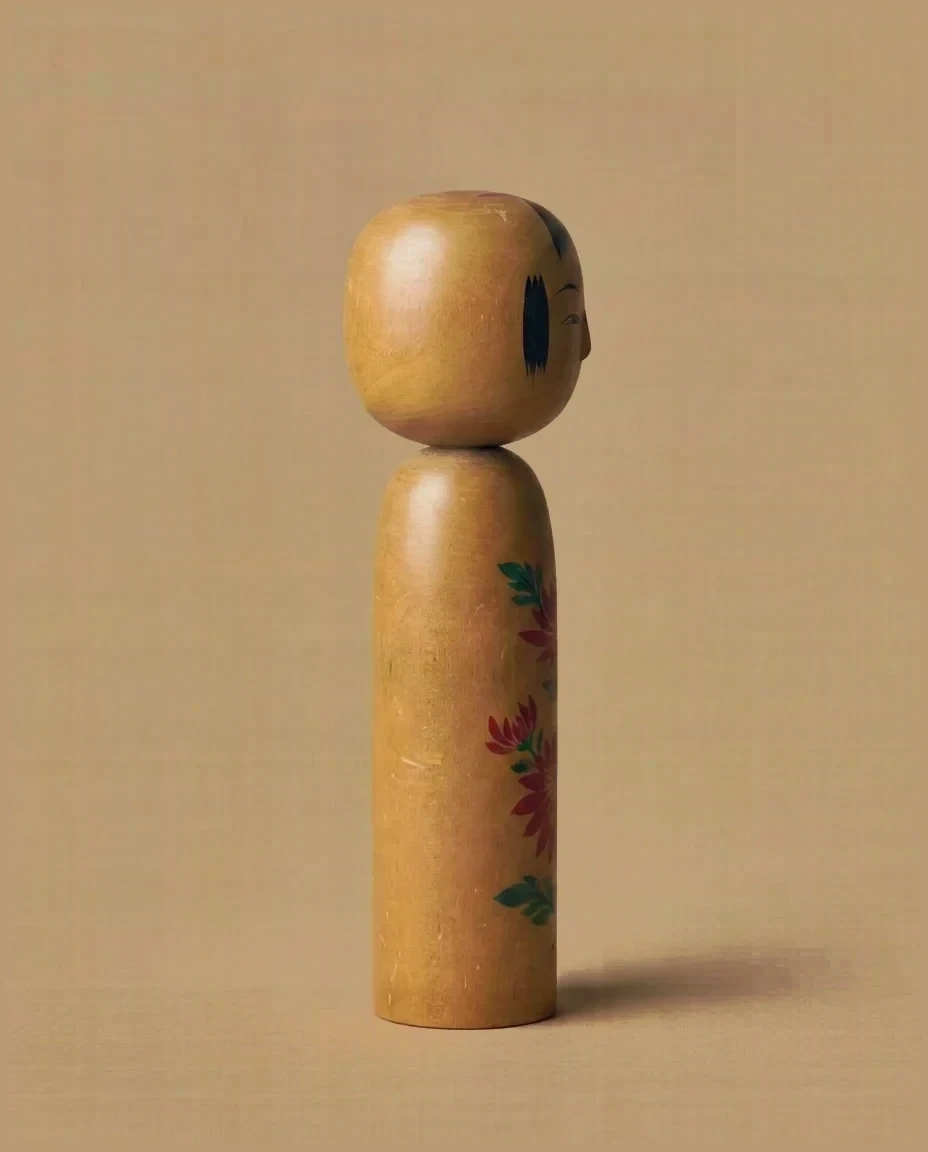
Kokeshi come from the hot-spring towns of north-eastern Japan. Woodturners who made bowls and trays for the inns began turning plain dolls, for children and for the people who came to bathe.

Each town kept its own shape and its own painted face, and a practised eye can name the town from across a room. In Naruko the head is fitted so tightly that it squeaks when you turn it.

Kokeshi, carved bears, marquetry boxes and festival masks — one block, no joins.
03三

Wood

One block. No joins. Misjudge the grain and the day is over.
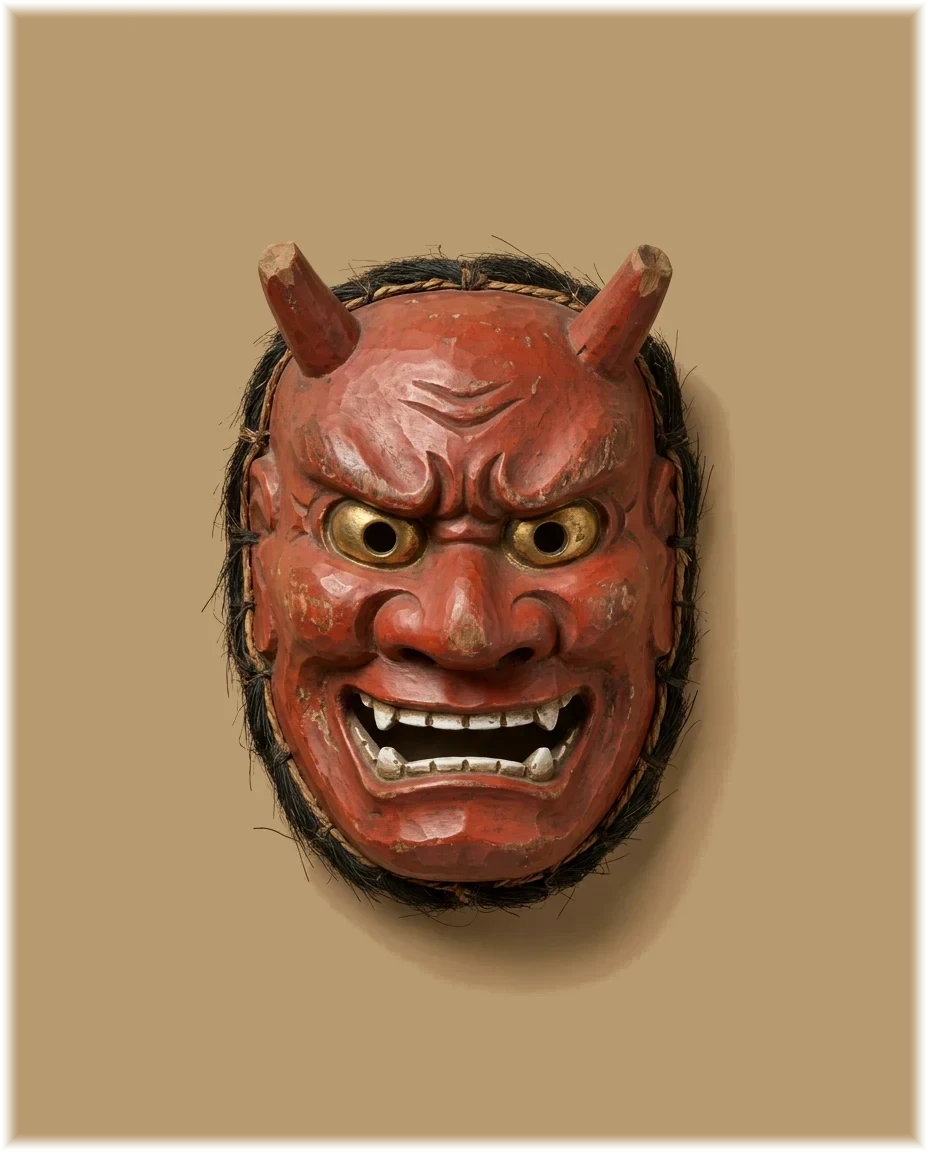
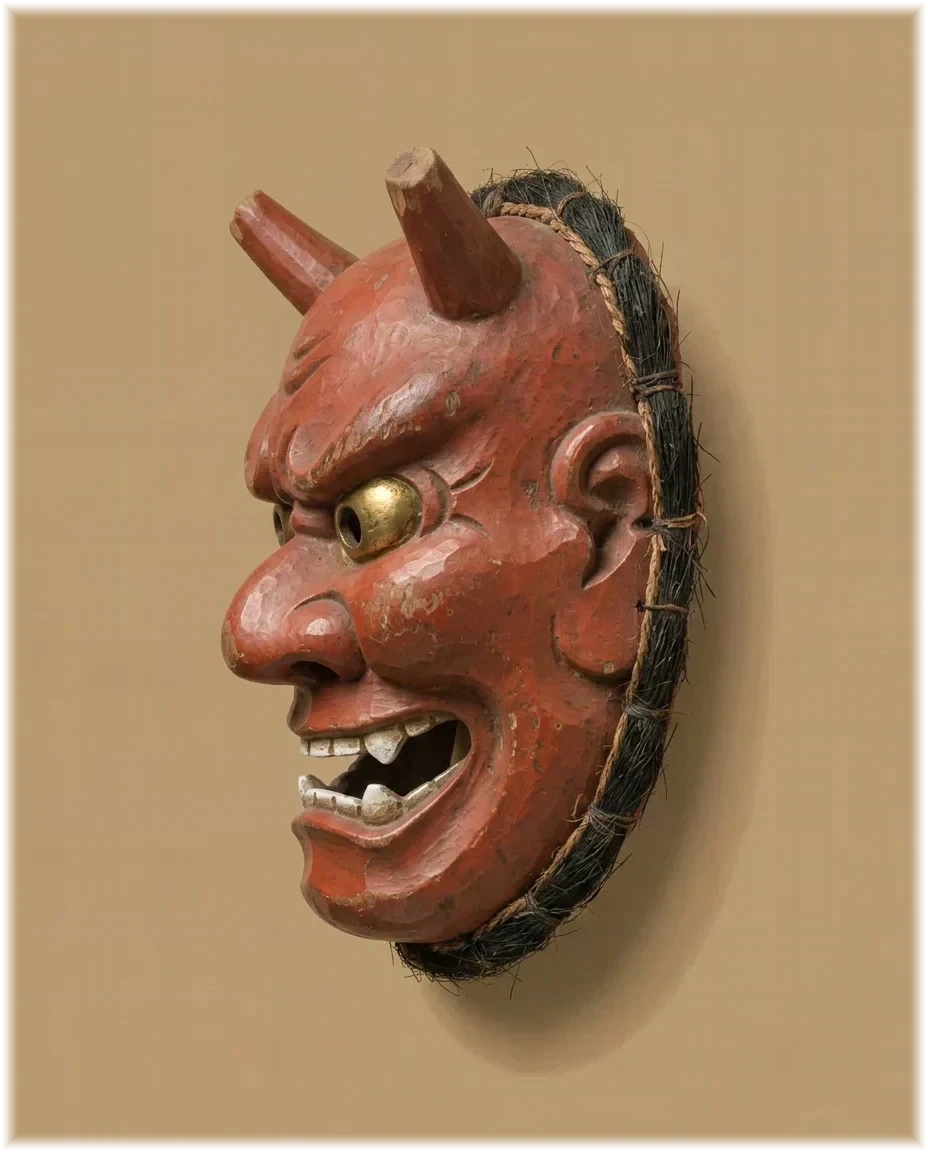
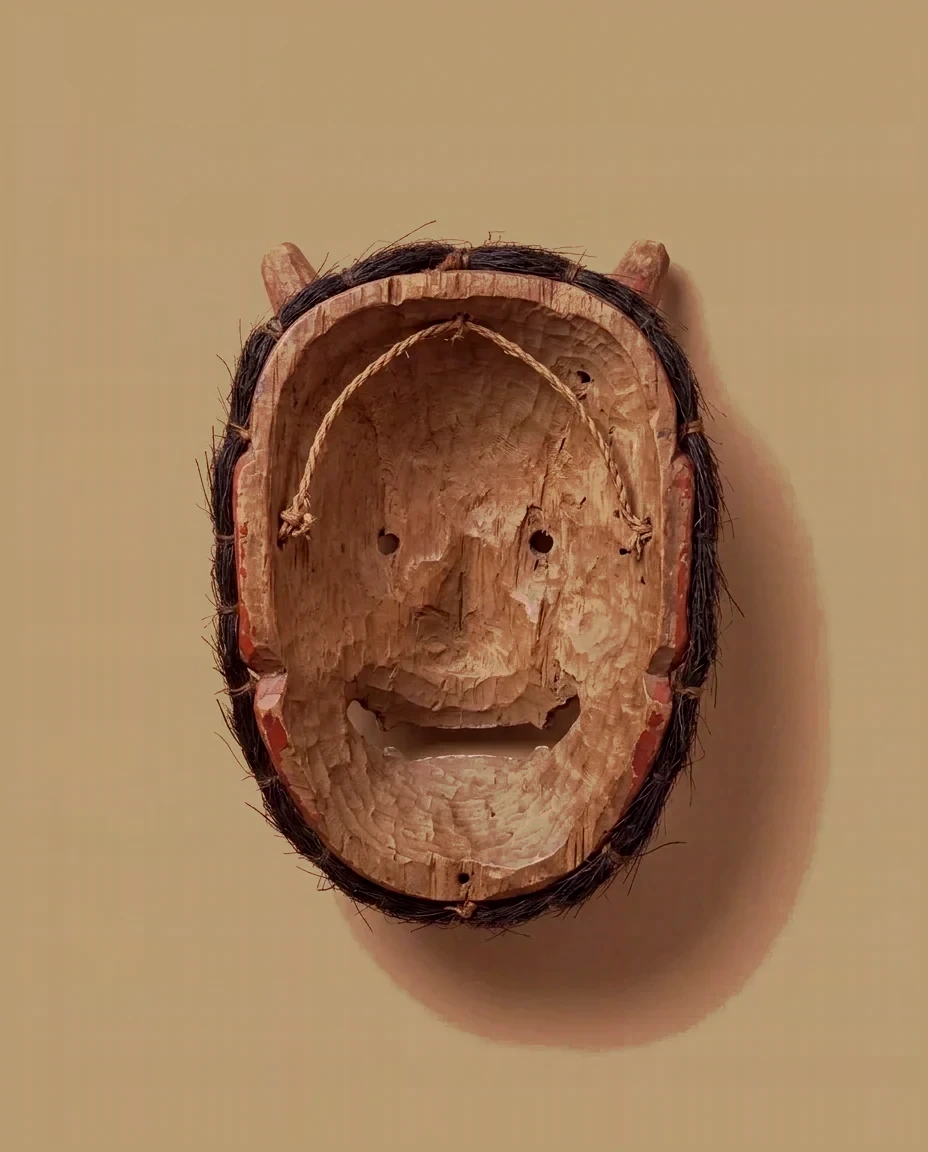
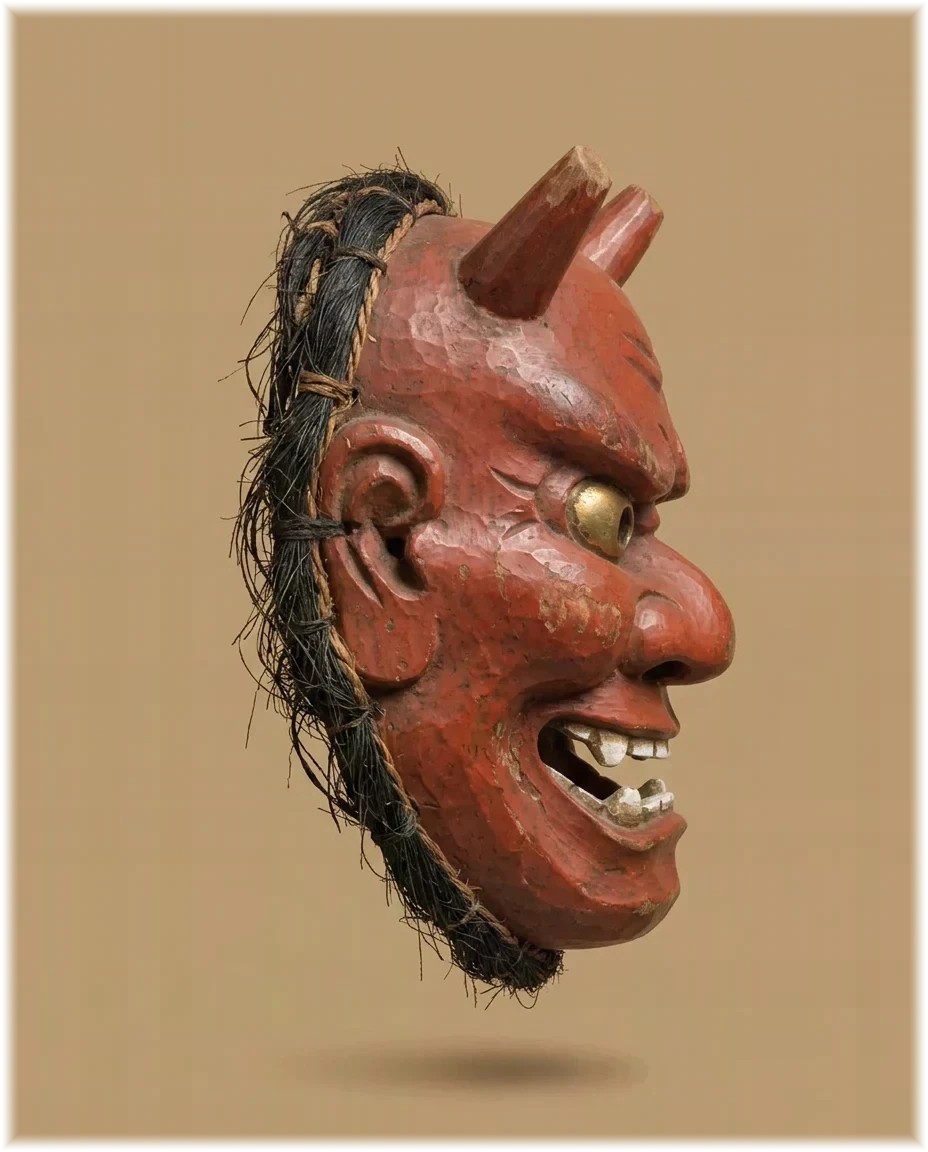
Namahage mask
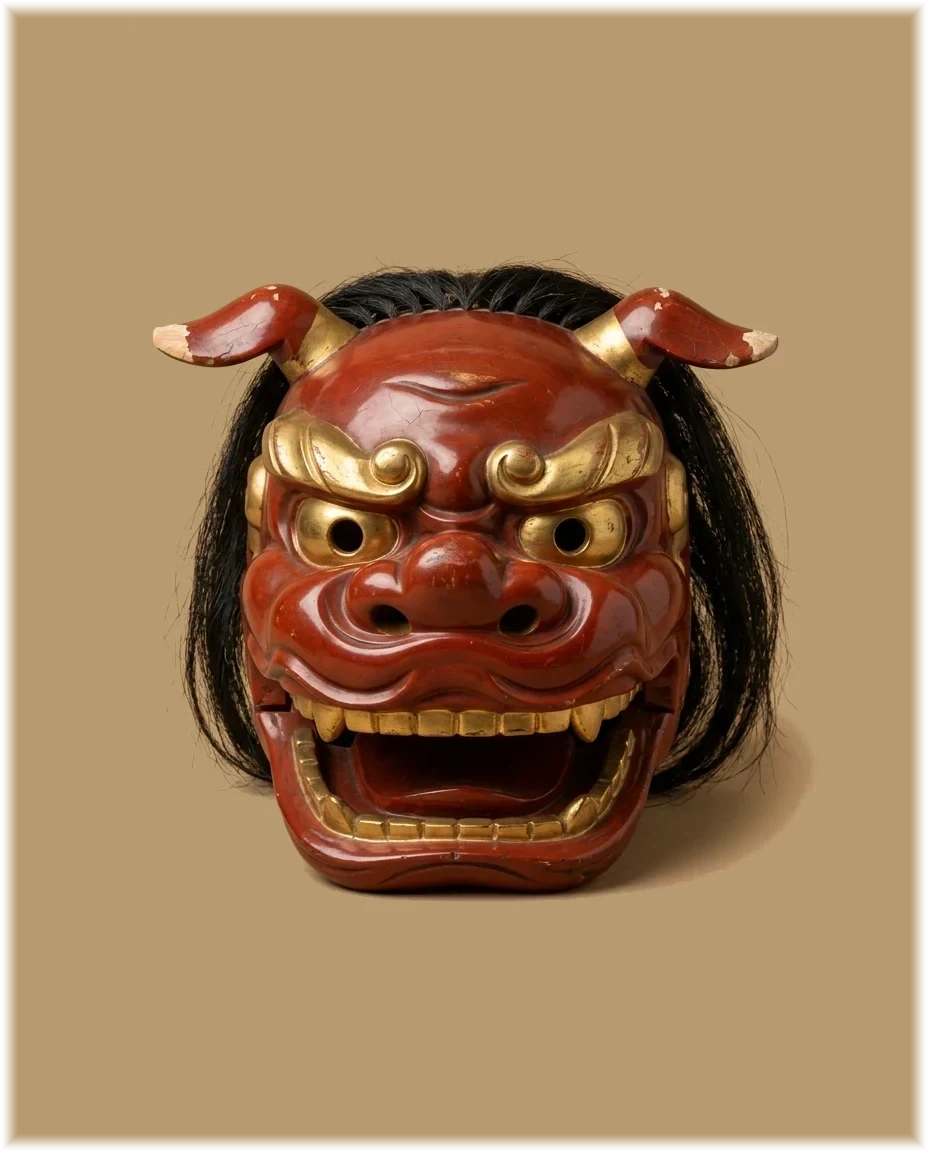
なまはげ面Namahage maskOga, AkitaOn the shelf · $109 →
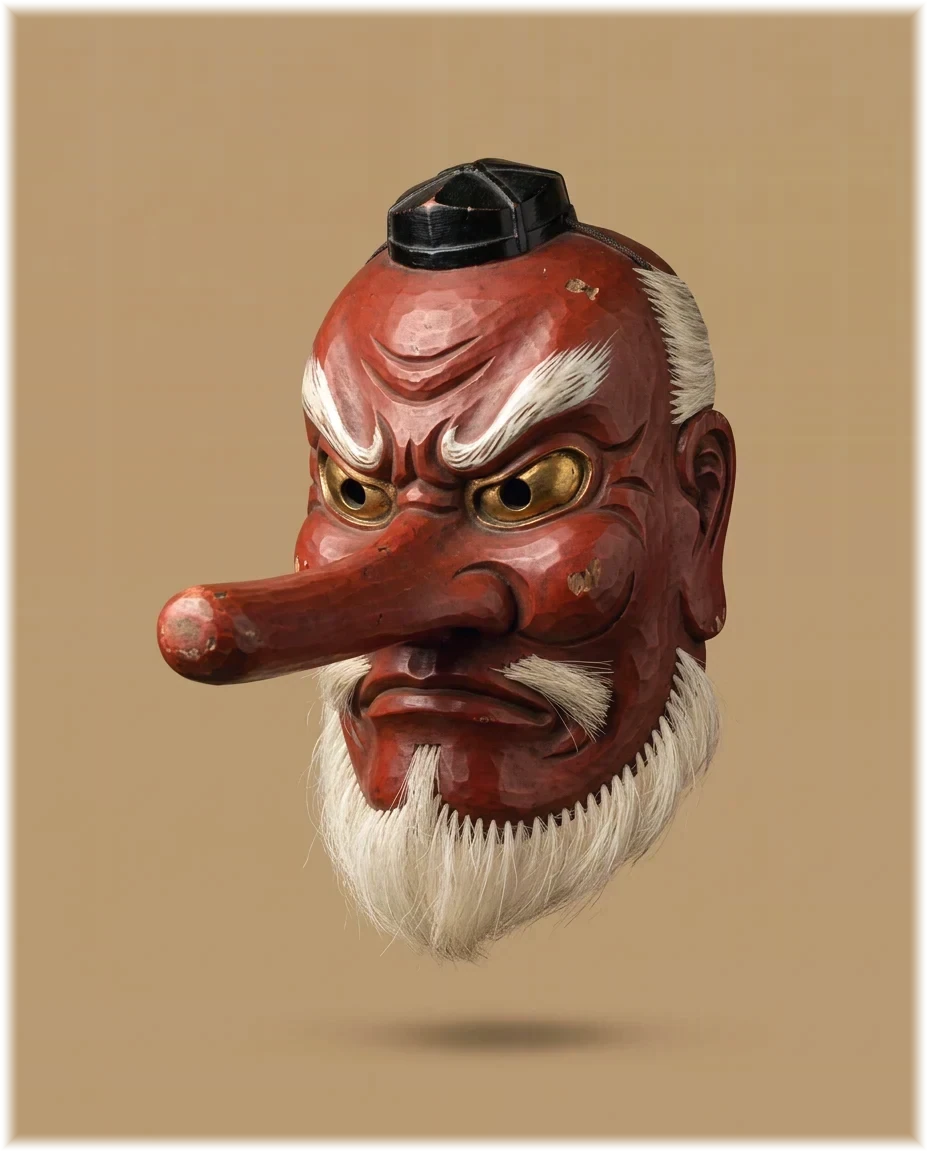
Tengu mask
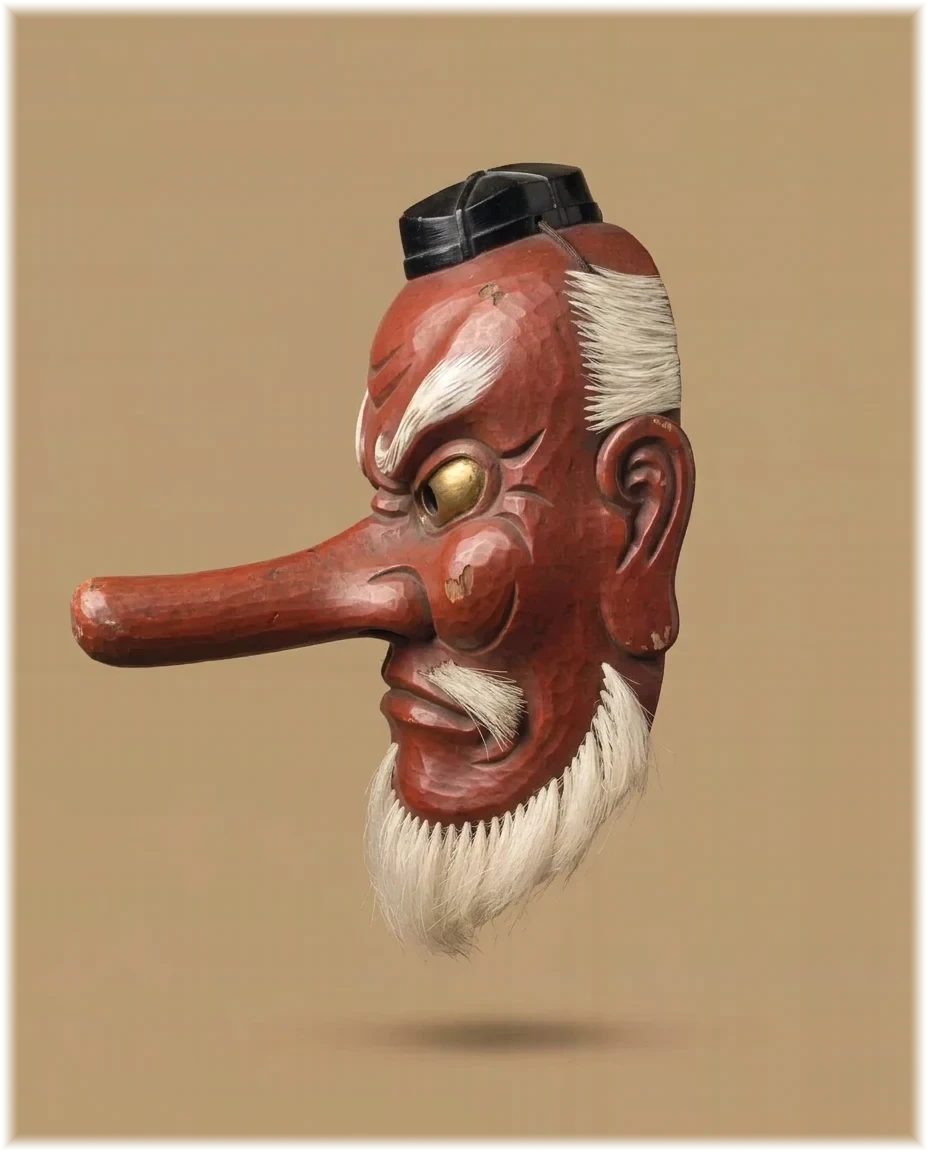
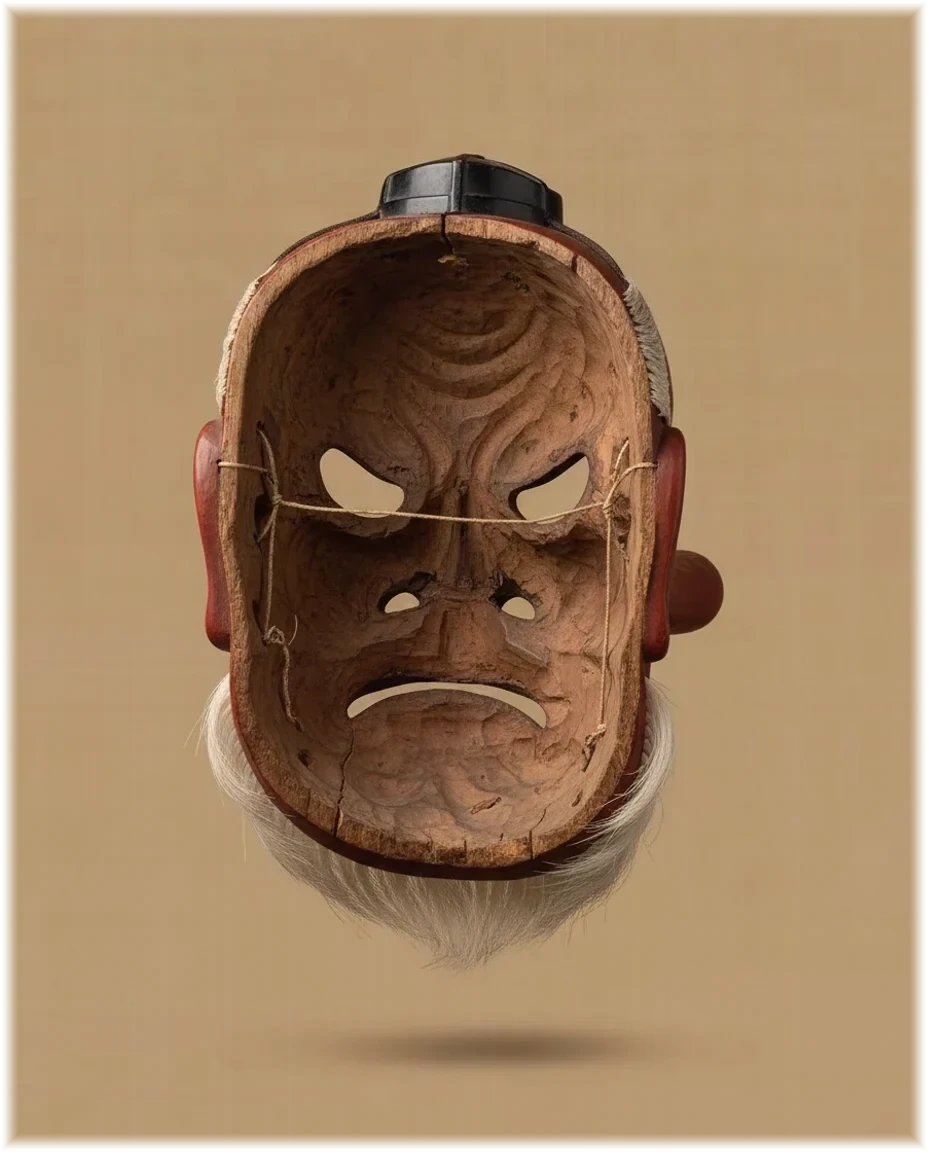
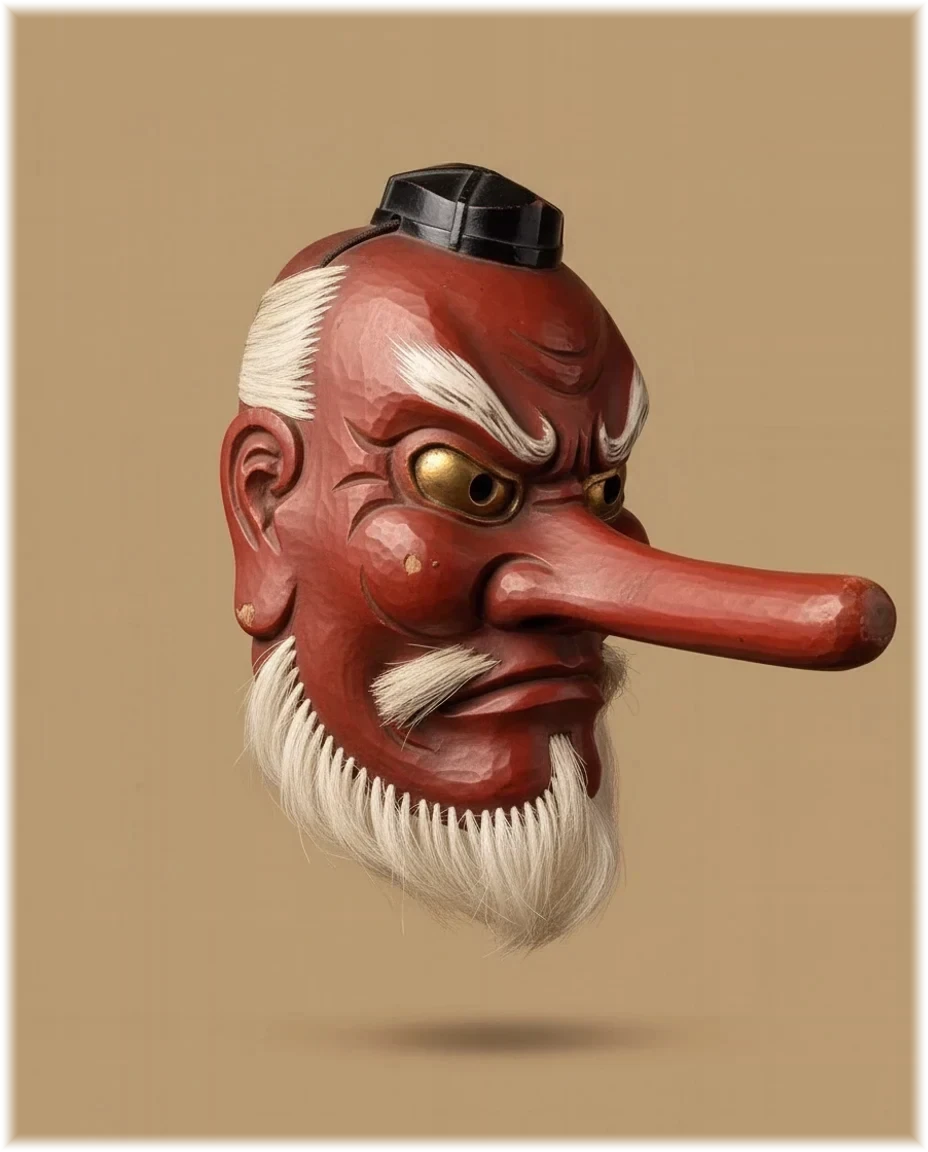
天狗面Tengu maskMount Kurama, Kyoto · Mount Takao, TokyoOn the shelf · $139 →
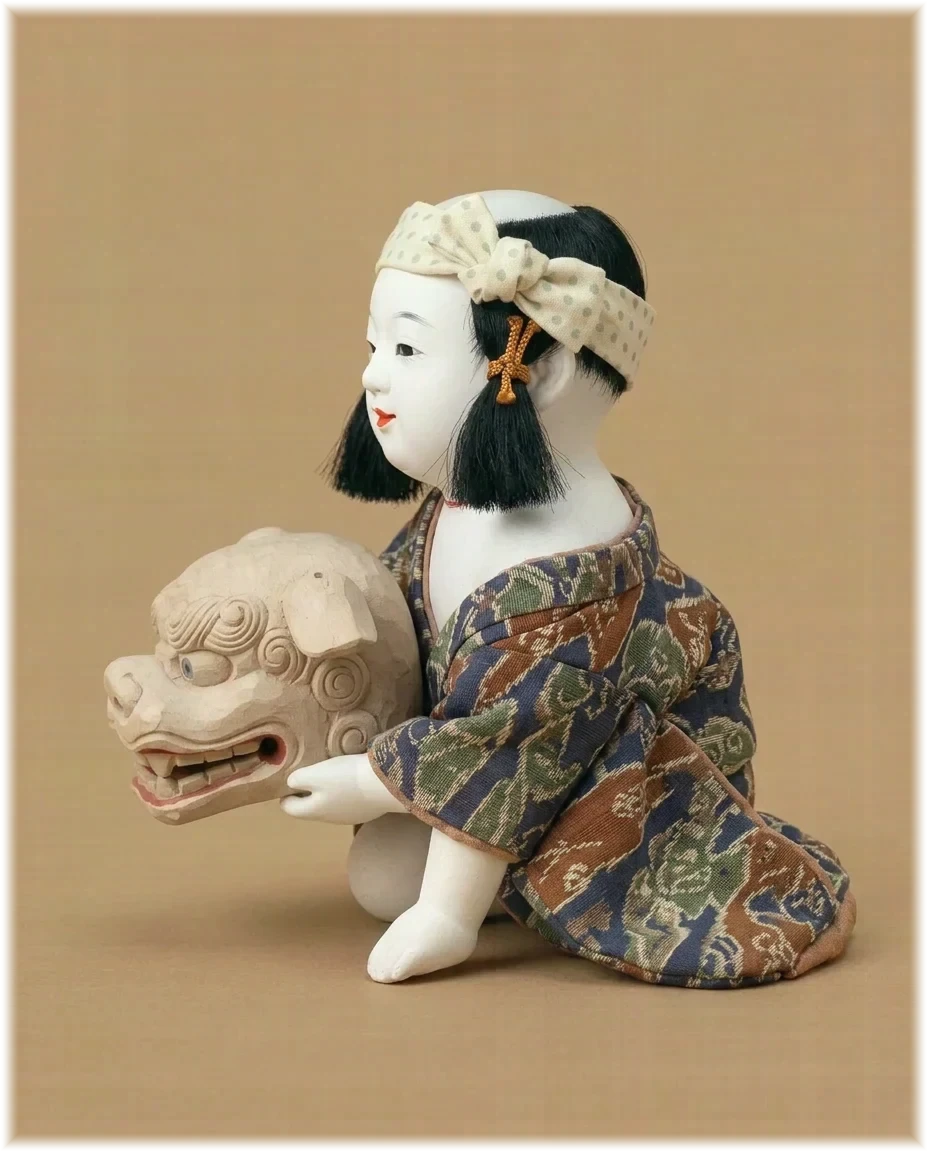
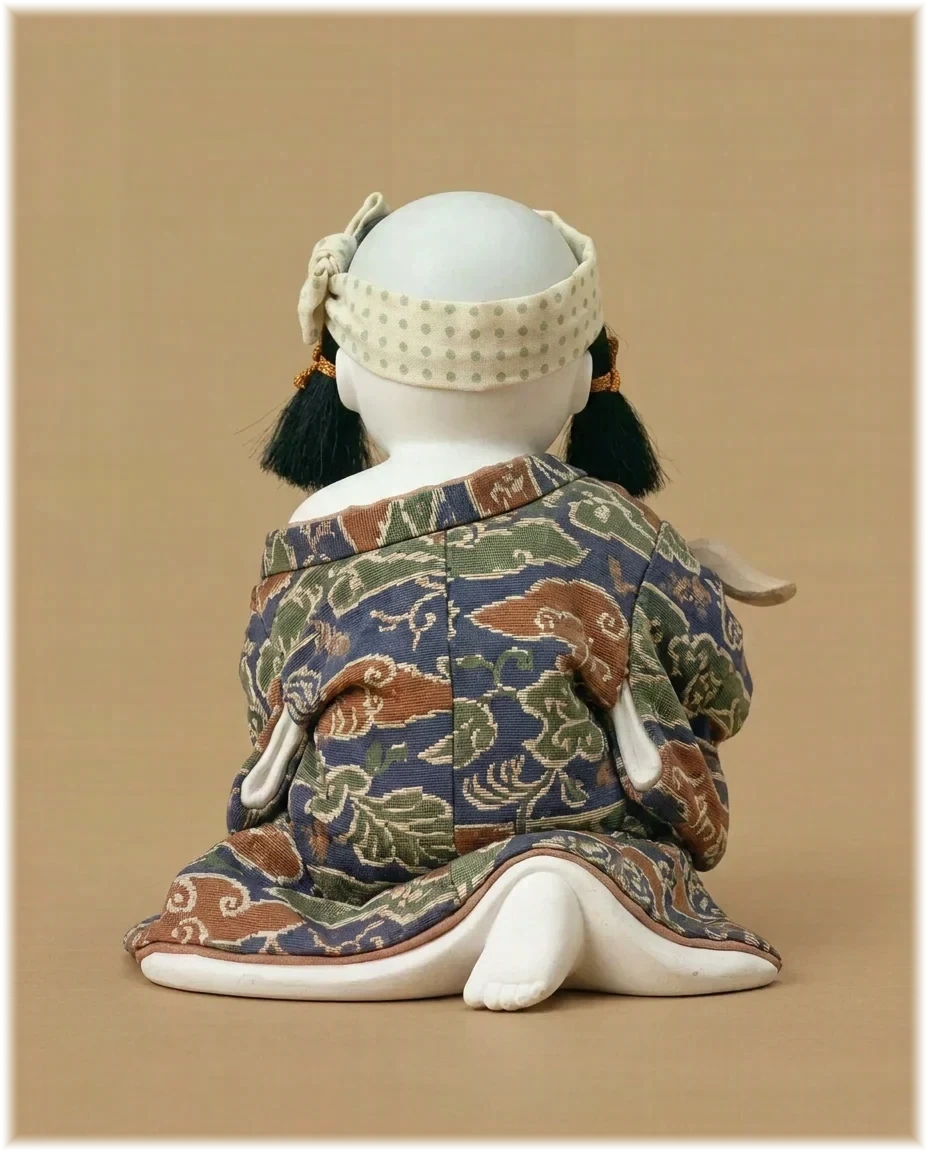
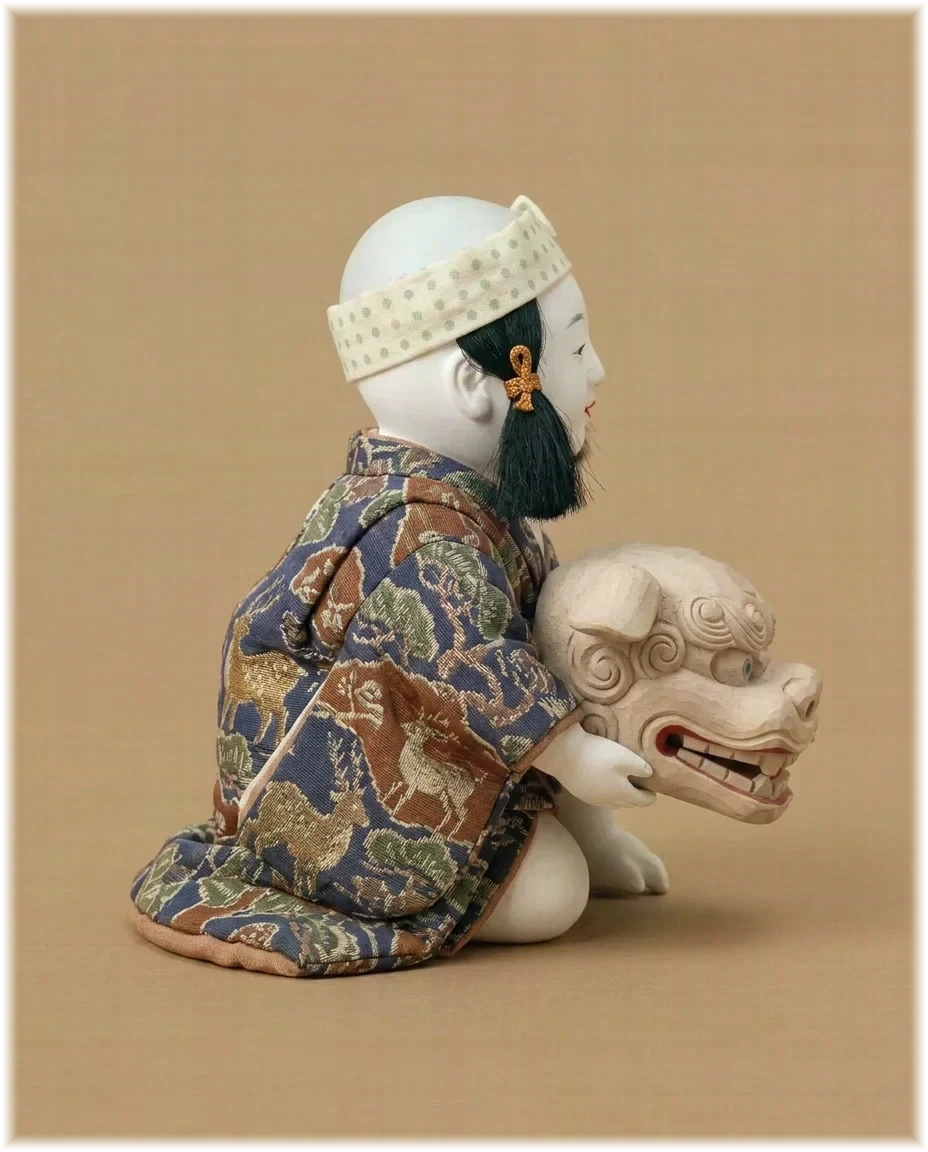
Lion head
獅子頭Lion headInami, Toyama
Carved bear
木彫り熊Carved bearYakumo, Hokkaidō
Kaga dolls
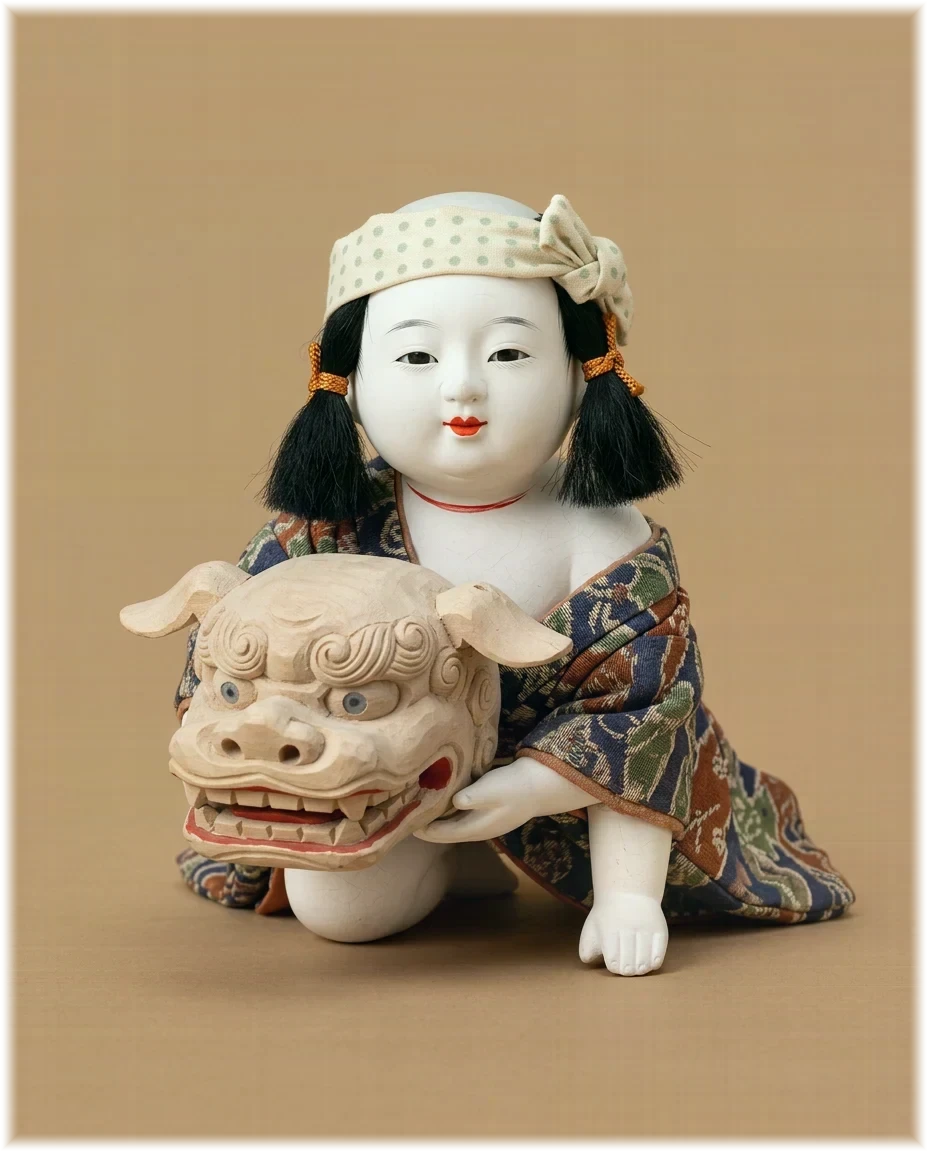
加賀人形Kaga dollsKanazawa, Ishikawa
Kokeshi
こけしKokeshiNaruko, Miyagi
Nara ittōbori
一刀彫Nara ittōboriNara
Netsuke
根付NetsukeKyoto, Osaka and Edo
Ranma
欄間RanmaInami, Toyama
Hakone marquetry
寄木細工Hakone marquetryHatajuku, Hakone, Kanagawa
What this house actually does

Ask us to look

Tell us what you are after. We live in the country where these things are, and we will go and look for it.

  1. You describe itWhat you are after, roughly what you want to spend, and whether there is a date it matters by. Vague is fine — “a clay bell for the year my daughter was born” is enough to start.
  2. We go and lookMorning markets, dealers we know, auction houses, and families clearing an old house. Sometimes the thing turns up the same week. Sometimes it takes months. Sometimes it never turns up at all.
  3. You decidePhotographs in daylight, measurements, condition described plainly including the chips, and what it would cost delivered to your door. If it is not right, you say so and that is the end of it.
Ask us to look →

On the shelf now:Namahage mask · 2Tengu mask · 1

Next cabinet

Metal

One town has poured metal since 1611. The colour on its bronze is not paint. And the inside of an iron kettle should never be scrubbed.

Open the cabinet →

← All cabinets

Oga, Akita
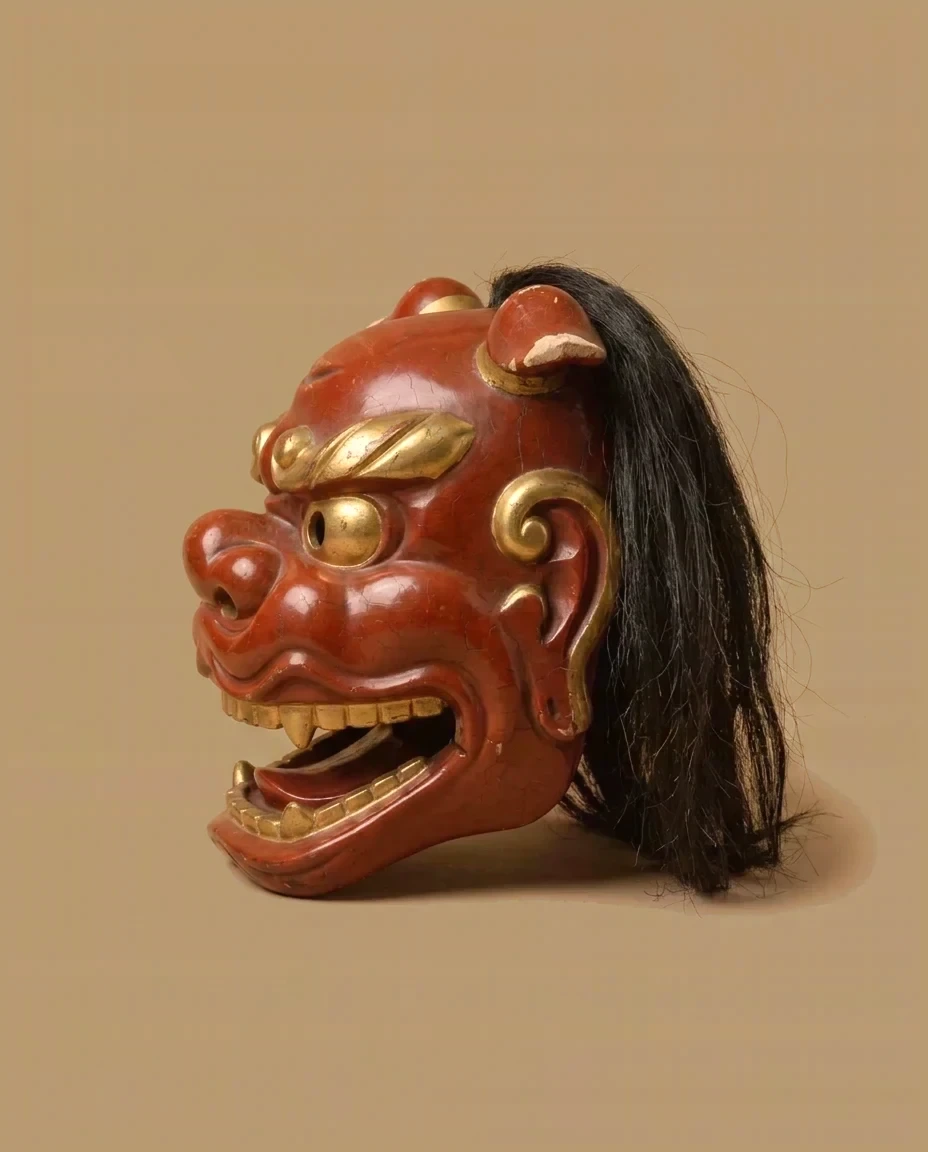
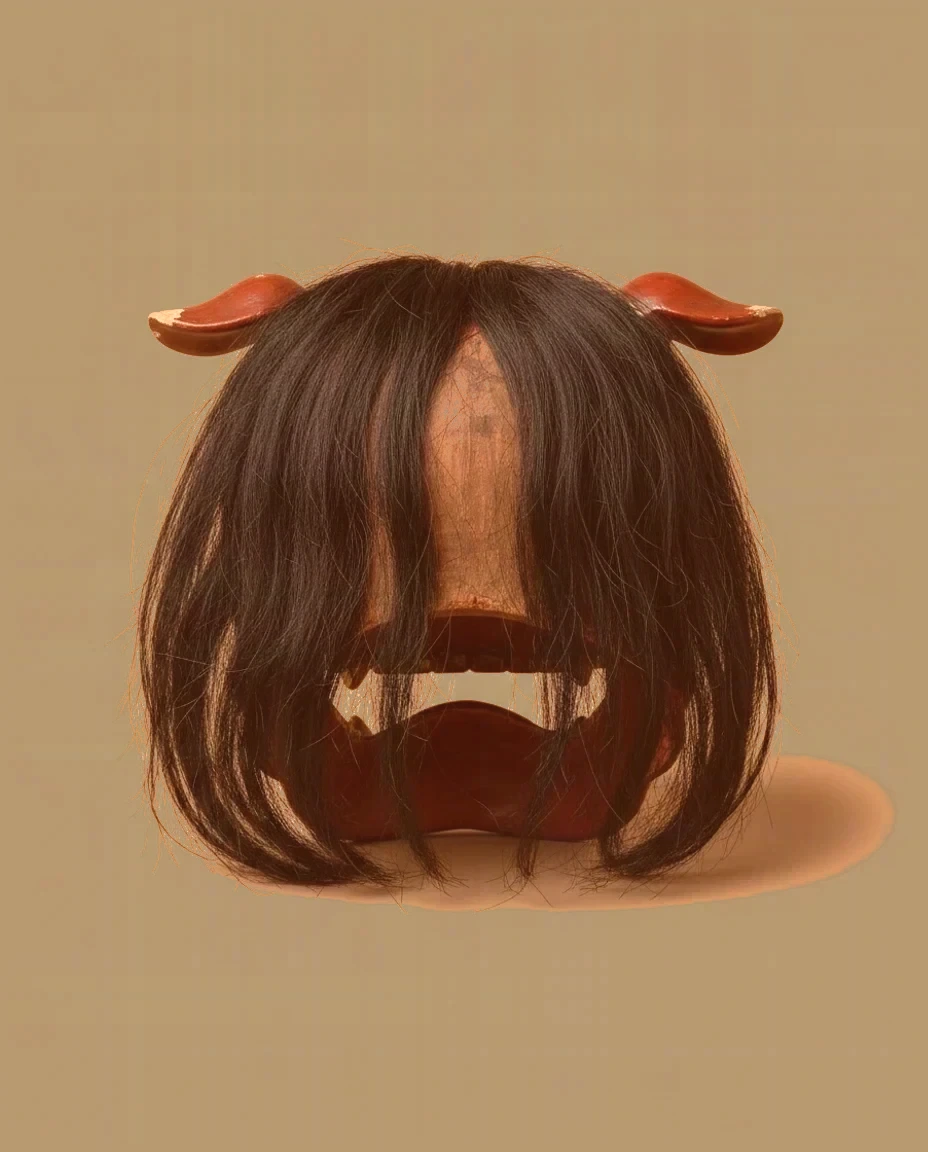
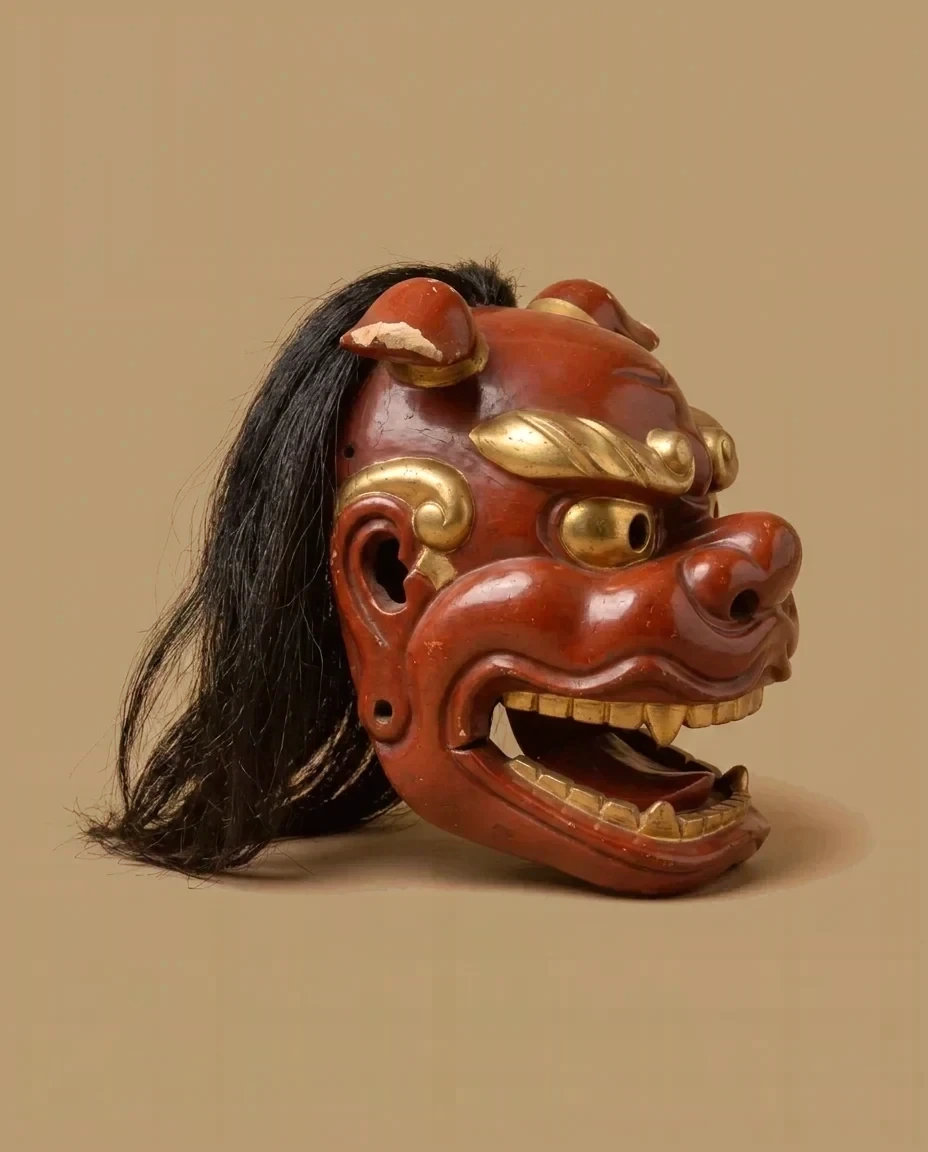
なまはげ面

Namahage mask

Oga, Akita · Recorded since 1811

Not a demon. A god who comes down the mountain once a year to check on you.

On the shelf · $109 →

On the last night of the year, on the Oga peninsula in Akita, young men put on these masks and capes of rice straw and go from house to house through the snow. They stamp, they shout — "Are there any crying children? Any idlers?" — and the children of the house are genuinely frightened.

At the maker's bench
Front
Left
Back
Right
Read the full account →
Mount Kurama, Kyoto · Mount Takao, Tokyo
天狗面

Tengu mask

Mount Kurama, Kyoto · Mount Takao, Tokyo · Named in the Nihon Shoki (compiled 720)

In Japan, a long nose isn't for liars. It's for the proud.

On the shelf · $139 →

A tengu is a mountain spirit: a red face, wings, and a nose that keeps growing. The word is still used for people, not only for monsters. When someone's pride gets out of hand, the Japanese say he has become a tengu: tengu ni naru.

At the maker's bench
Front
Left
Back
Right
Read the full account →
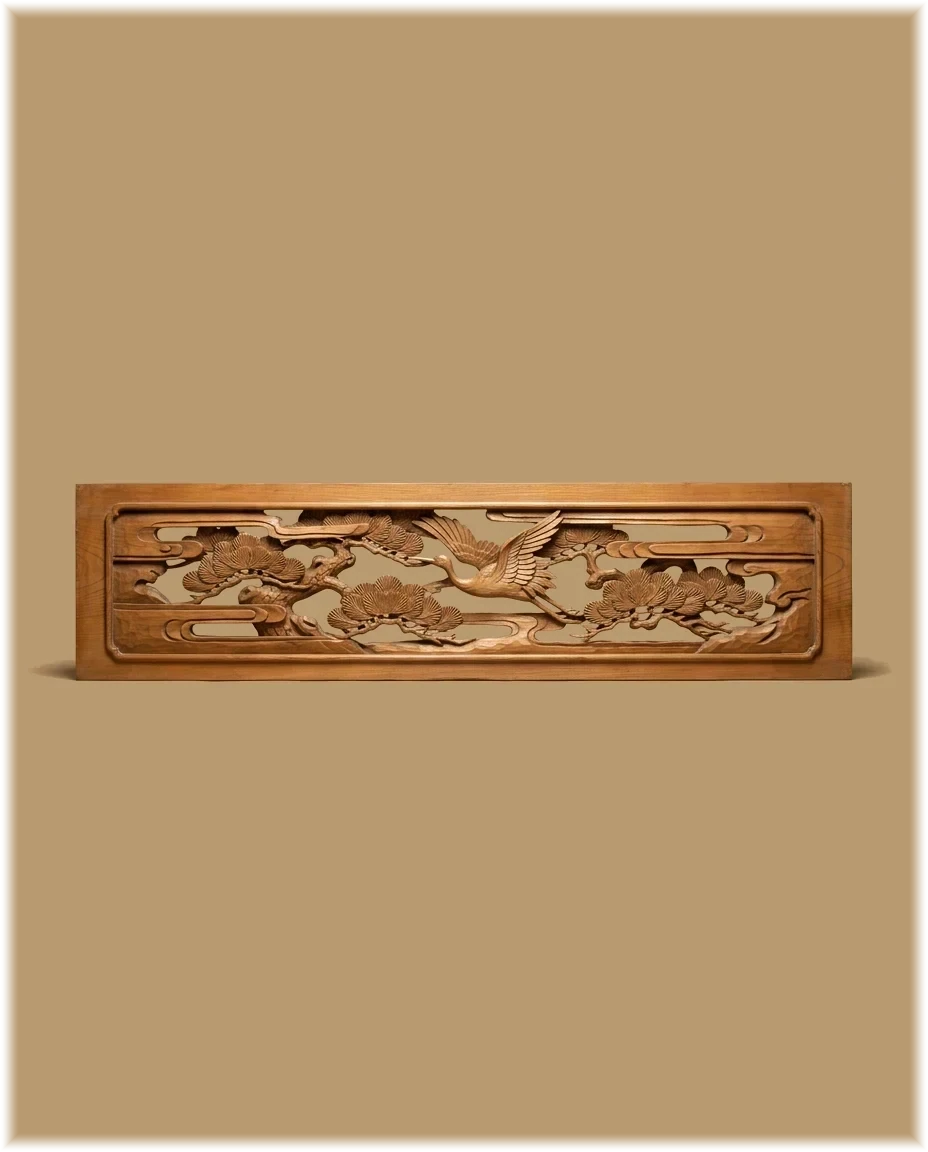
Inami, Toyama
獅子頭

Lion head

Inami, Toyama · The dance recorded from the 7th century

It bites people on the head. Being bitten is the good part.

At New Year and at festivals the lion comes down the street with two men inside it — one holding the head, one bent under the cloth behind — and it stops in front of people and bites them on the head. Children are pushed forward into it, screaming, by parents who are laughing. The bite is the blessing: the lion eats your misfortune. It is also said to make a child clever, and to cure a headache, and both of those are said with a straight face.

At the maker's bench
Front
Left
Back
Right
Read the full account →
Yakumo, Hokkaidō
木彫り熊

Carved bear

Yakumo, Hokkaidō · Since 1924

Hokkaidō's most famous carving was copied from a Swiss souvenir.

In 1924 Tokugawa Yoshichika came back from Europe with a carved wooden bear he had bought in Berne, and showed it to the farmers on his estate at Yakumo. Winters there were long and there was no field work; he suggested they carve.

At the maker's bench
Front
Left
Back
Right
Read the full account →
Kanazawa, Ishikawa
加賀人形

Kaga dolls

Kanazawa, Ishikawa · Edo period onward

The white is not paint. It is shell, ground fine and laid on ten times over.
Kanazawa was the seat of the Maeda, who held the largest domain in Japan after the Tokugawa themselves. A house with that much rice behind it did not need its craftsmen to be quick, and Kanazawa still shows it: gold leaf, Kutani porcelain, Kaga yūzen, and these dolls.

At the maker's bench
Front
Left
Back
Right
Read the full account →
Naruko, Miyagi
こけし

Kokeshi

Naruko, Miyagi · From the late Edo period

Turn the head and it squeaks. That squeak is how you know where it was made.

A kokeshi is turned on a lathe by woodturners who also made bowls and trays. They began selling them to people staying at the hot springs of the north, and the doll became the memento of a bath town.

At the maker's bench
Front
Left
Back
Right
Read the full account →
Nara
一刀彫

Nara ittōbori

Nara · From the medieval festival figures

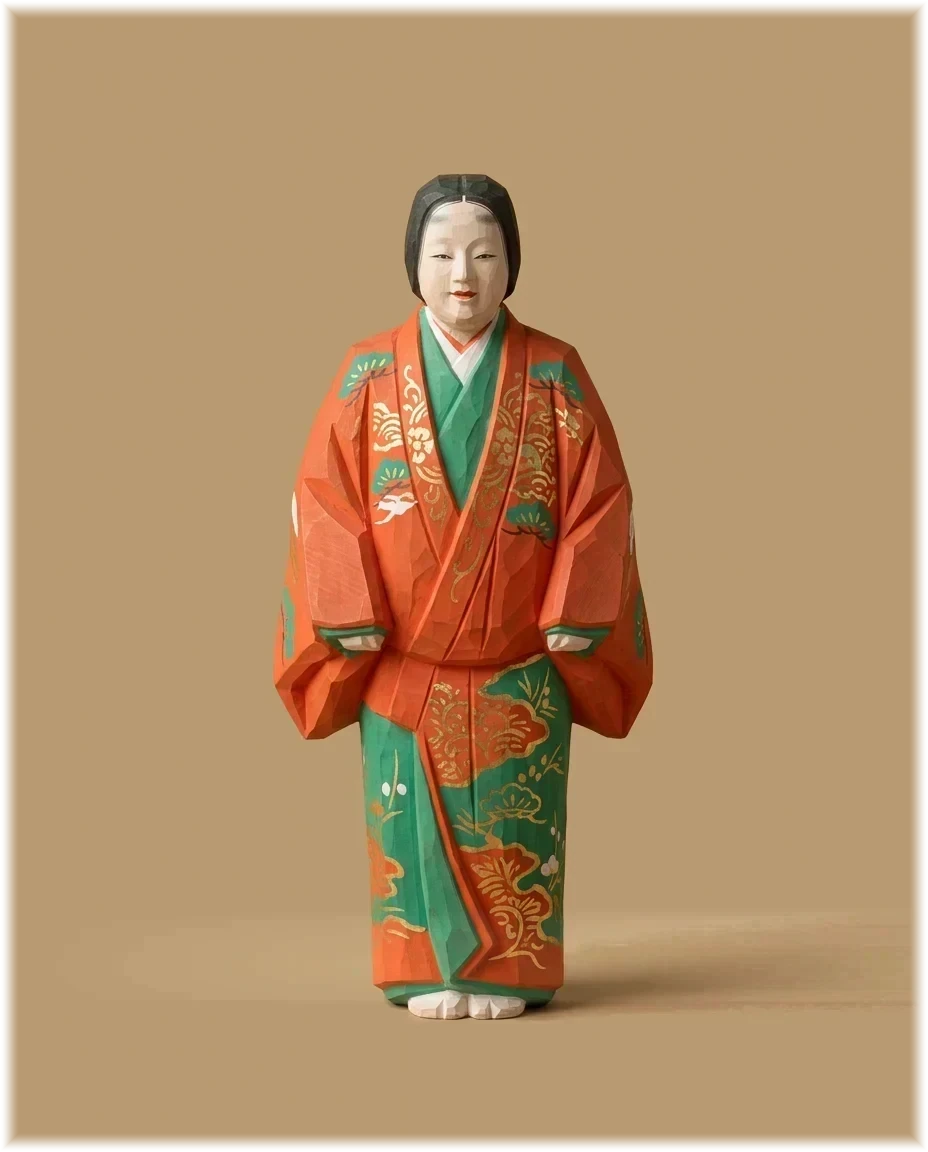
The knife marks are not sanded away. They are the finish.

Ittōbori means carving with a single blade. The figure is cut in bold flat planes and the facets are left exactly as the knife left them — no rounding, no sanding, no attempt to hide the making.

At the maker's bench
Front
Left
Back
Right
Read the full account →
Kyoto, Osaka and Edo
根付

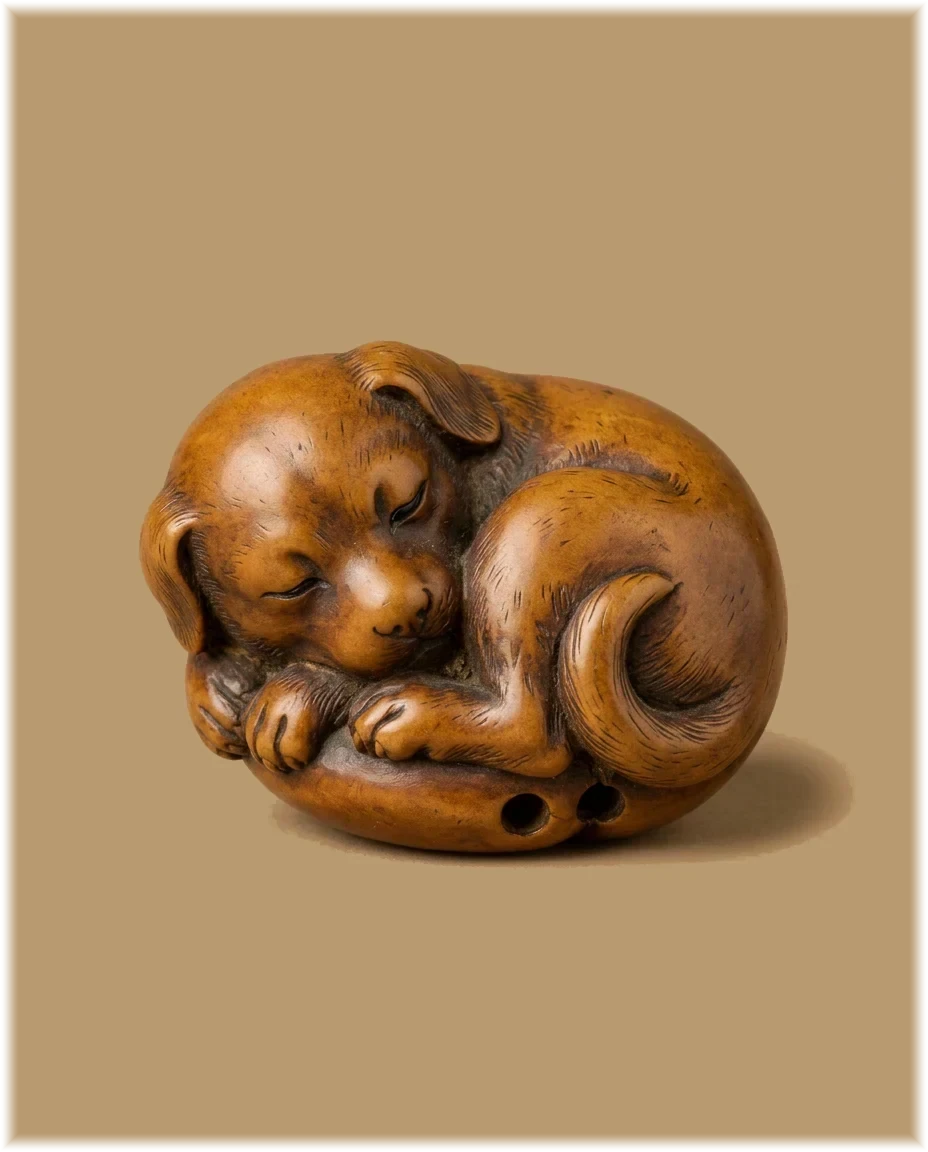
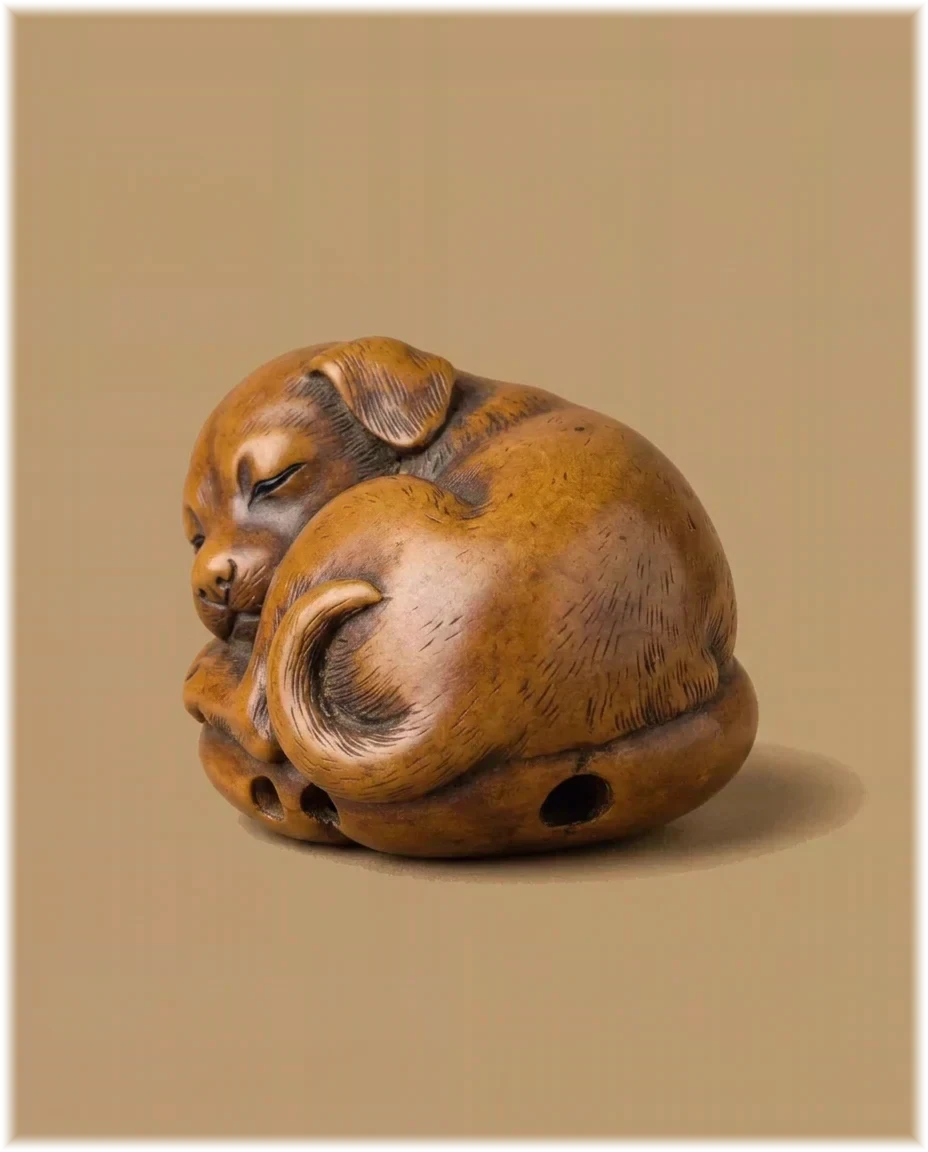
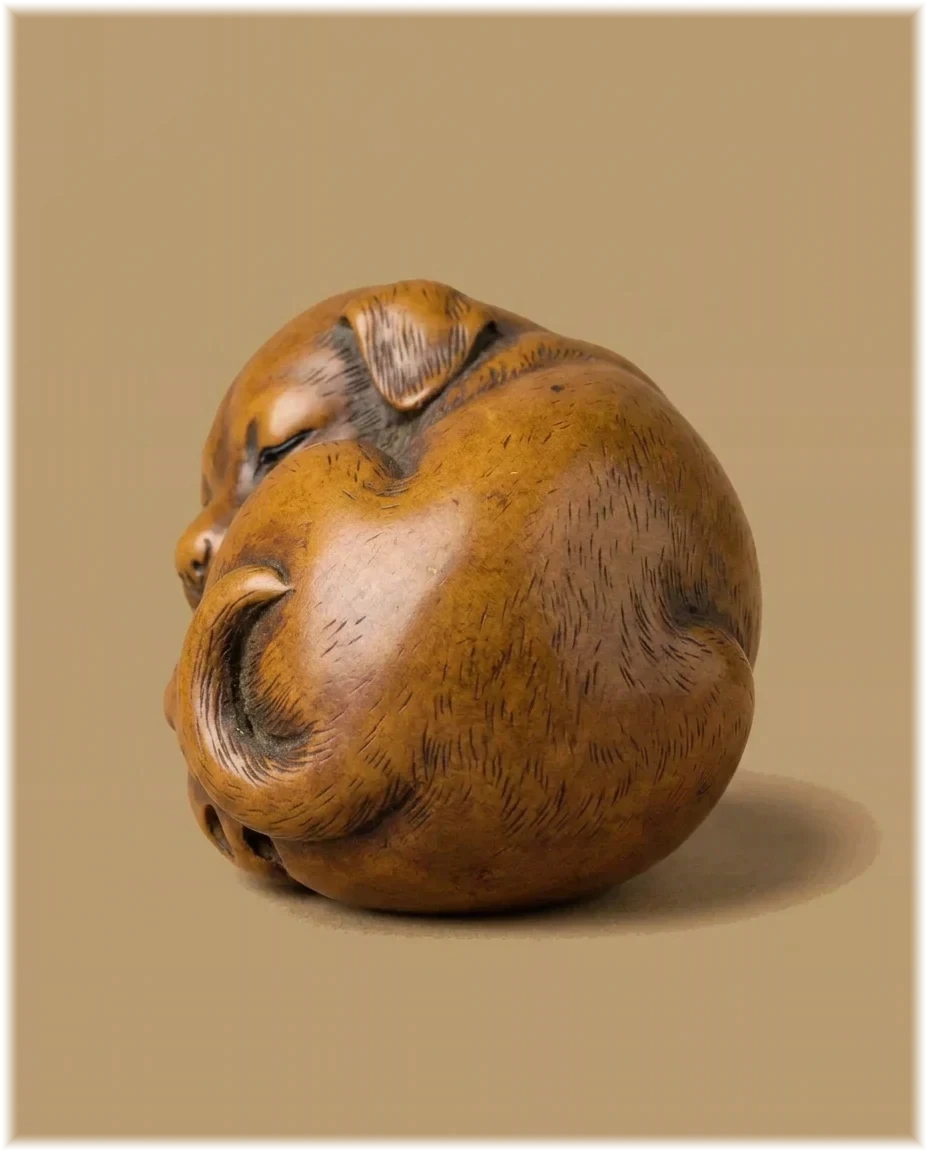
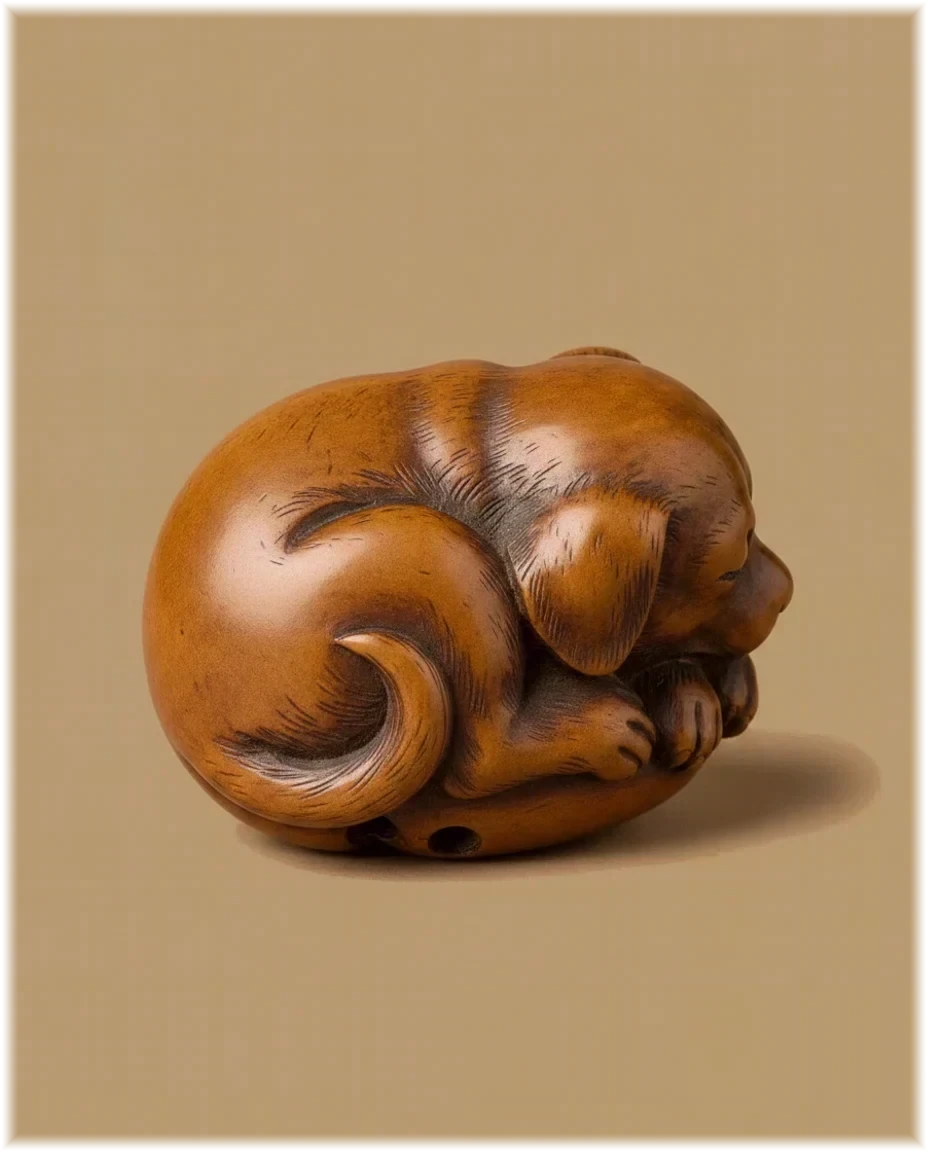
Netsuke

Kyoto, Osaka and Edo · Edo period — 17th to 19th century

A kimono has no pockets. That is the entire reason this exists.

A kimono has no pockets. Anything a man carried — tobacco, his seal, medicine in a stacked lacquer inrō — hung from a cord that was passed up behind his sash, and the netsuke sat on TOP of the sash as the toggle that stopped the whole thing sliding back down. It is the anchor, not the pendant: the carving rides at the waist, in view, and the pouch hangs below it.

At the maker's bench
Front
Left
Back
Right
Read the full account →
Inami, Toyama
欄間

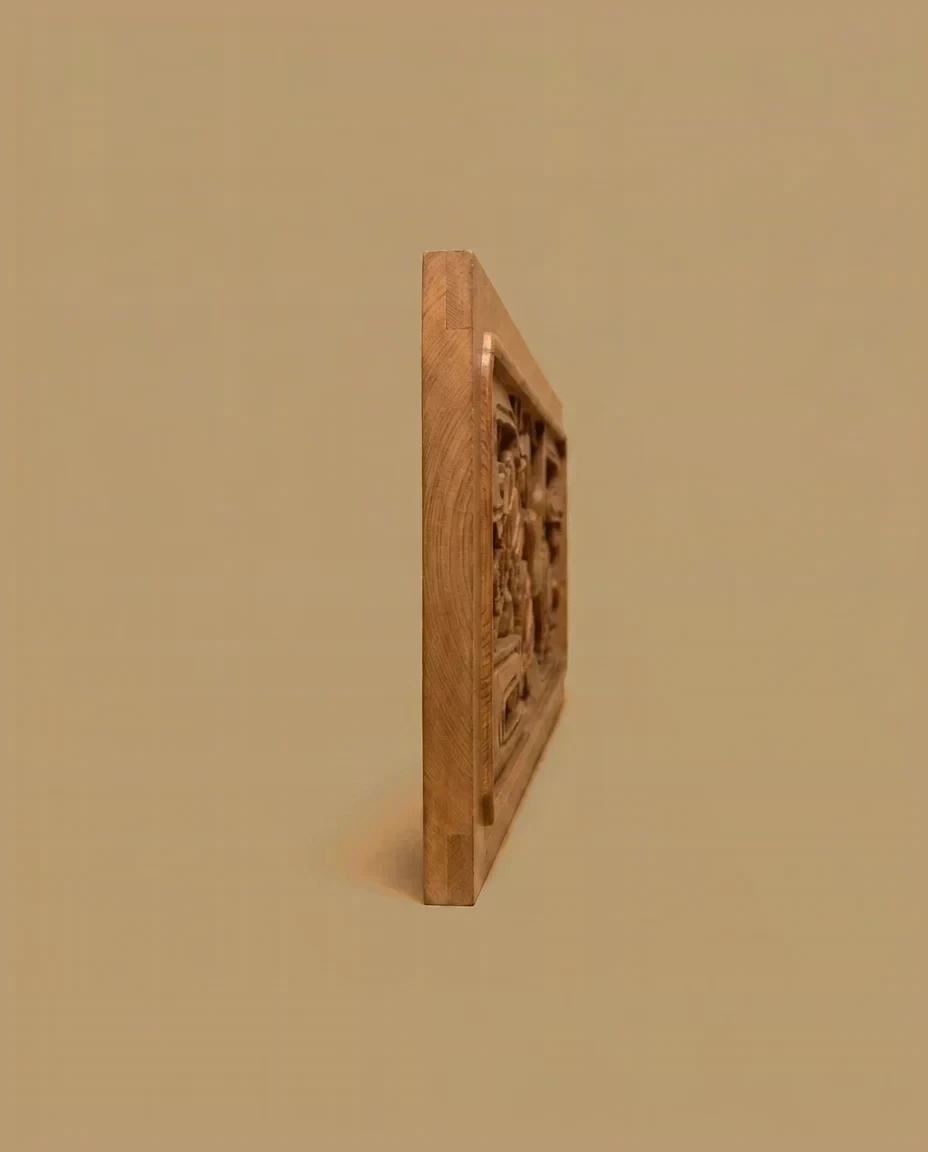
Ranma

Inami, Toyama · Carvers at Inami since 1763

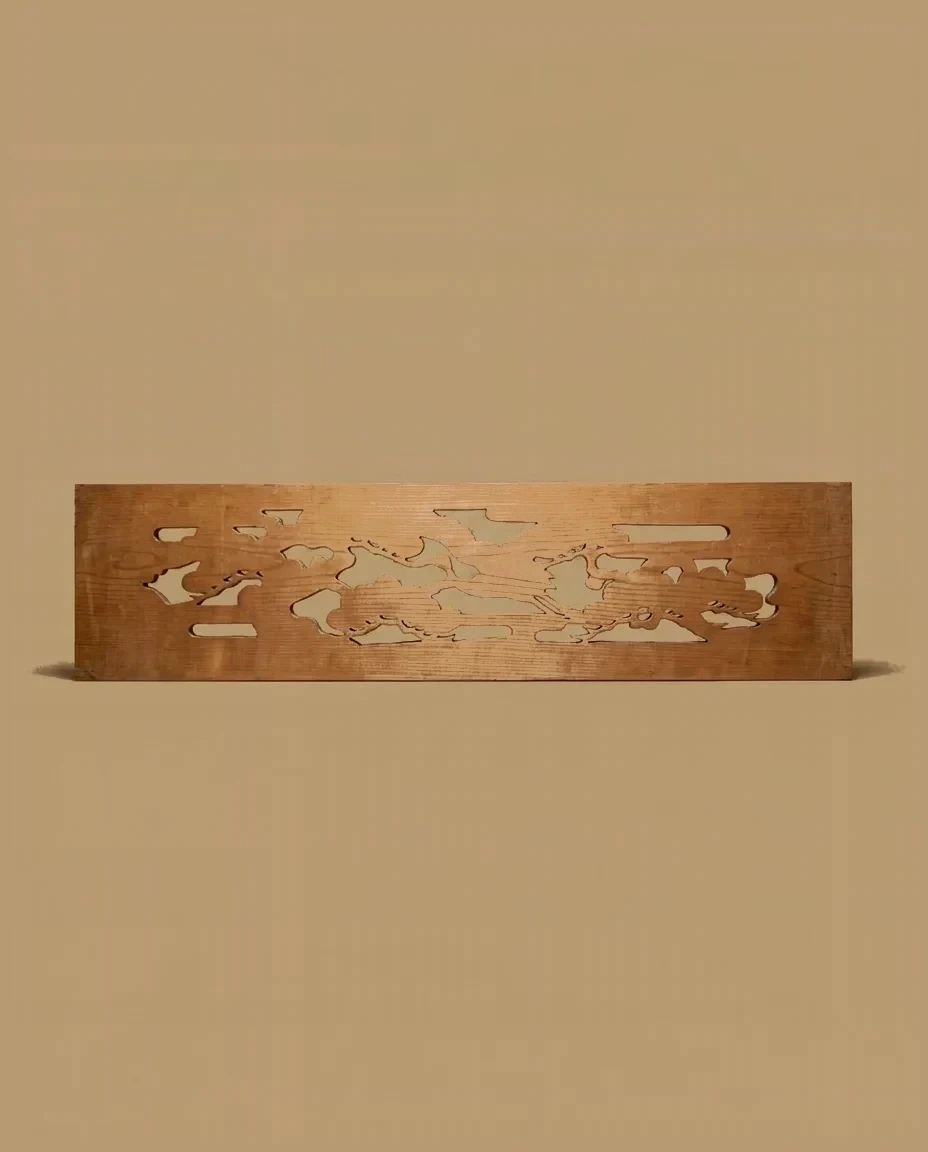
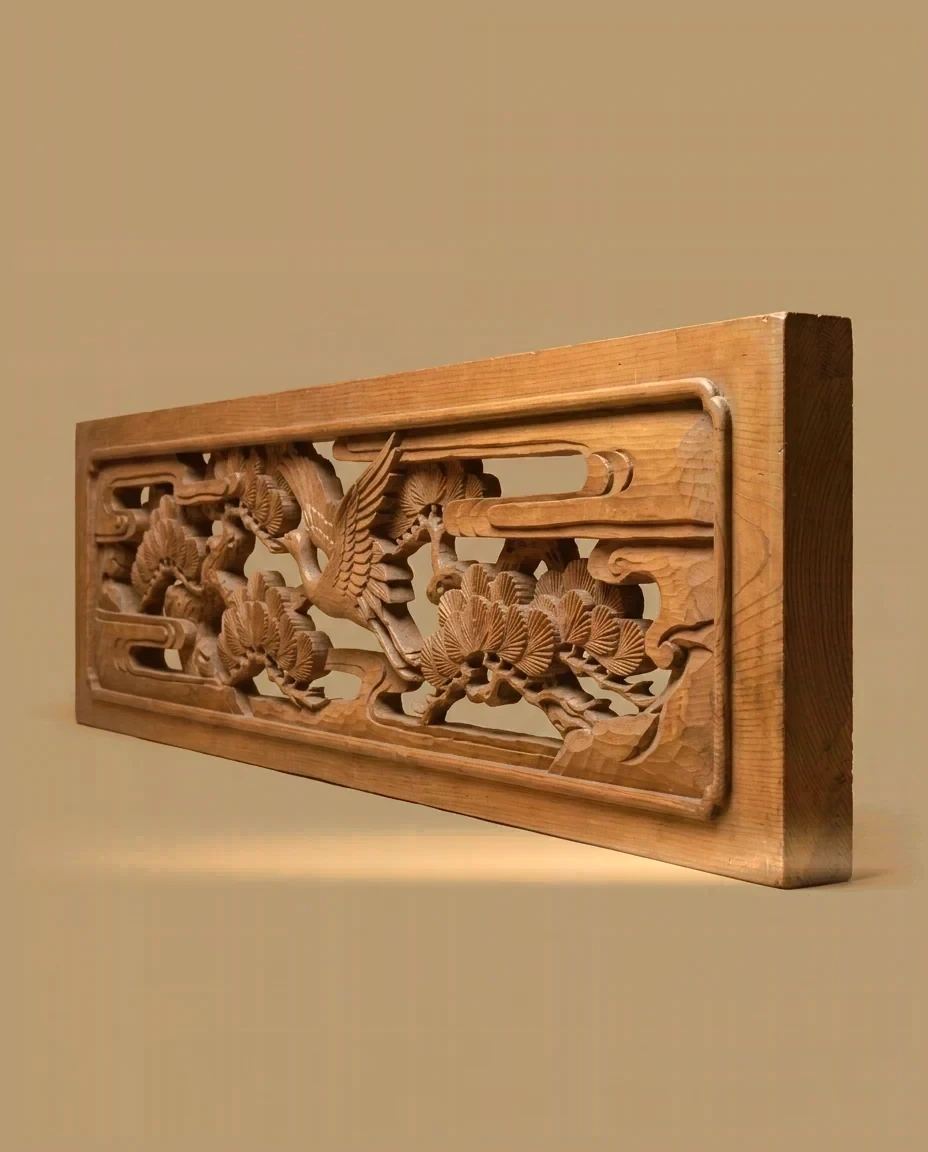
Two rooms have to share it, so it is carved through — from both sides.

A ranma is the pierced panel above the sliding doors, in the gap between the lintel and the ceiling. It is there so that light and air can pass between two rooms that are otherwise shut off from one another.
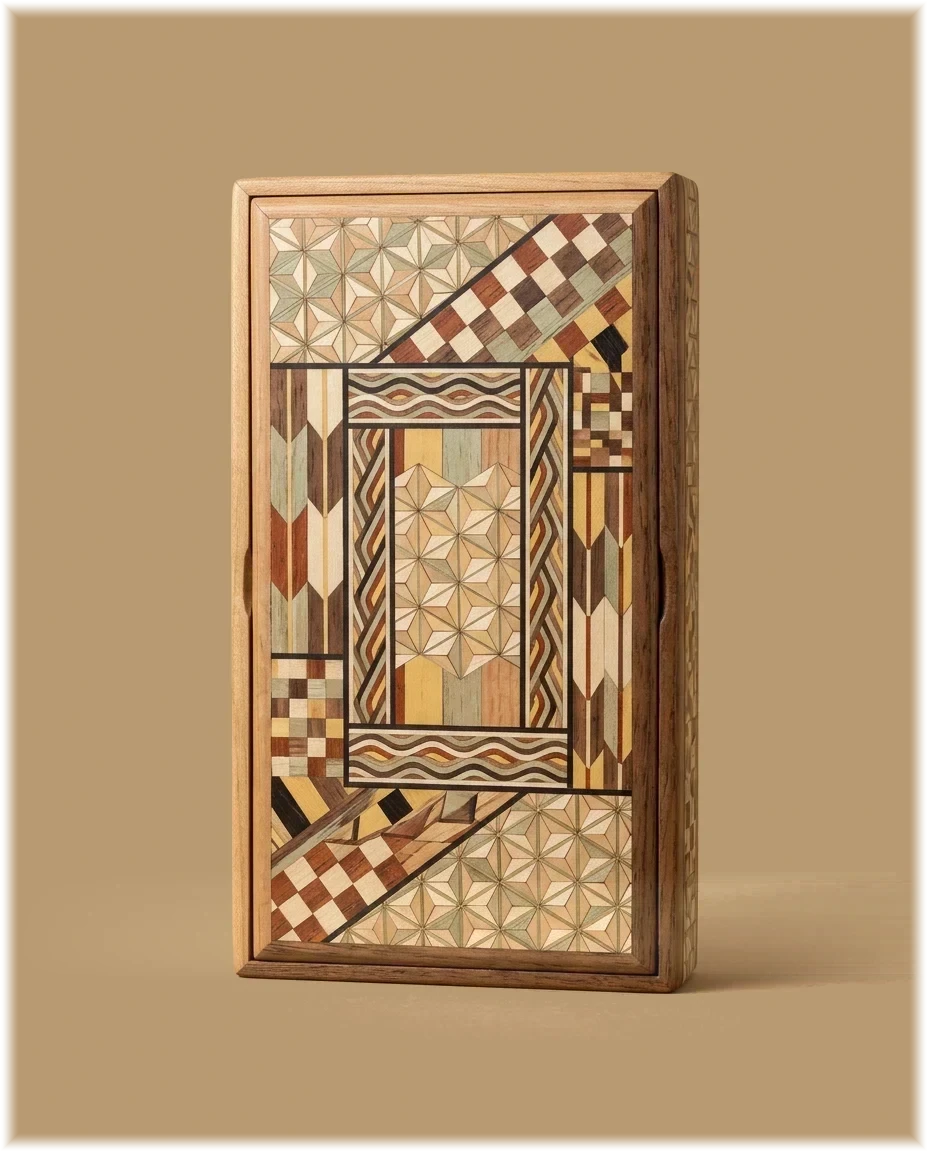
At the maker's bench
Front
Left
Back
Right
Read the full account →
Hatajuku, Hakone, Kanagawa
寄木細工

Hakone marquetry

Hatajuku, Hakone, Kanagawa · From the 1830s

Not one colour in it is a dye. Every shade is a different tree.
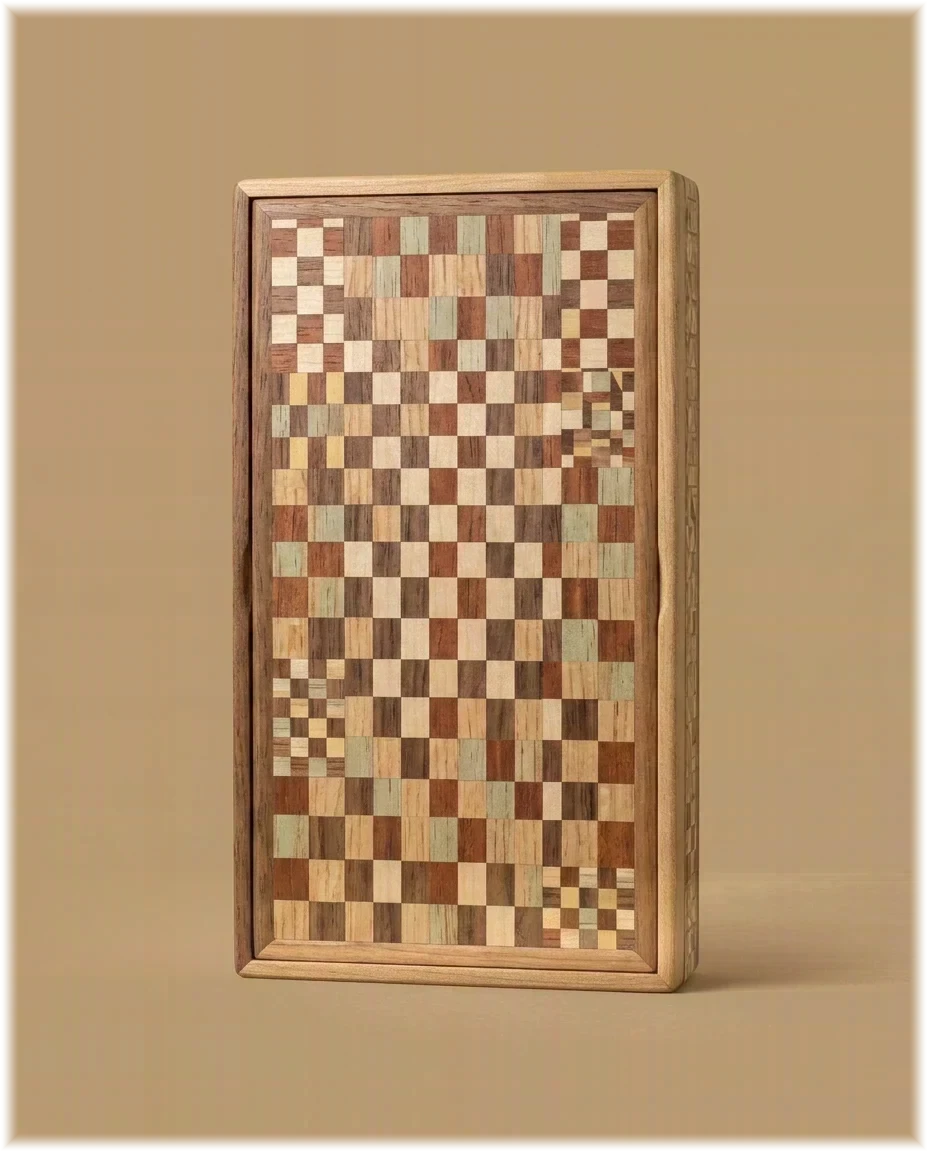
This is the one thing in this room that is not carved. It is assembled — from strips of wood cut, planed square, and glued edge to edge until the pattern exists in the block itself, all the way through, like a stick of seaside rock.

At the maker's bench
Front
Left
Back
Right
Read the full account →

Your bag