The metal cabinet
Metal is the only thing on these shelves that begins as a liquid. It is poured once, into a mould that has to be broken to let it out, and what comes out is kept for a very long time.
Seven casters and a castle town
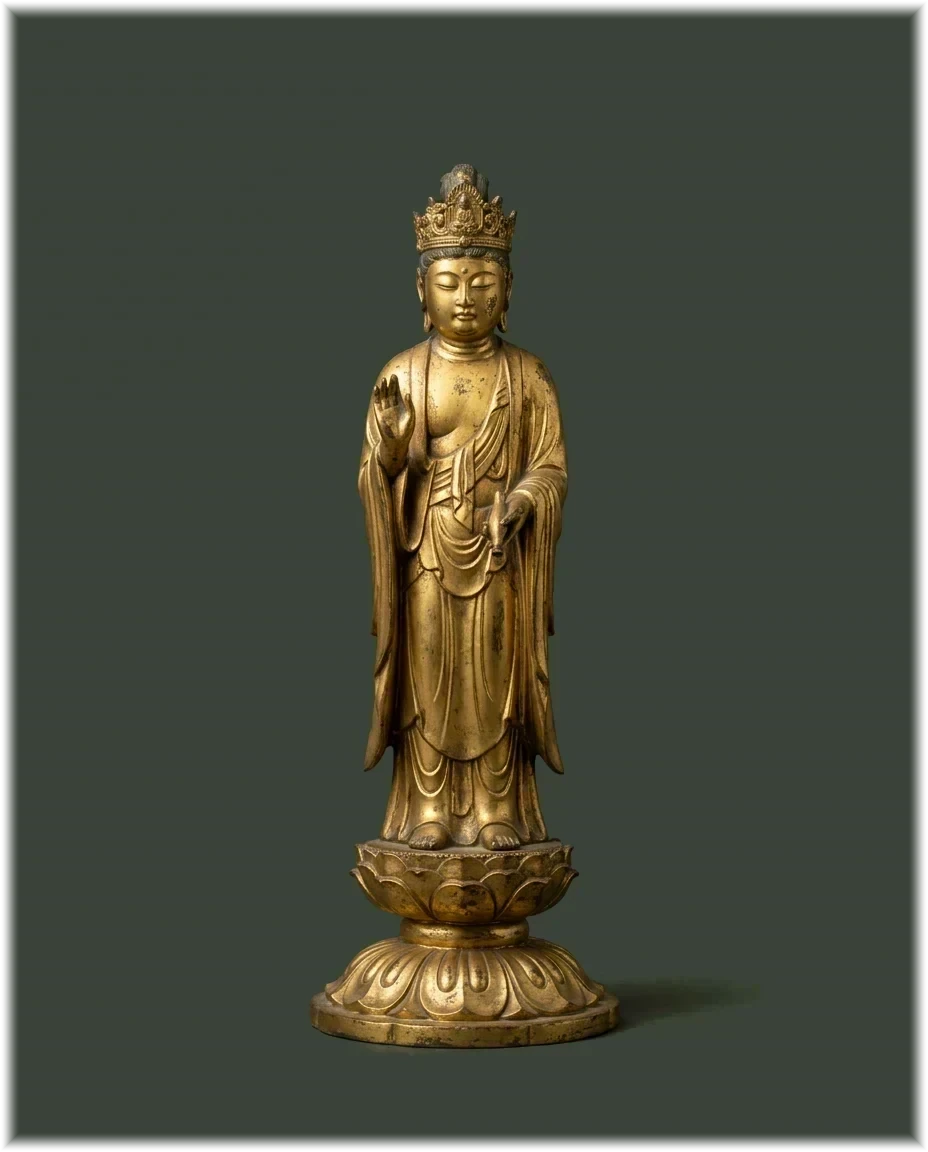
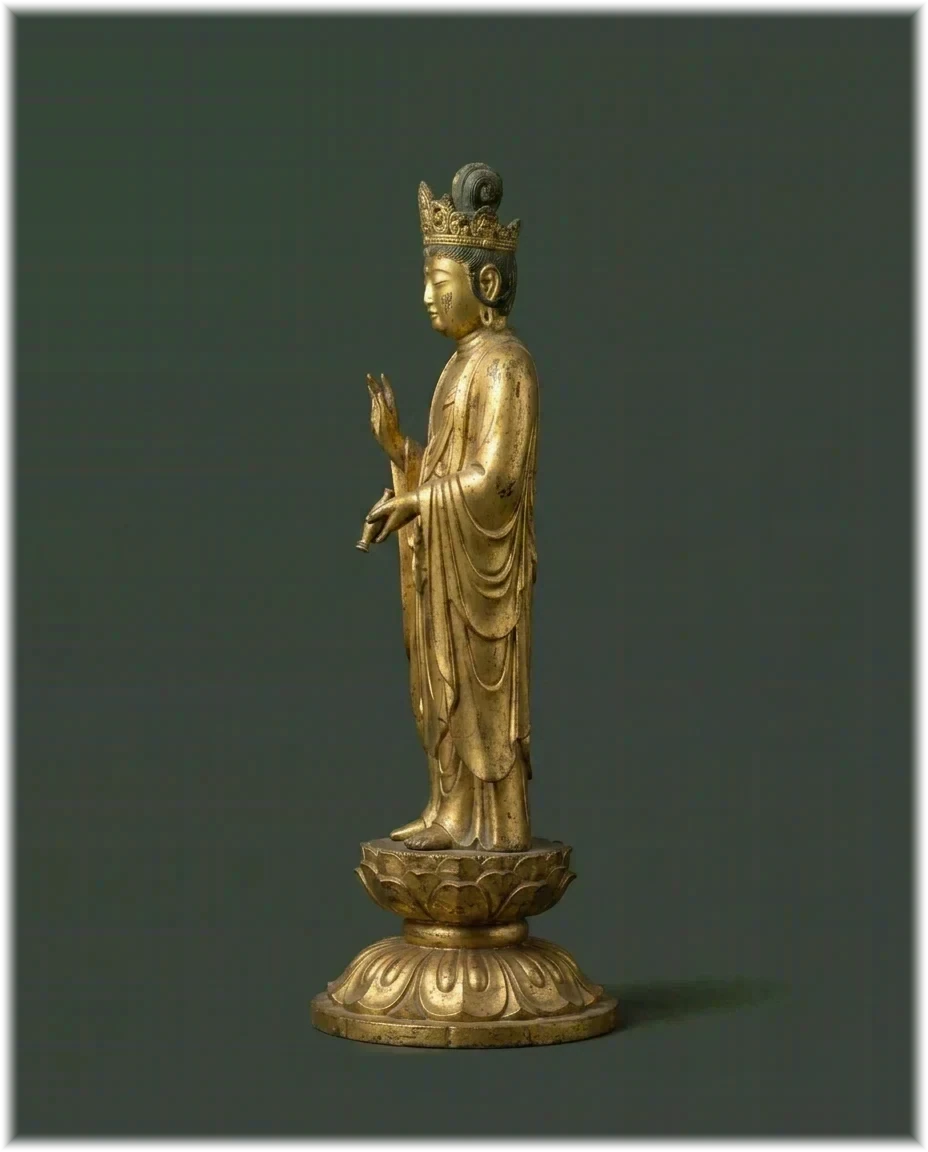
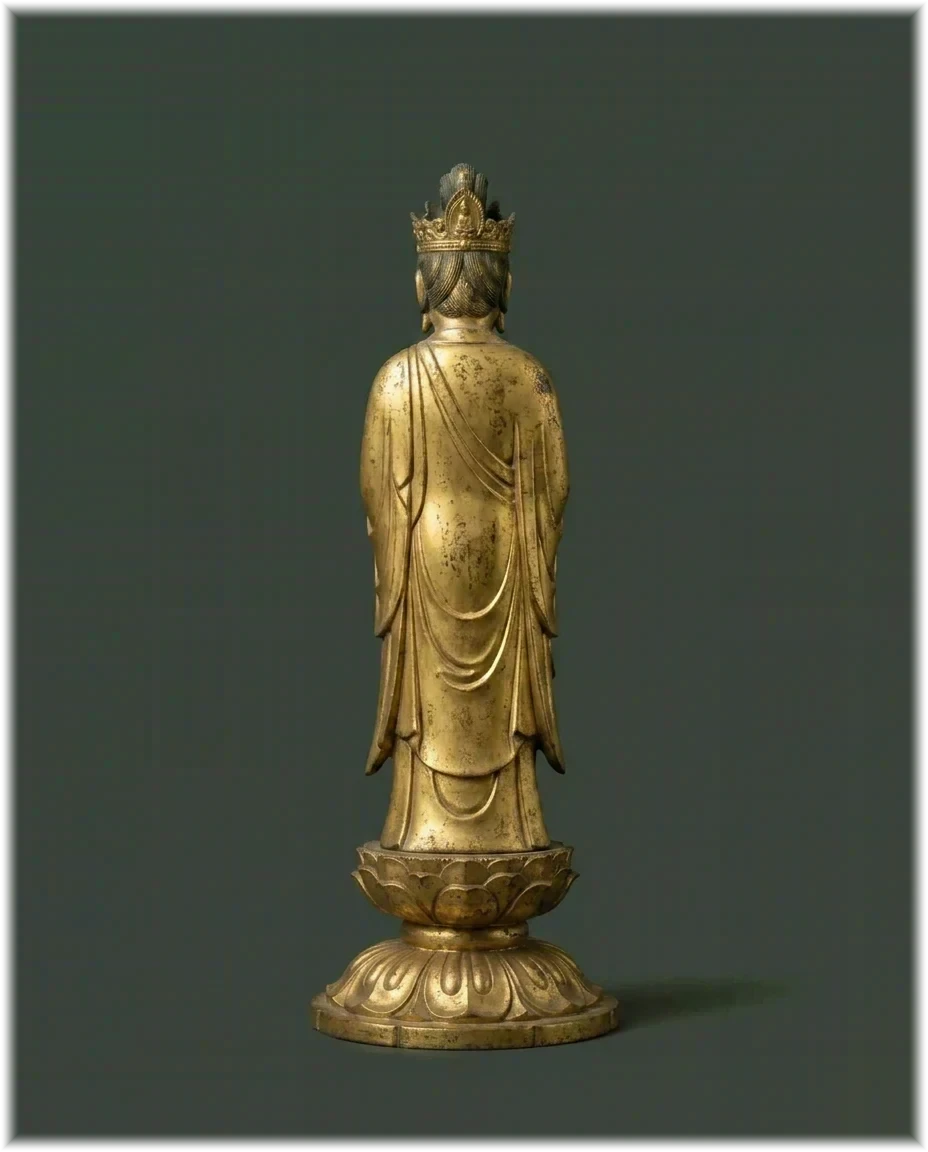
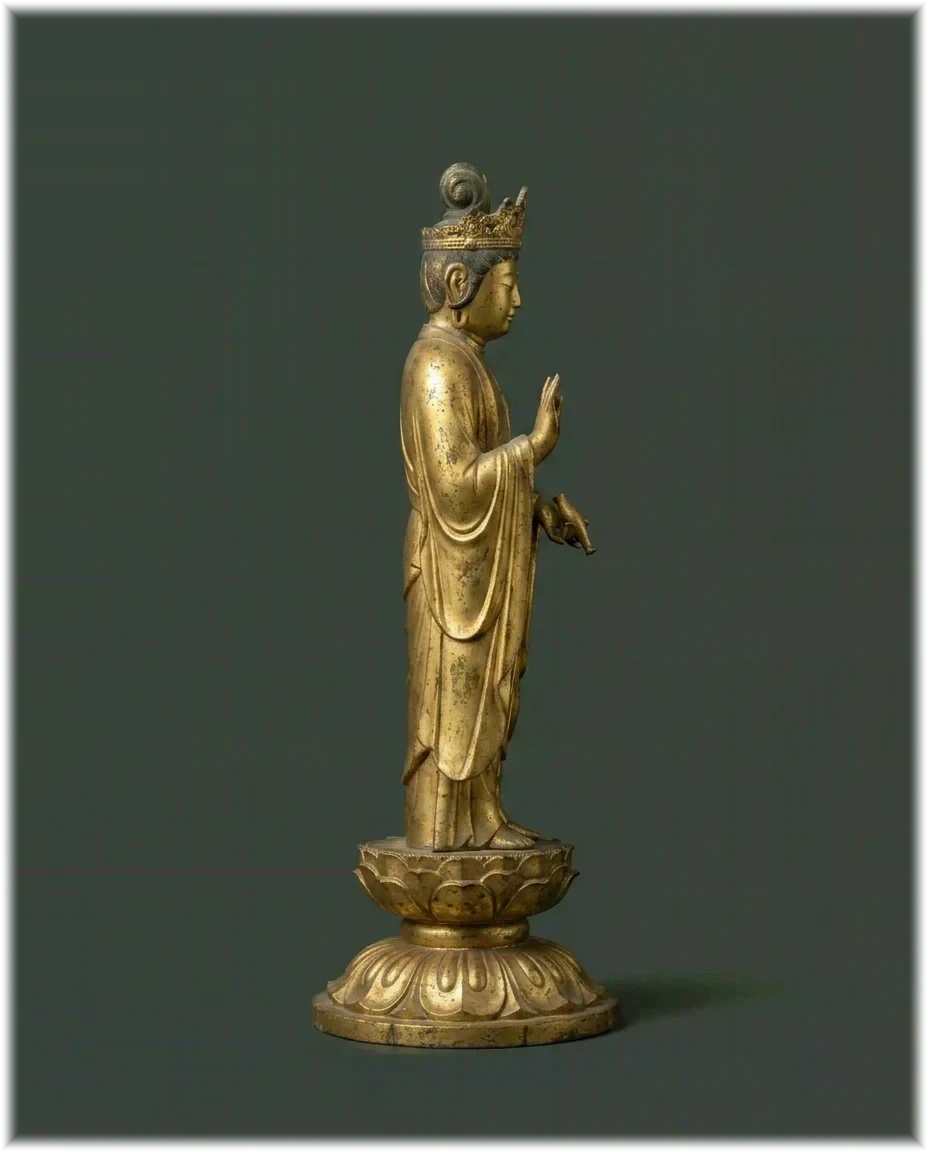
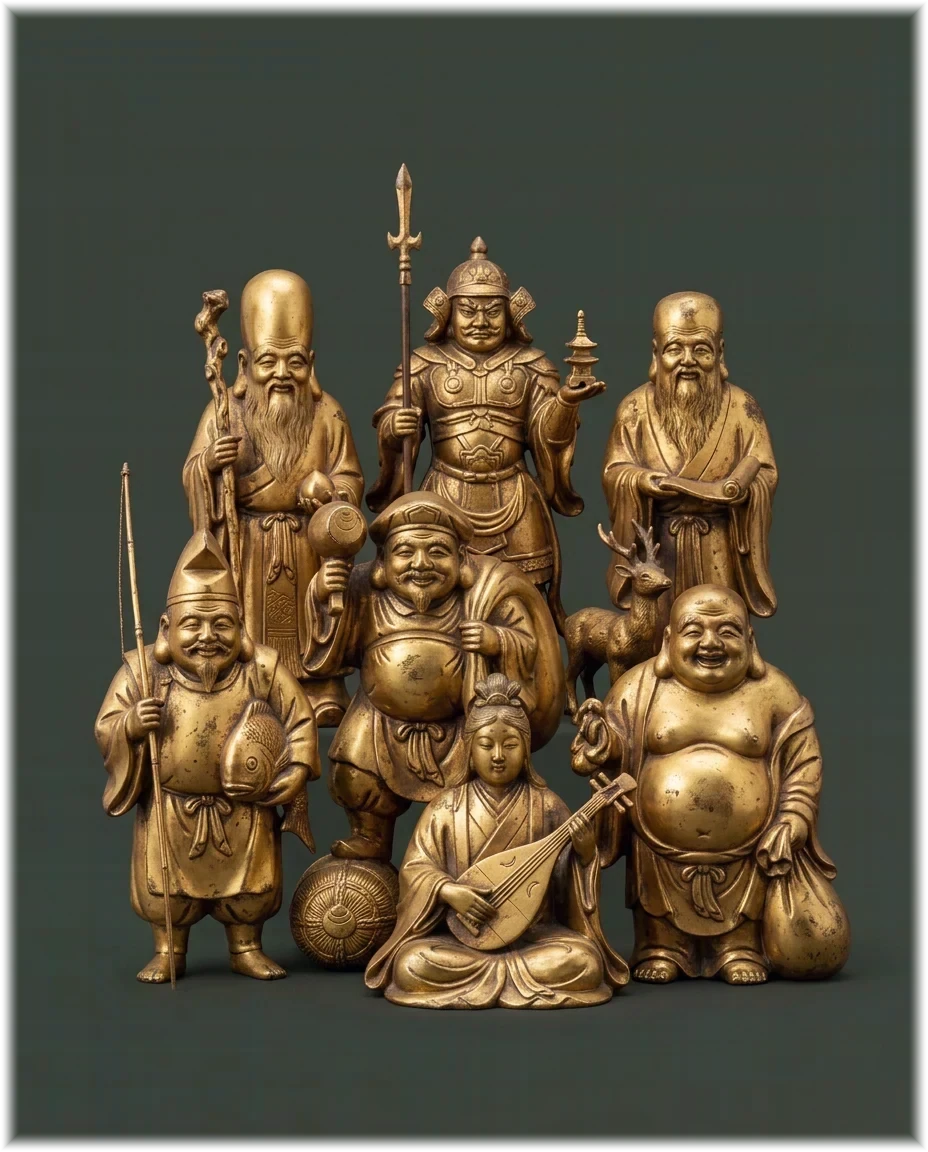
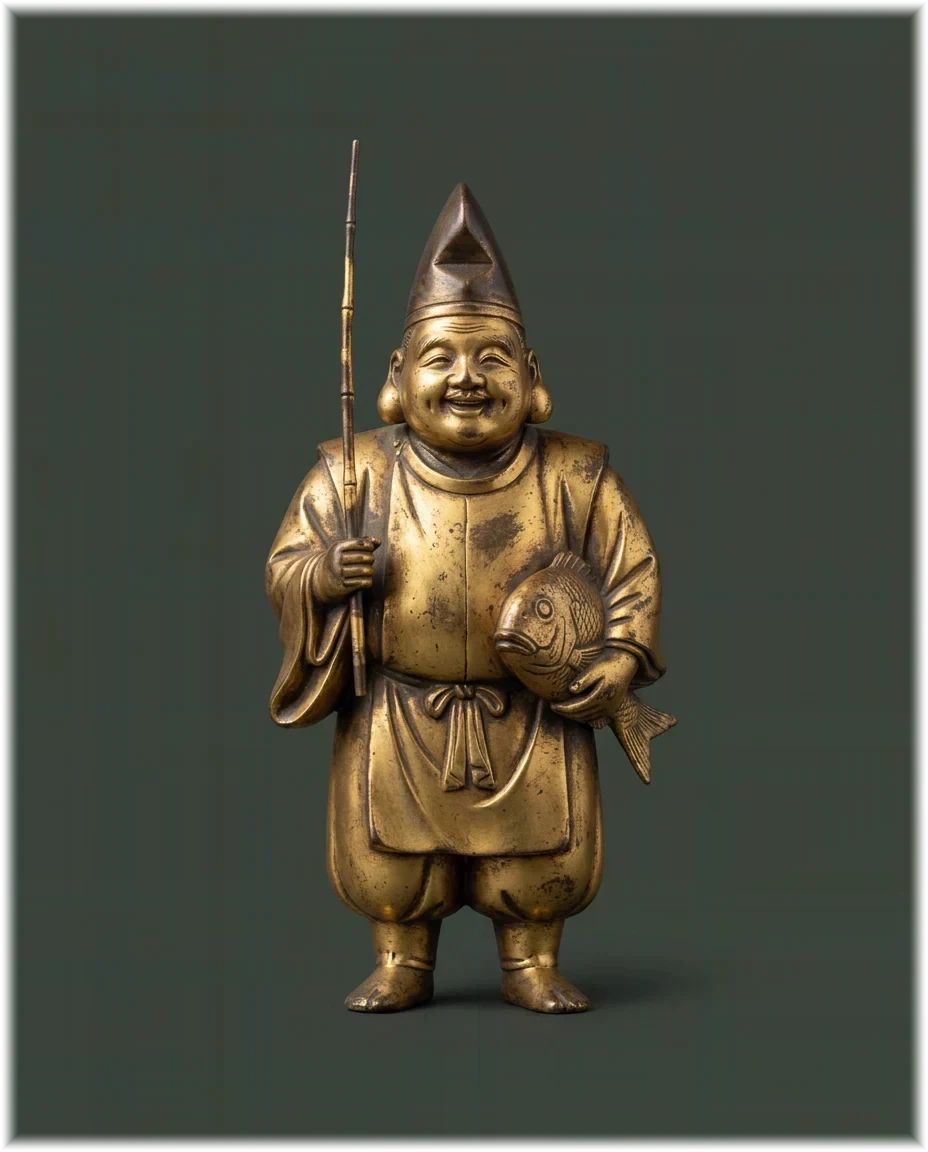
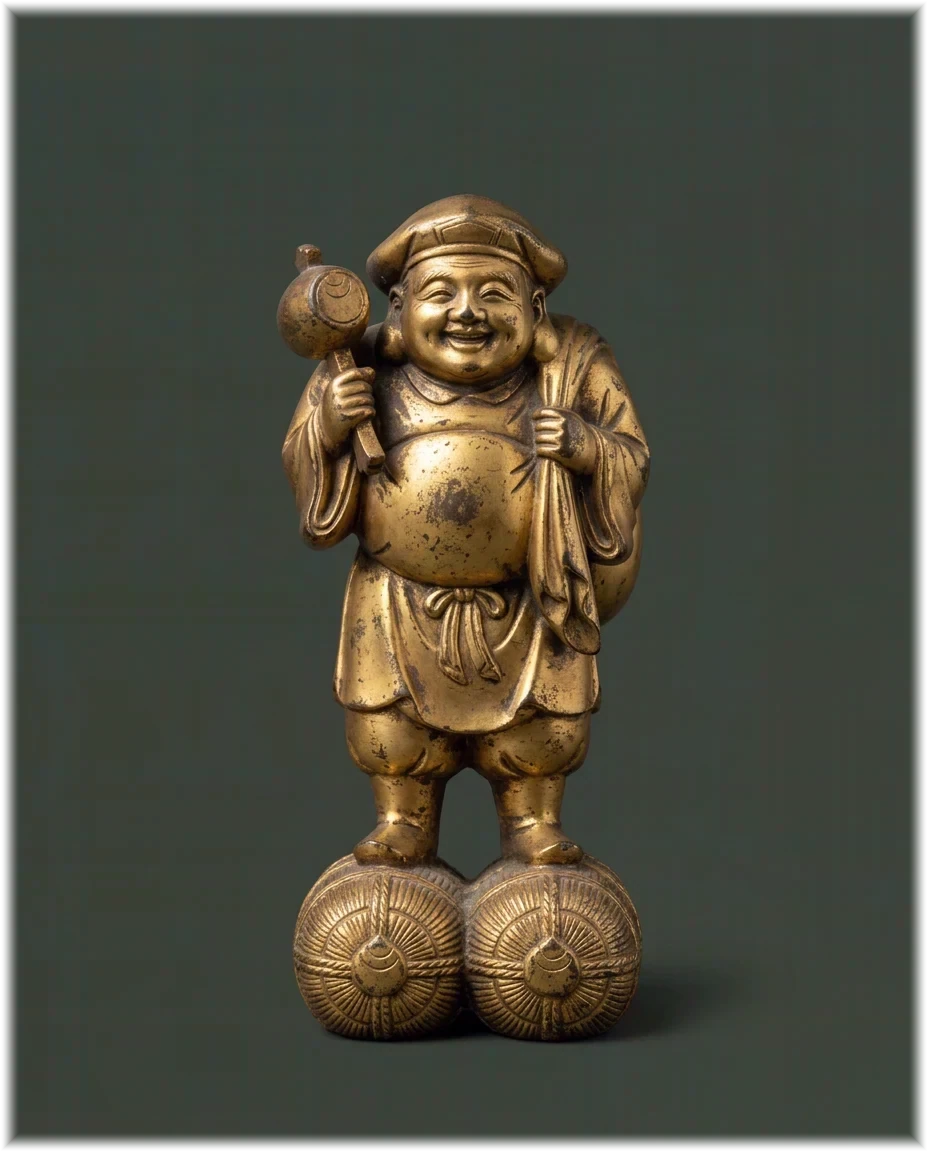
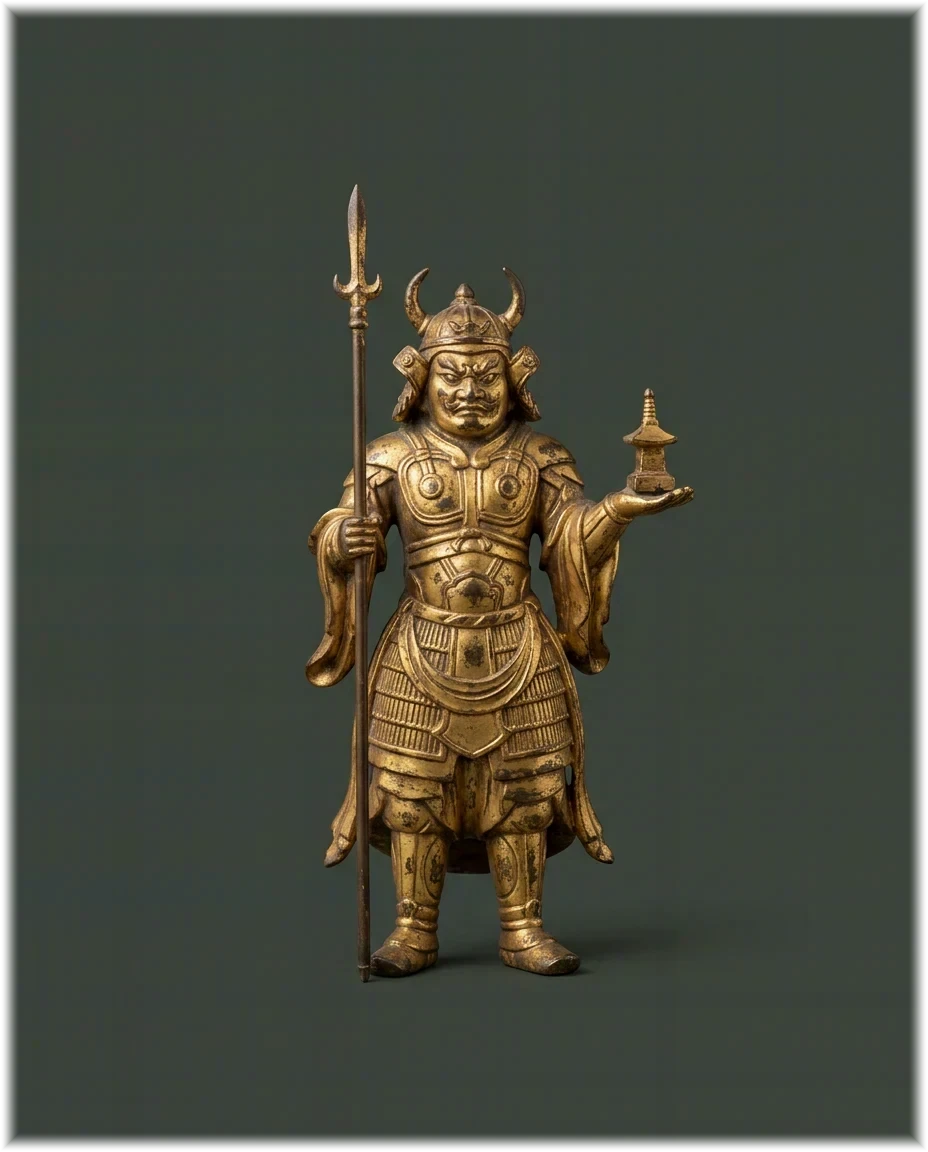
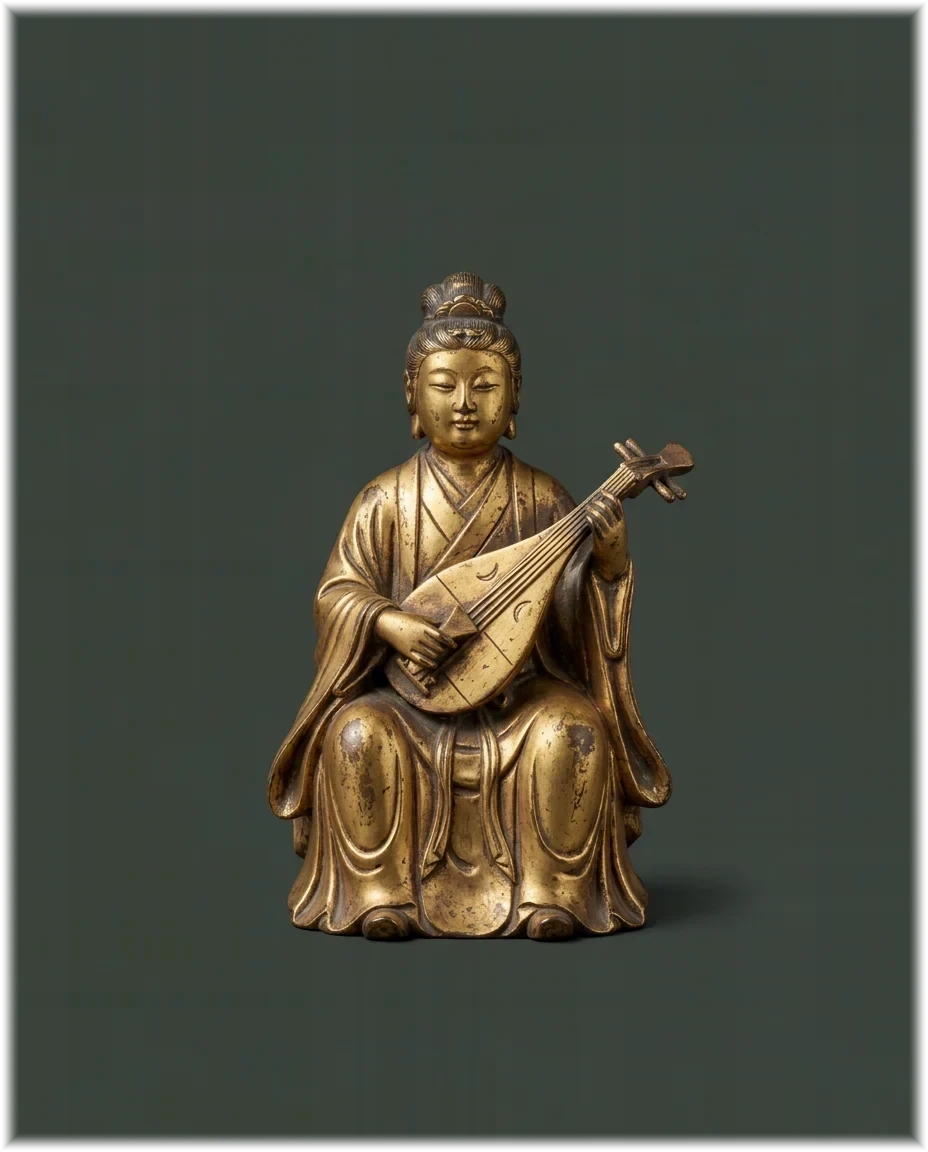
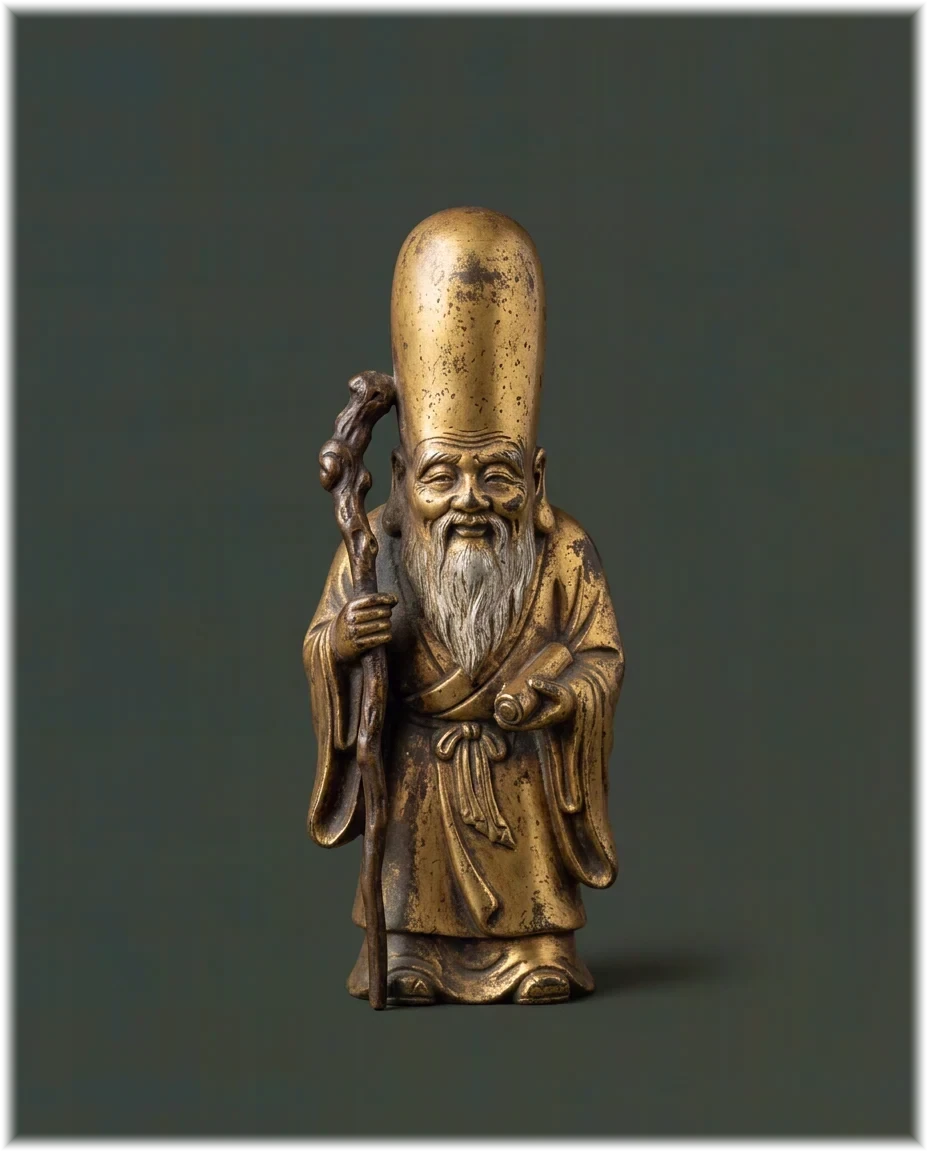
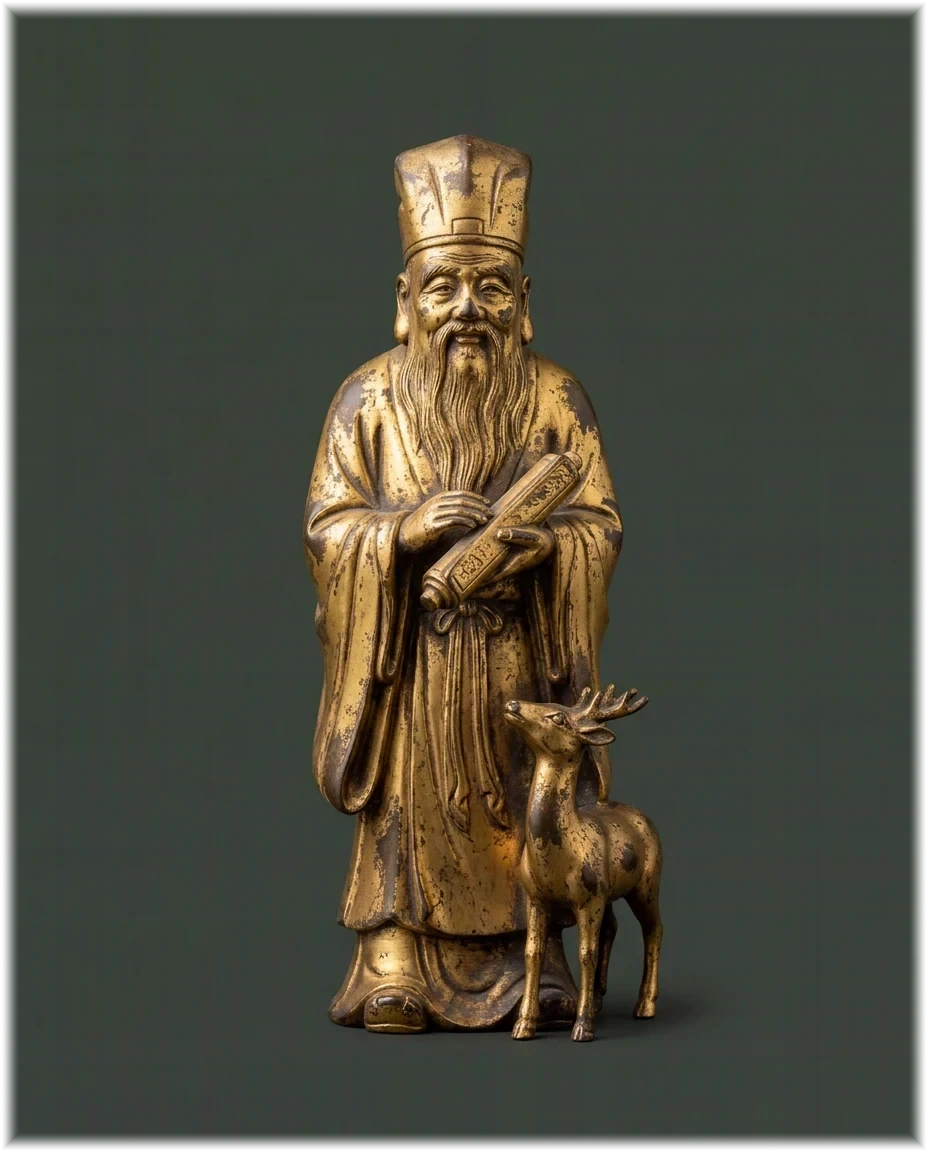
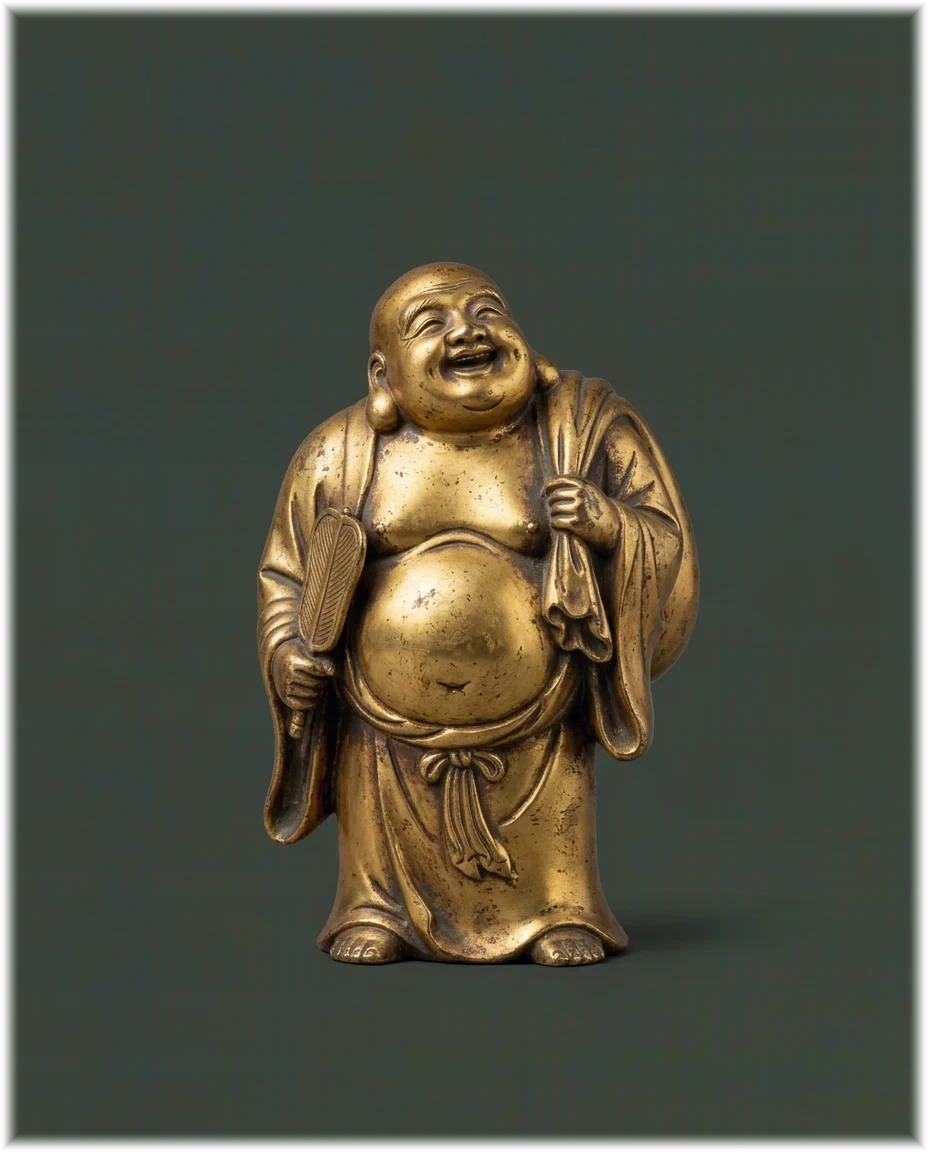
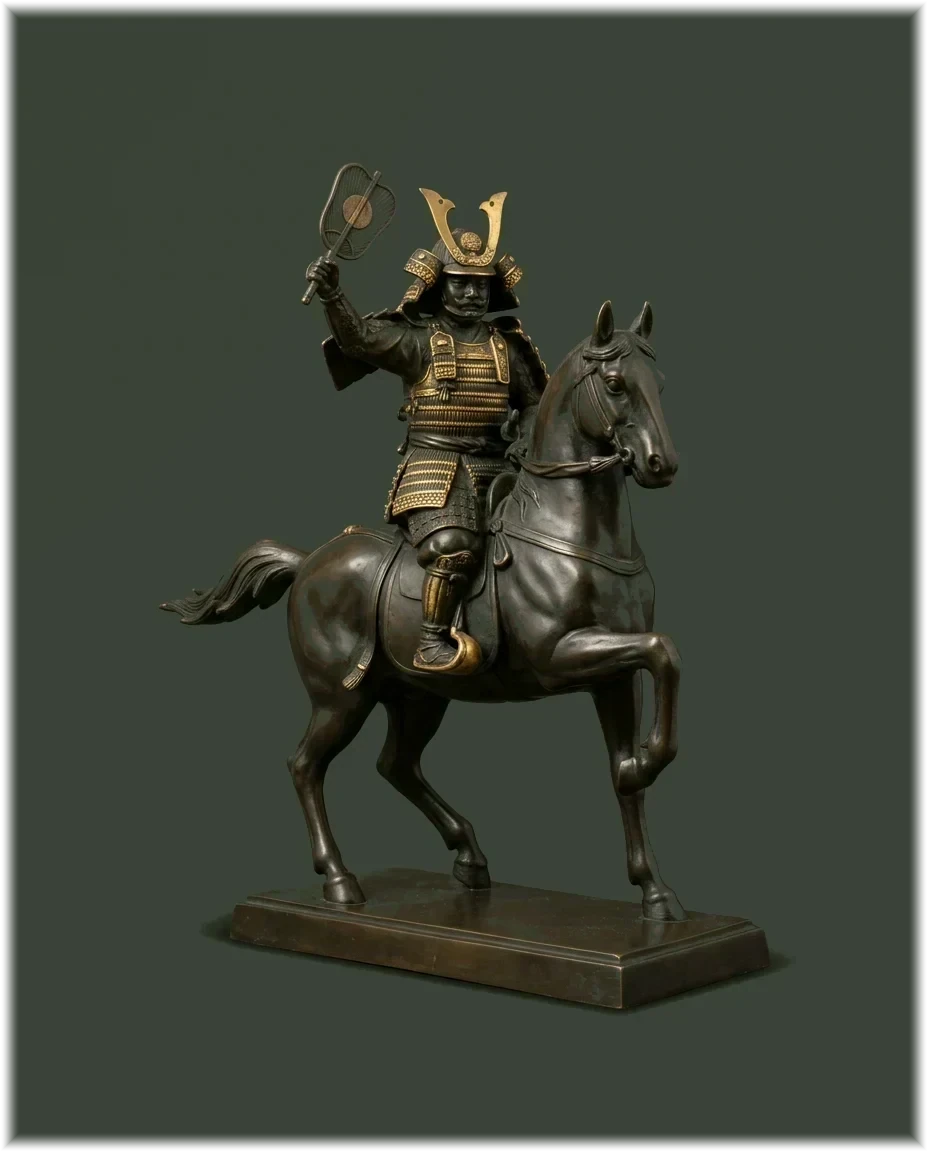
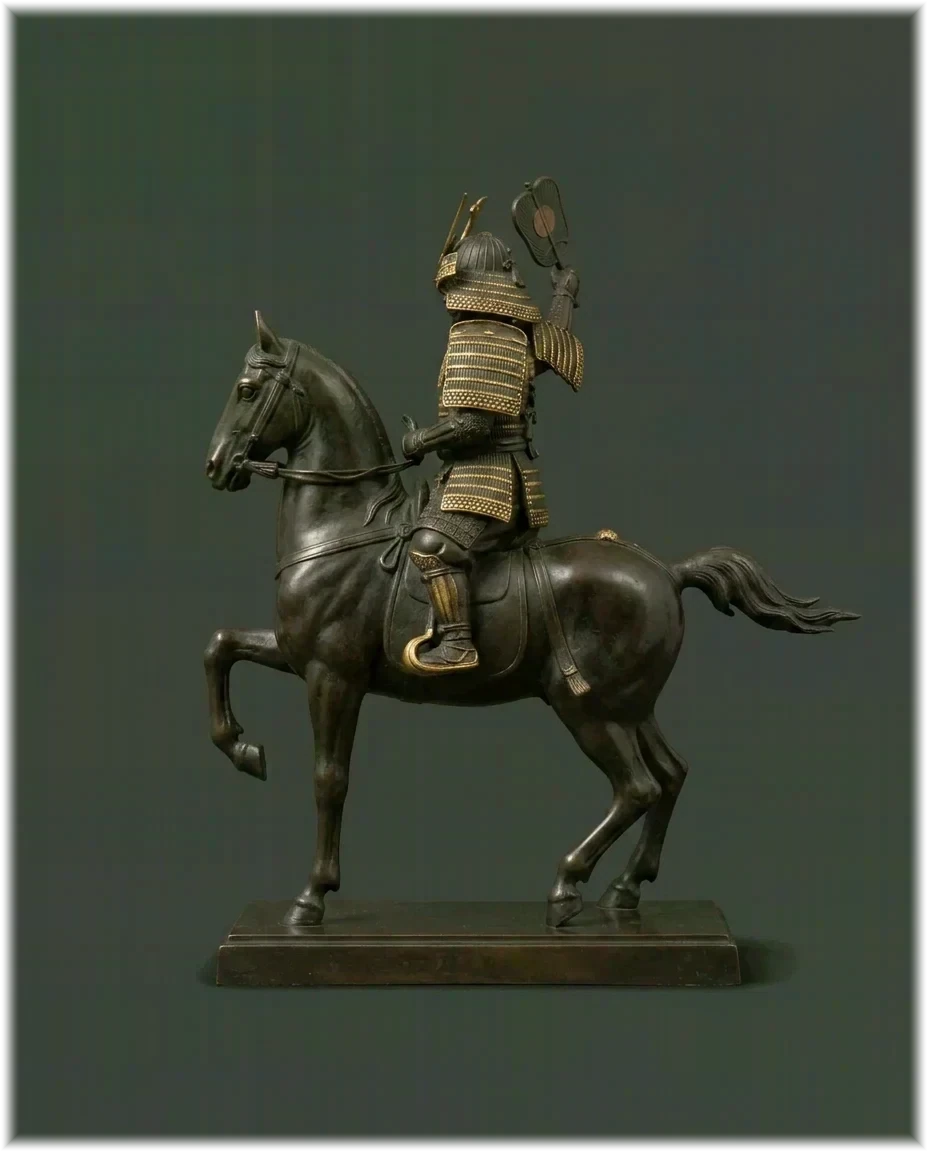
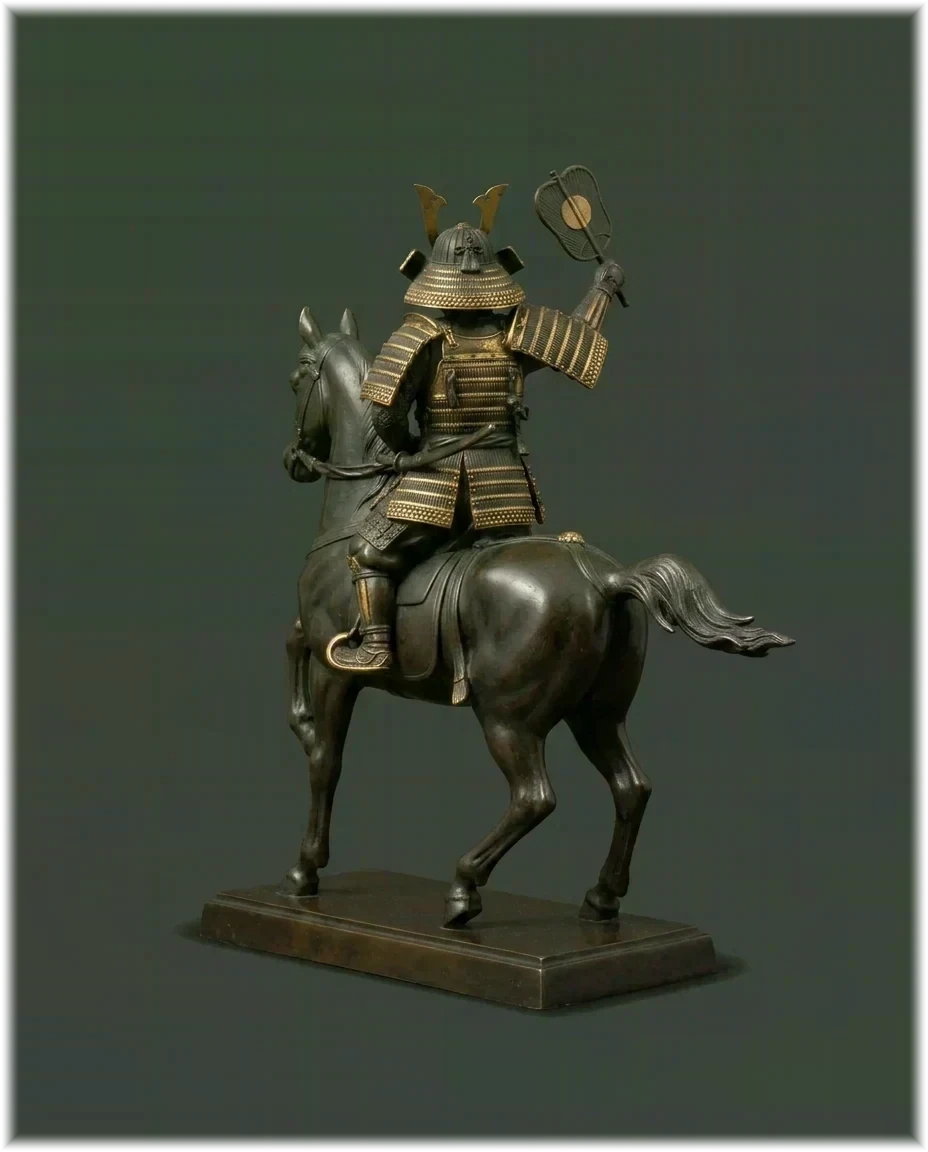
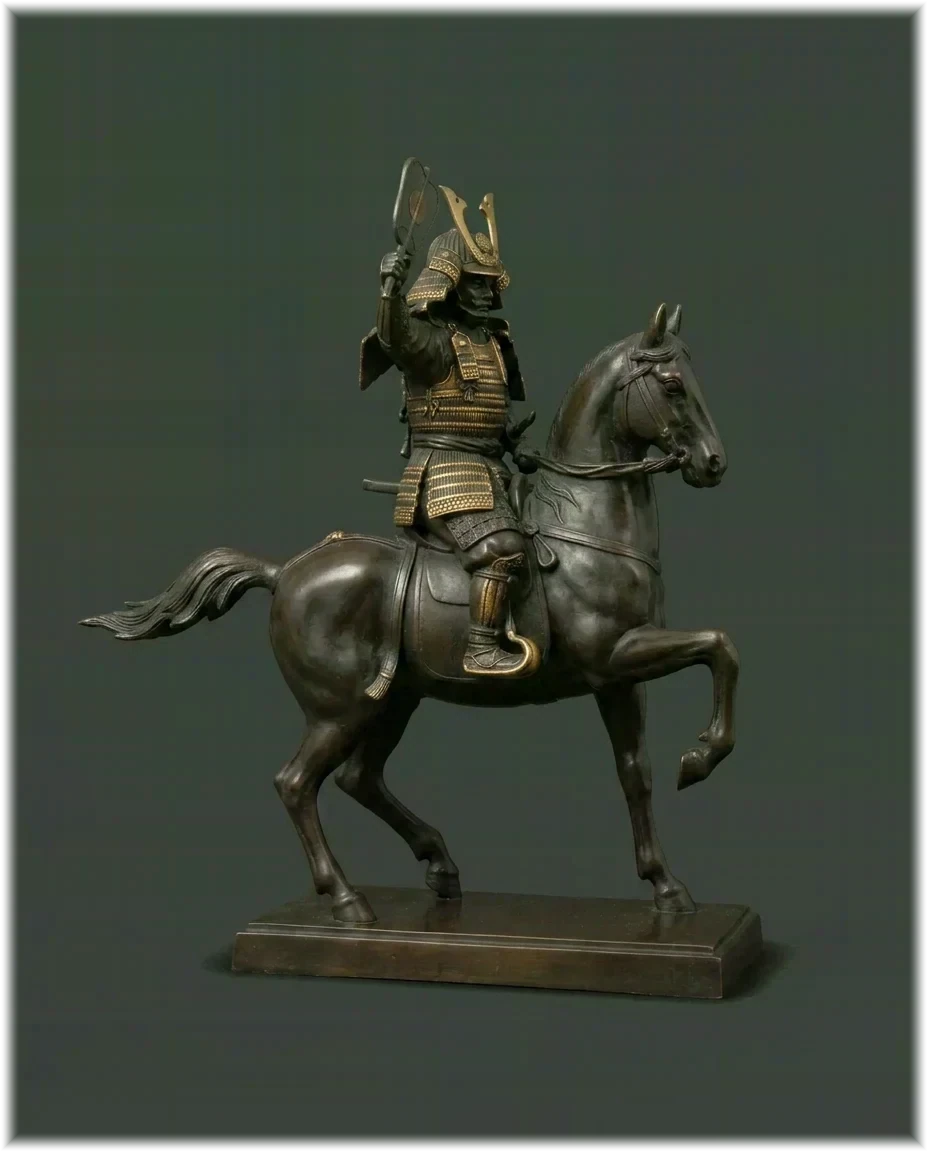
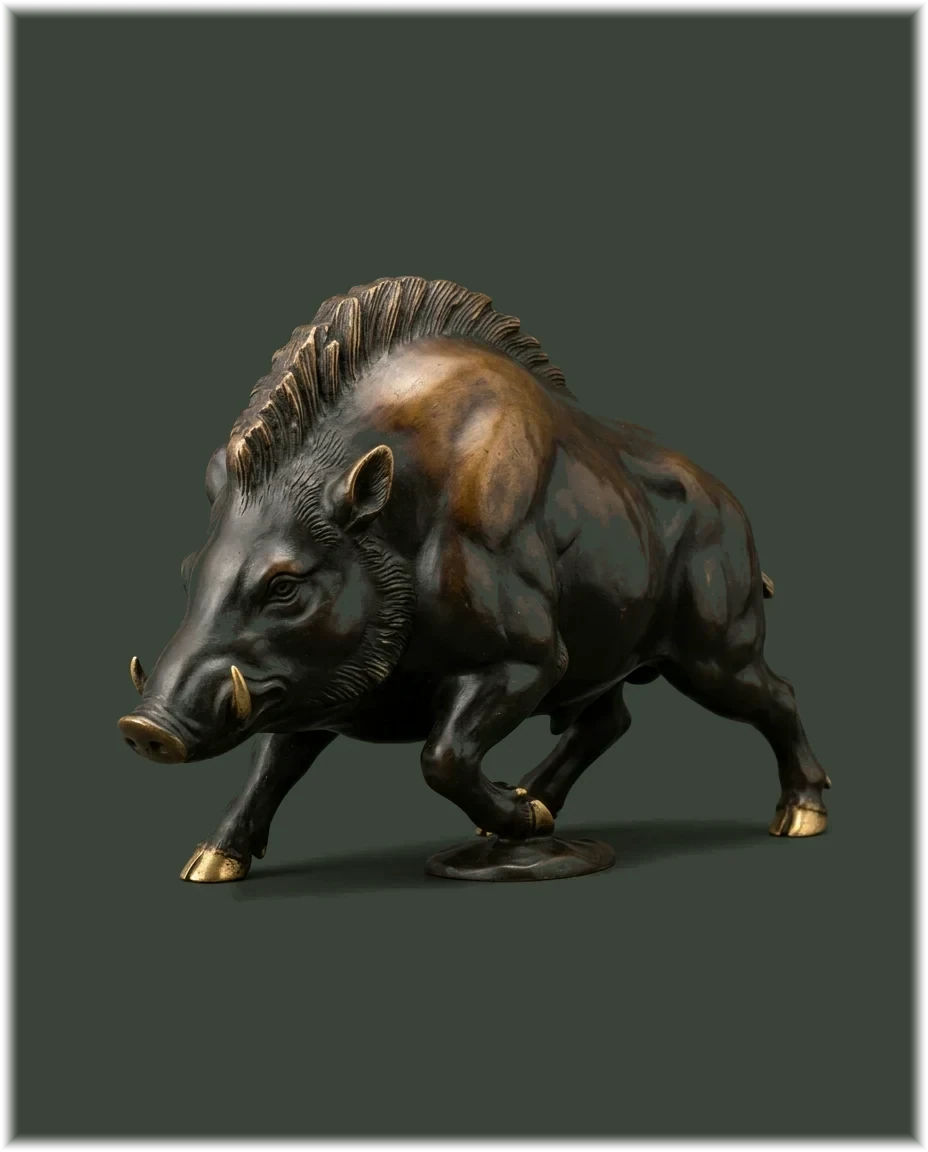
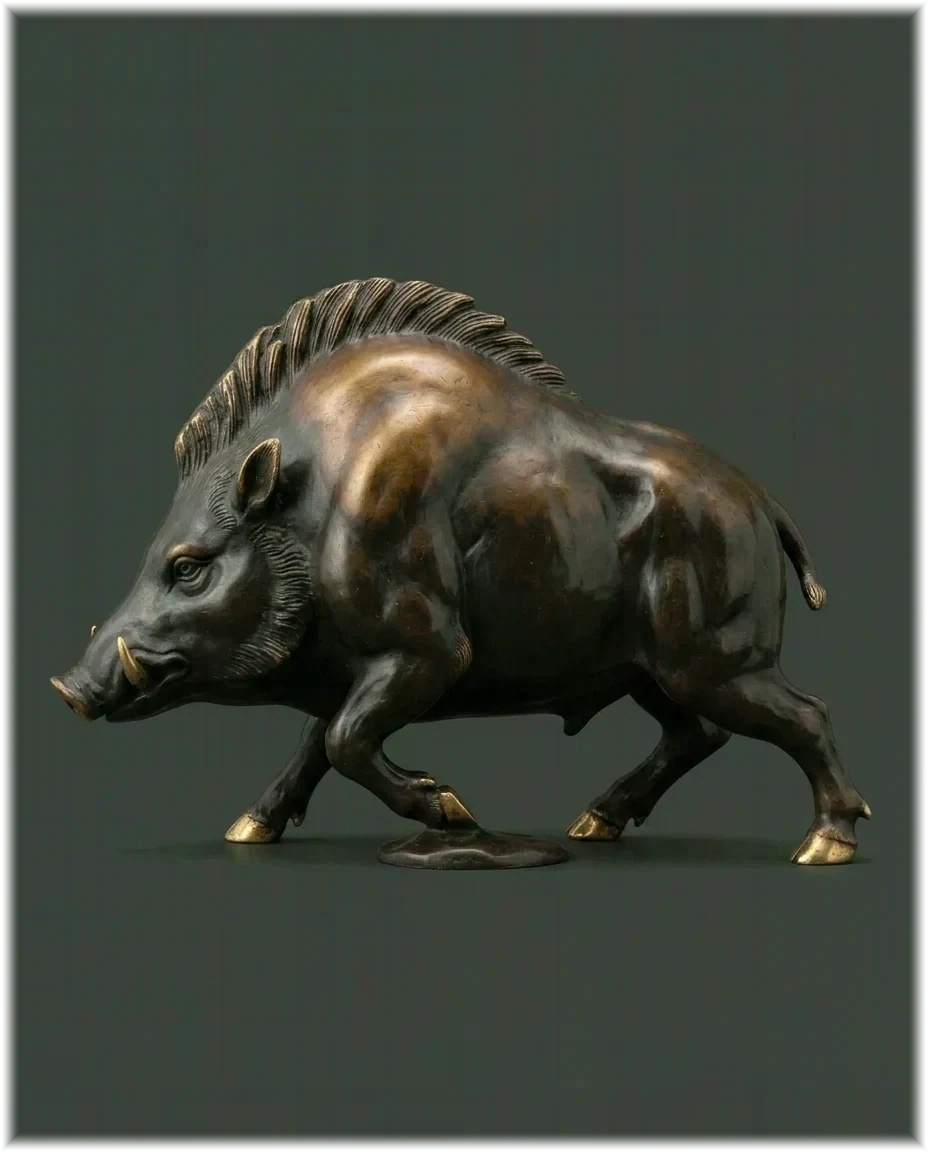
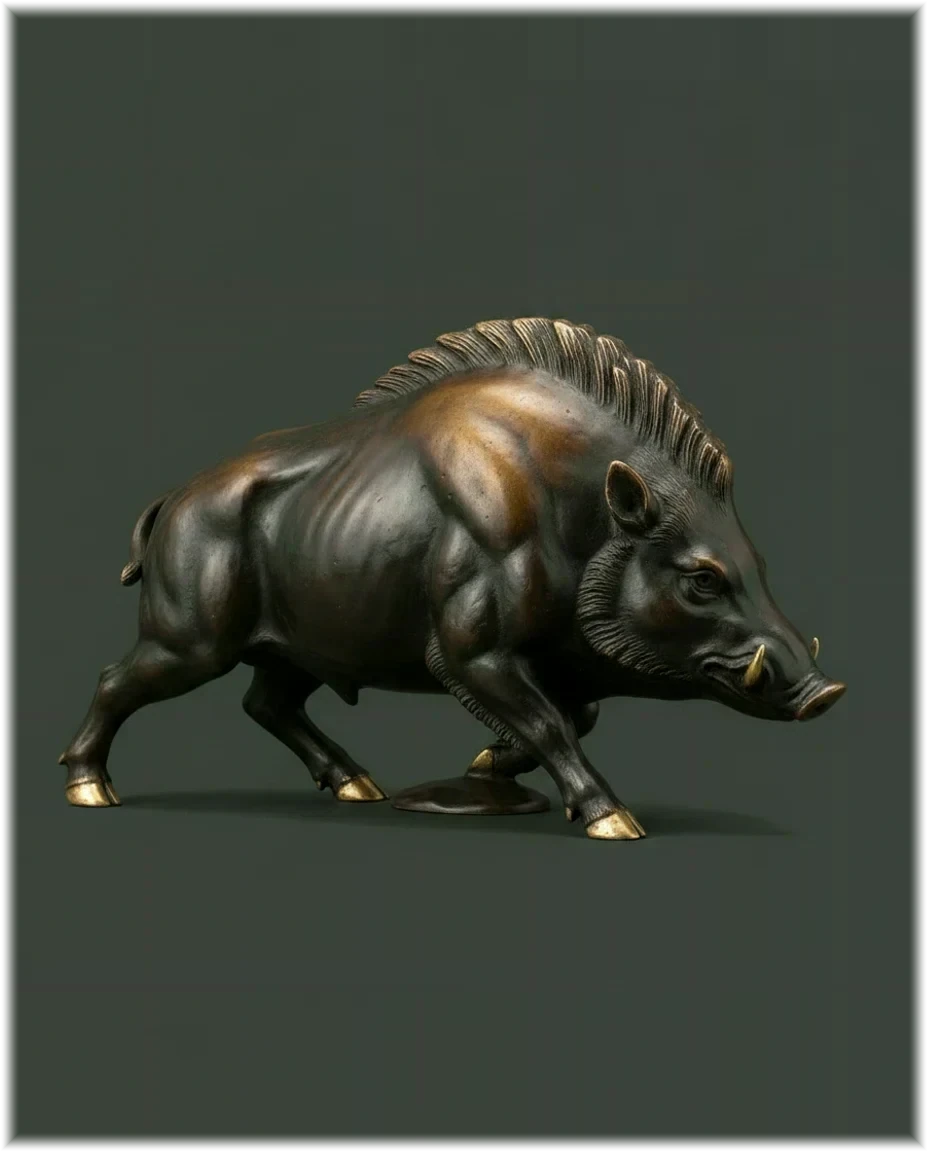
In 1611 the lord of Kaga, Maeda Toshinaga, brought seven casters to his new castle town of Takaoka and let them off their taxes. They began with pots and ploughs. Bells, Buddhas and vases came later. Most of the bronze cast in Japan still comes from Takaoka.
The sand or clay mould is broken to free the metal, so every casting needs a mould of its own.
The colour is not paint
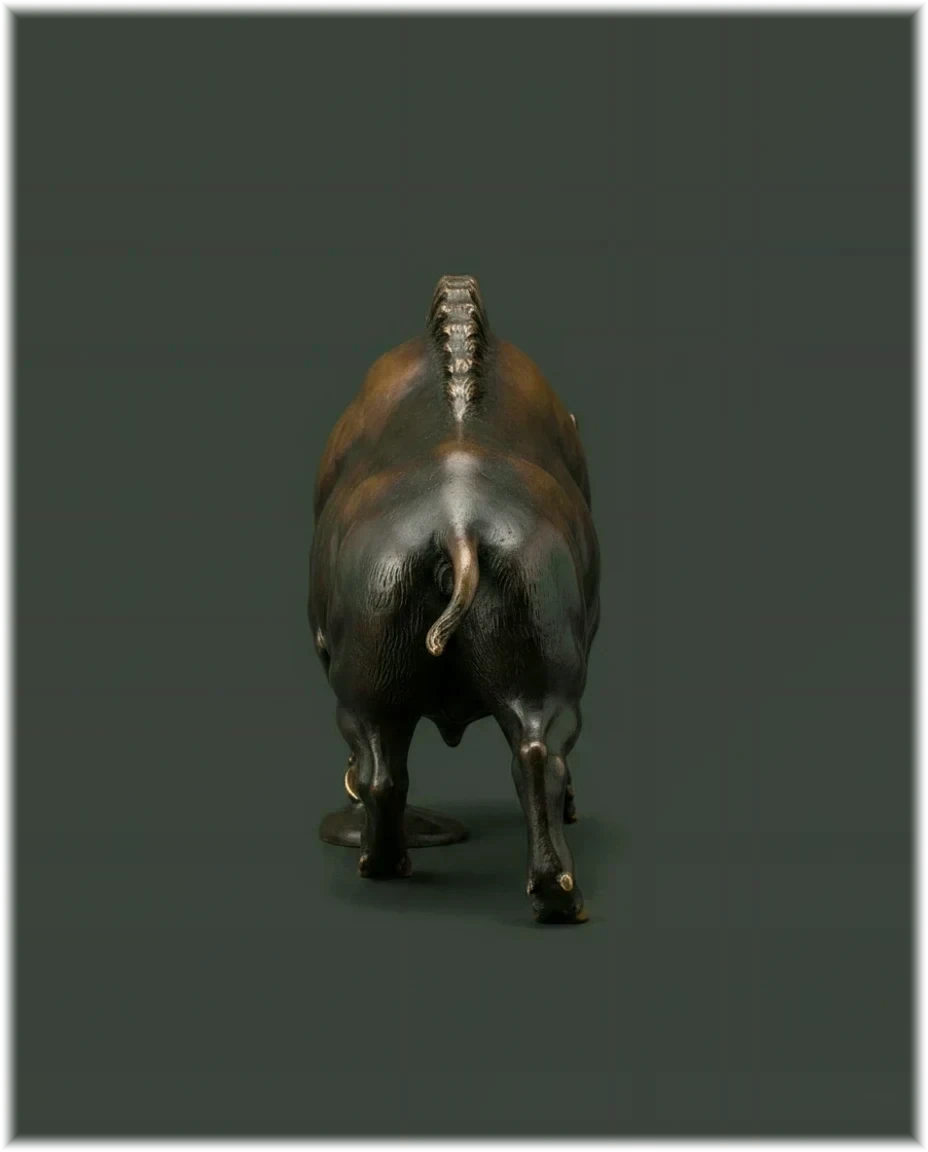
Fresh bronze has the pinkish gold of a new coin. The browns, blacks and greens you see are drawn out of the metal itself, with heat and with chemical baths, a layer at a time. Each workshop has its own ways of doing it.
Never scrub the kettle
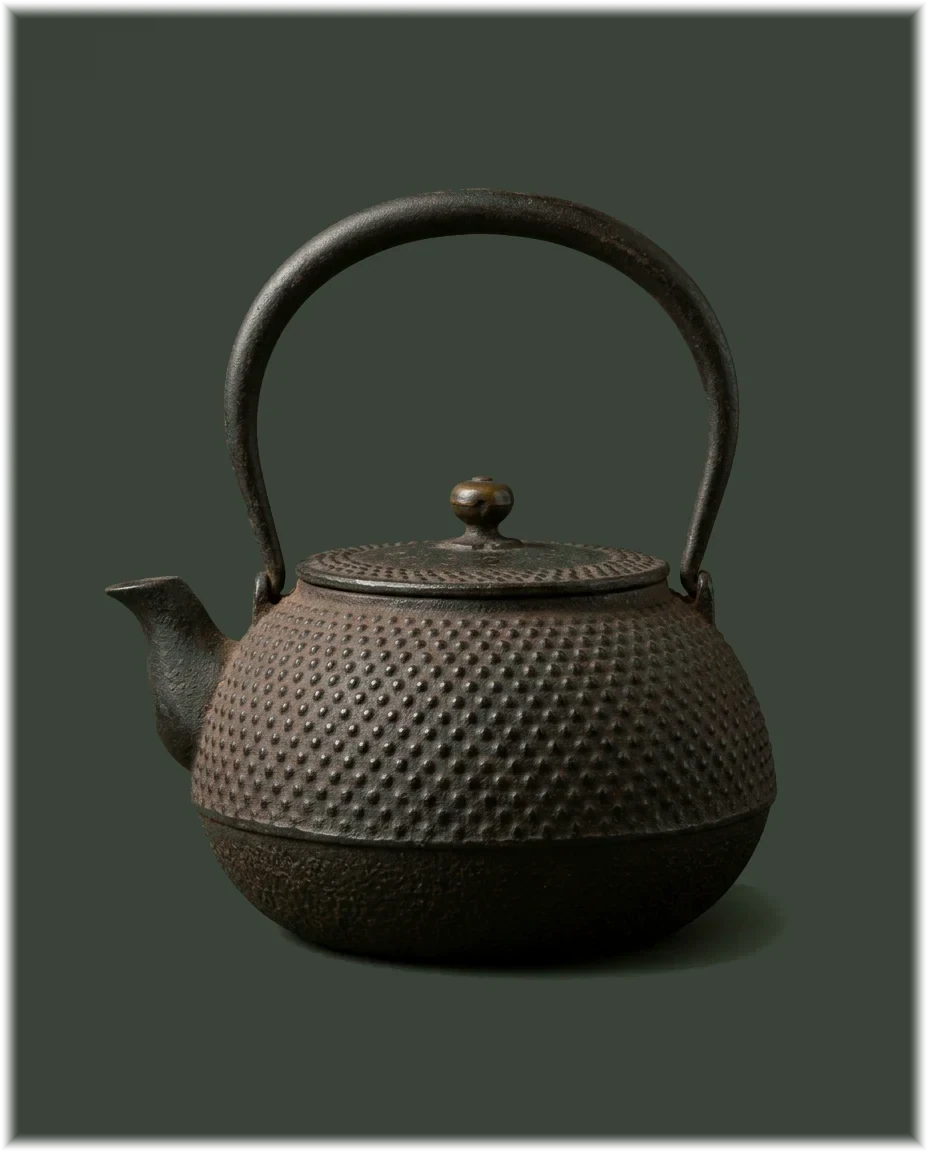
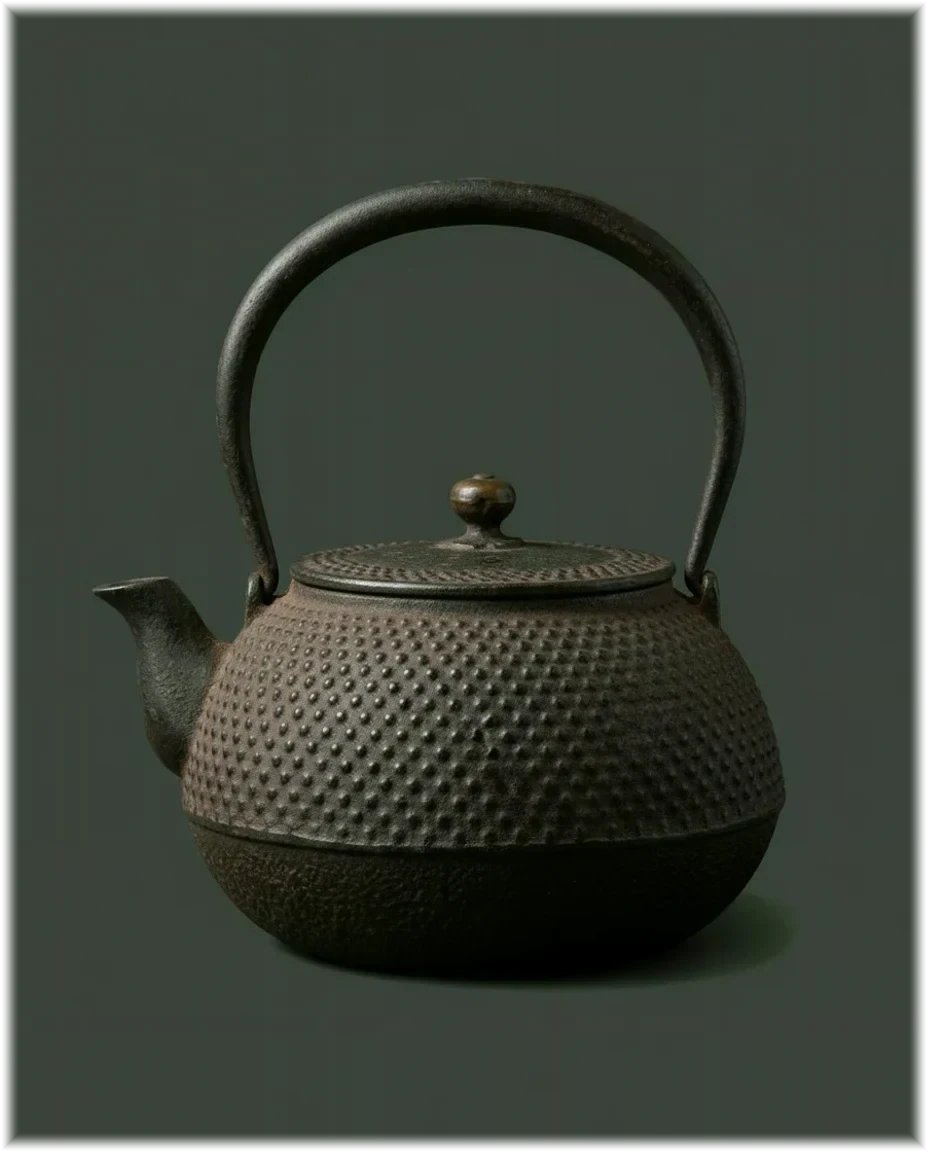
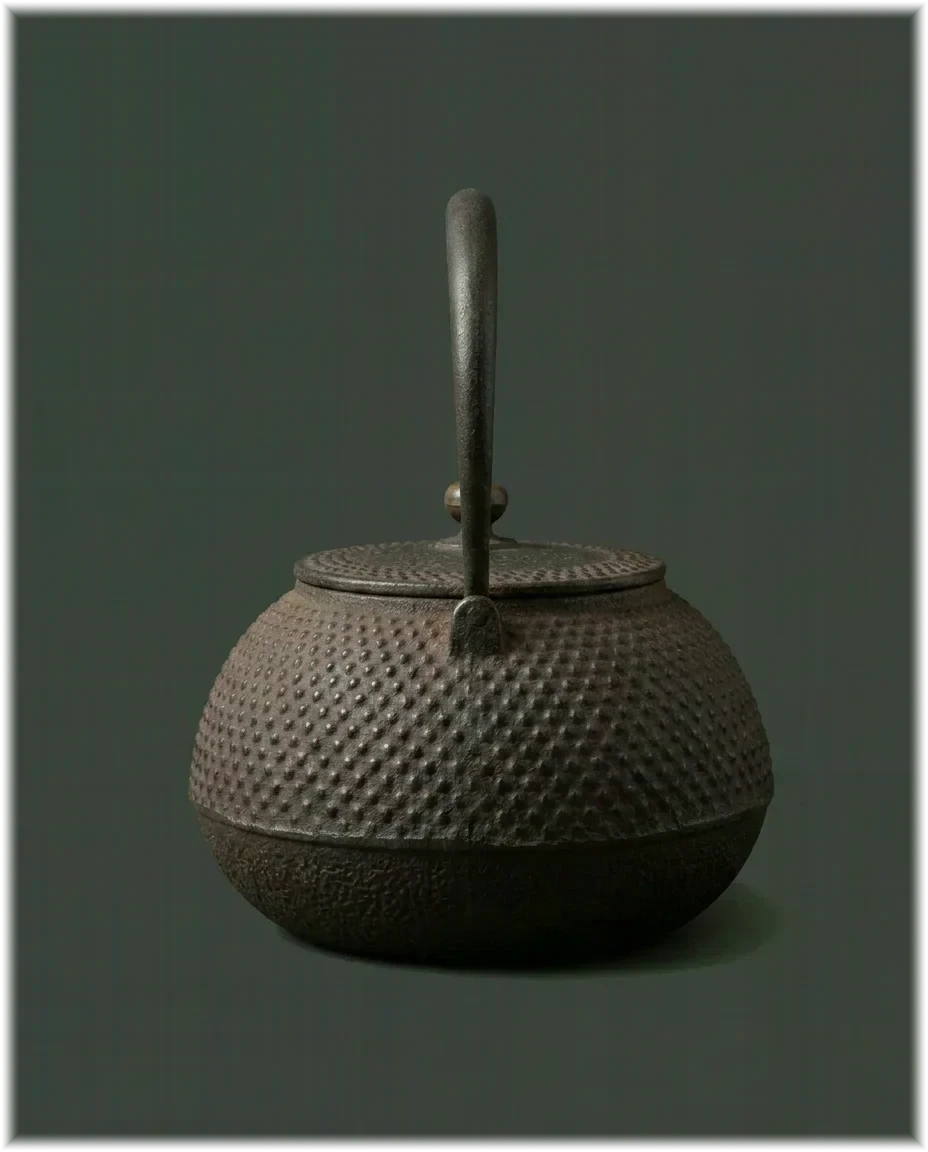
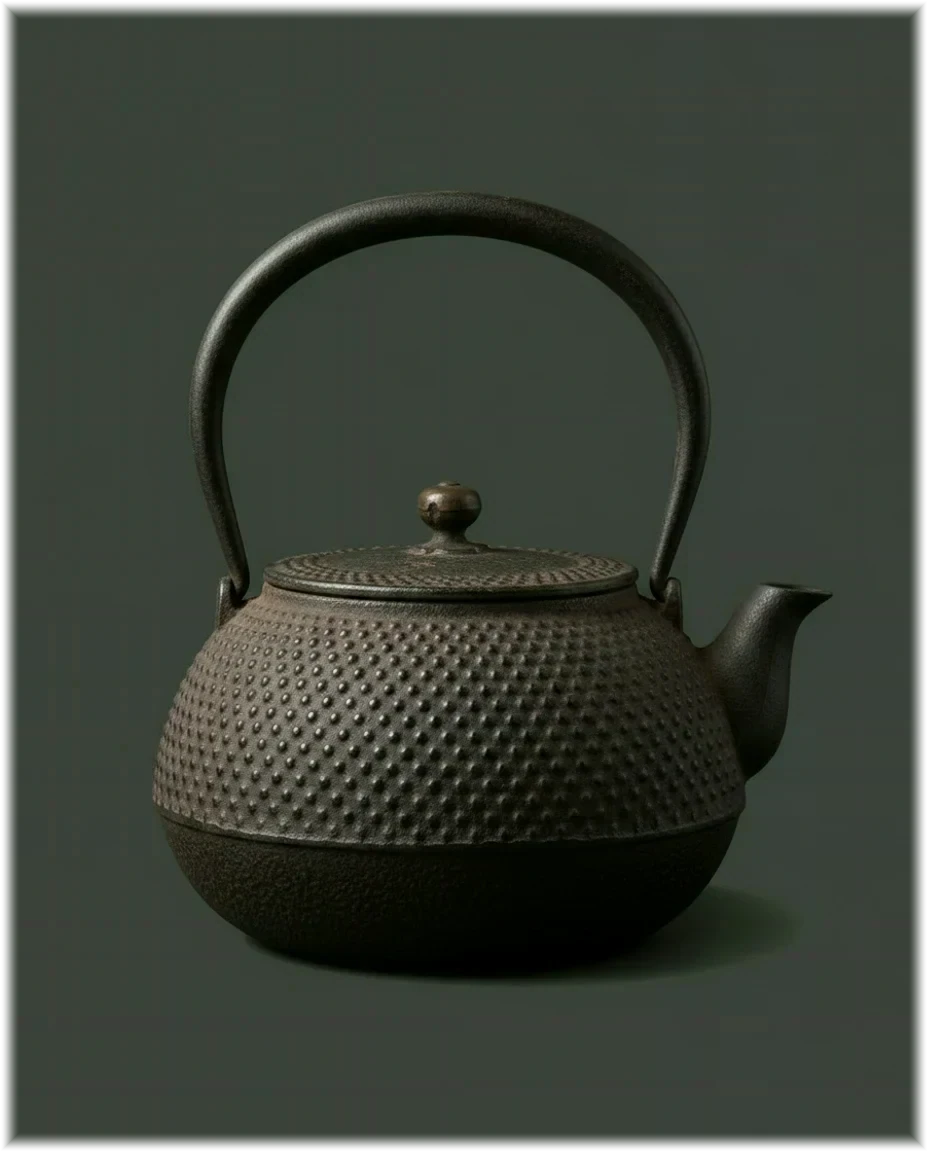
In Iwate, in the north, the Nambu domain has cast iron since the 1600s. Its kettles, tetsubin, are said to make boiled water taste softer.
With use, a white crust of minerals forms inside. Owners are told never to scrub it away: it keeps the iron from rusting, and it shows the kettle has been used well. A tetsubin is not finished when it is sold. The person who uses it finishes it.

Metal
Poured in one town for four hundred years, and gilded so the gold could wear away.
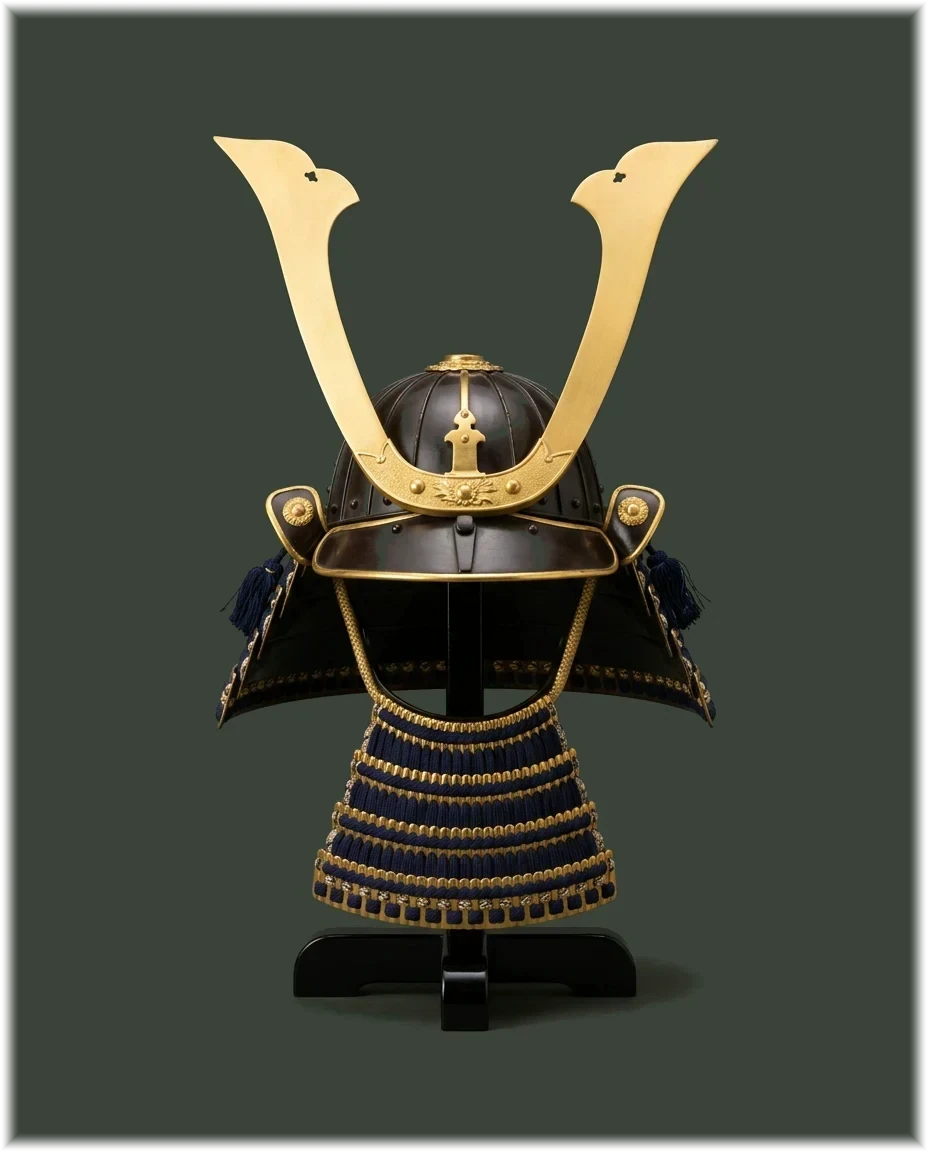
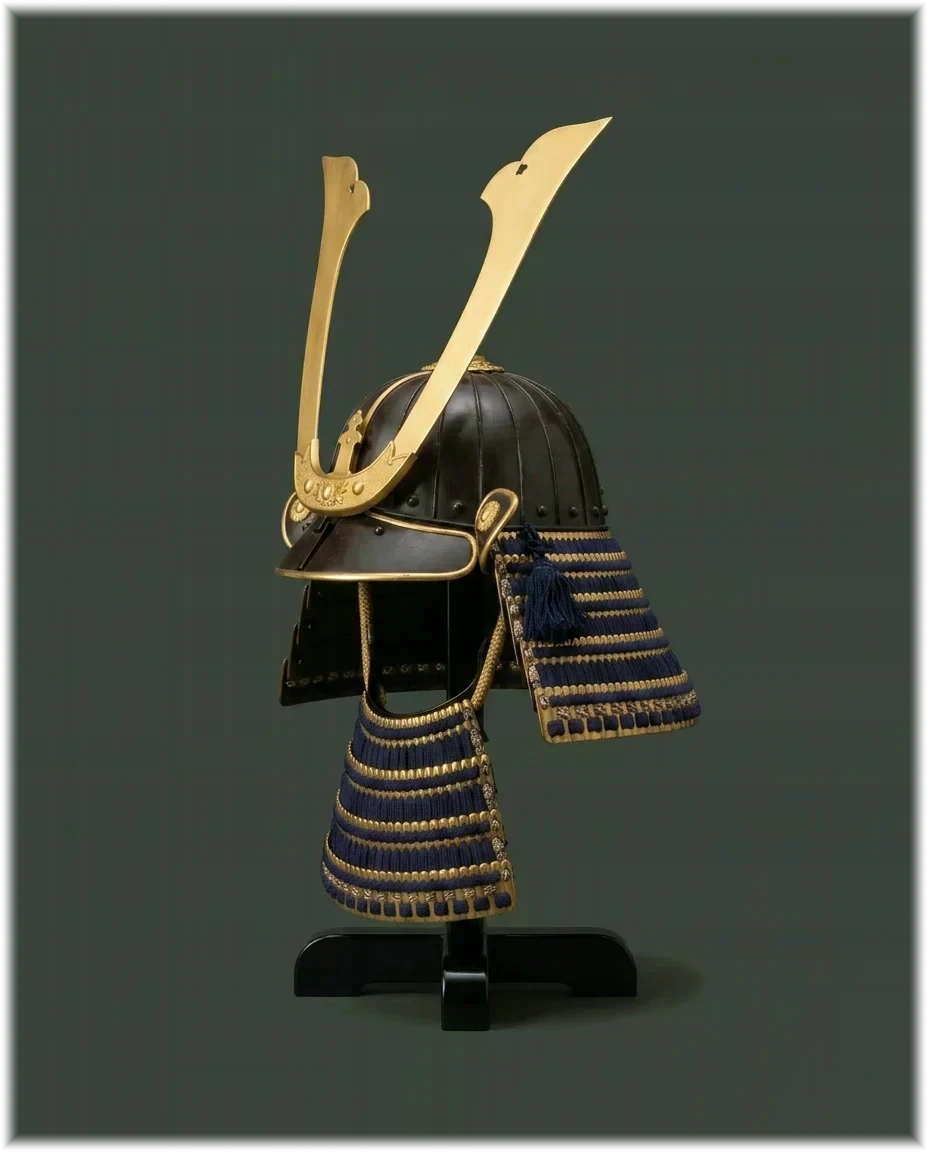
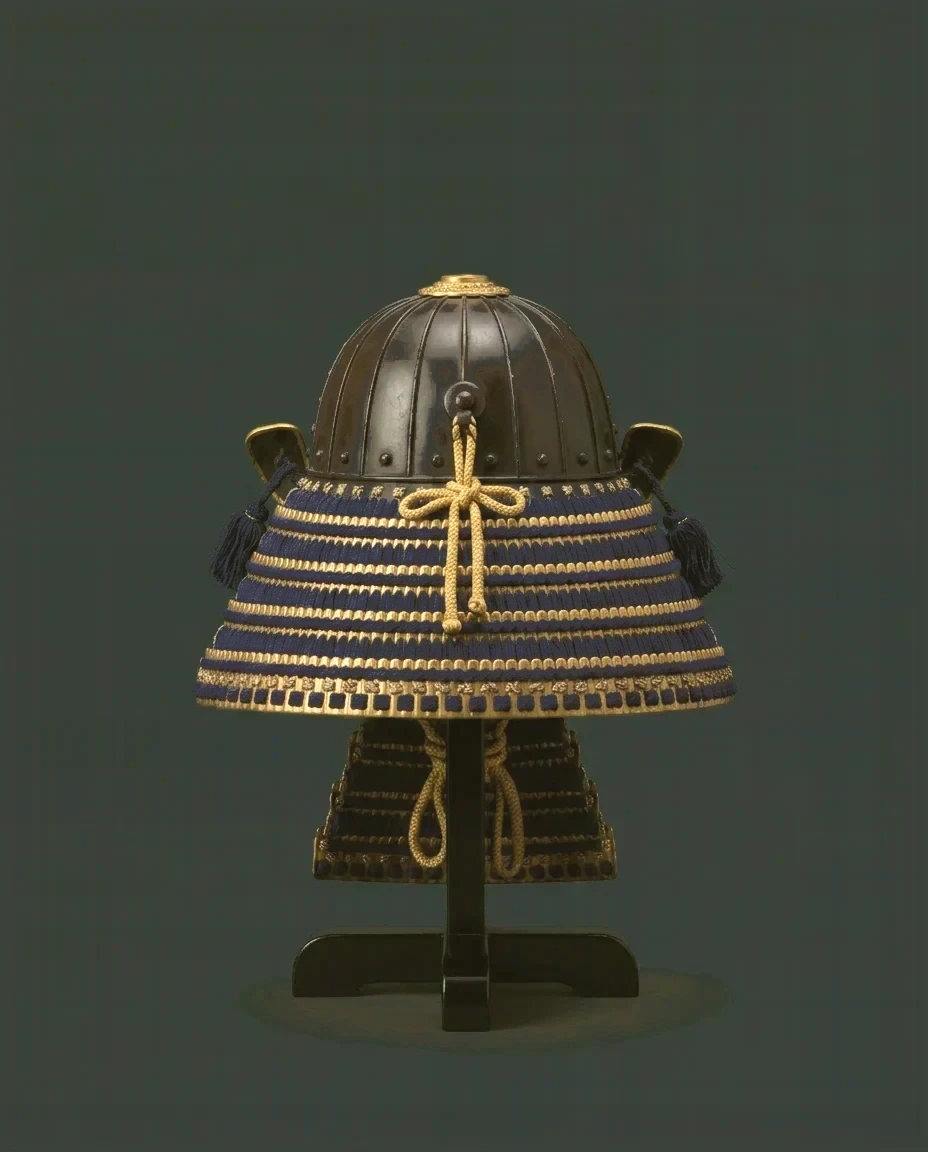
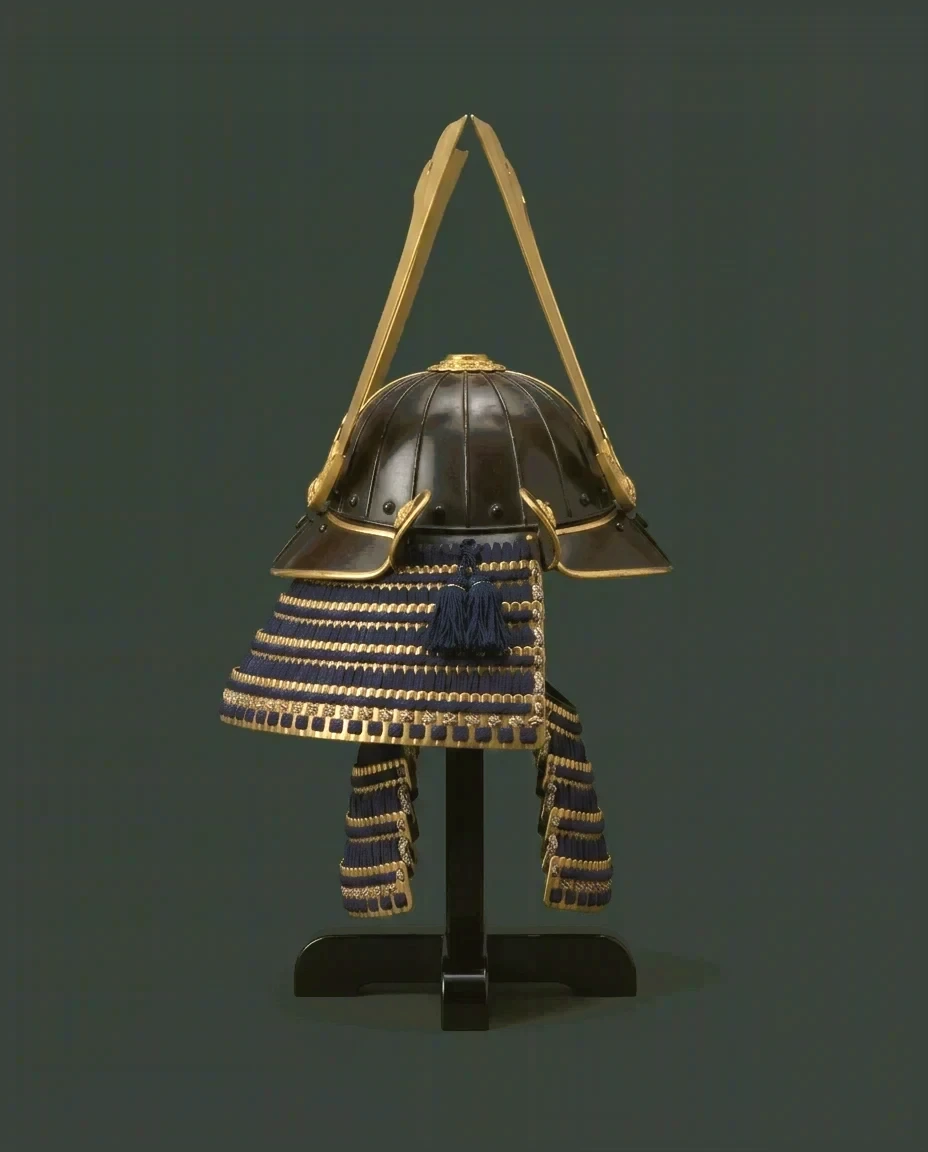
Ask us to look
Tell us what you are after. We live in the country where these things are, and we will go and look for it.
- You describe itWhat you are after, roughly what you want to spend, and whether there is a date it matters by. Vague is fine — “a clay bell for the year my daughter was born” is enough to start.
- We go and lookMorning markets, dealers we know, auction houses, and families clearing an old house. Sometimes the thing turns up the same week. Sometimes it takes months. Sometimes it never turns up at all.
- You decidePhotographs in daylight, measurements, condition described plainly including the chips, and what it would cost delivered to your door. If it is not right, you say so and that is the end of it.
On the shelf now:Takaoka bronze · 4Kabuto-kazari · 1The Seven Lucky Gods · 2
Next cabinet
Cloth
Around 1800 a twelve-year-old girl unpicked a faded indigo garment to find where its white spots came from. A whole town still weaves what she found.
Open the cabinet →