焔Maison HomuraShop
← All cabinets
五 · 6 pieces

The cloth cabinet

Cloth is the one craft here where the pattern is settled before anything is made. The thread is measured, tied, dyed and counted first. The loom only lays down what the thread already knows.

Swipe to the shelves →
一

The girl and the white spots

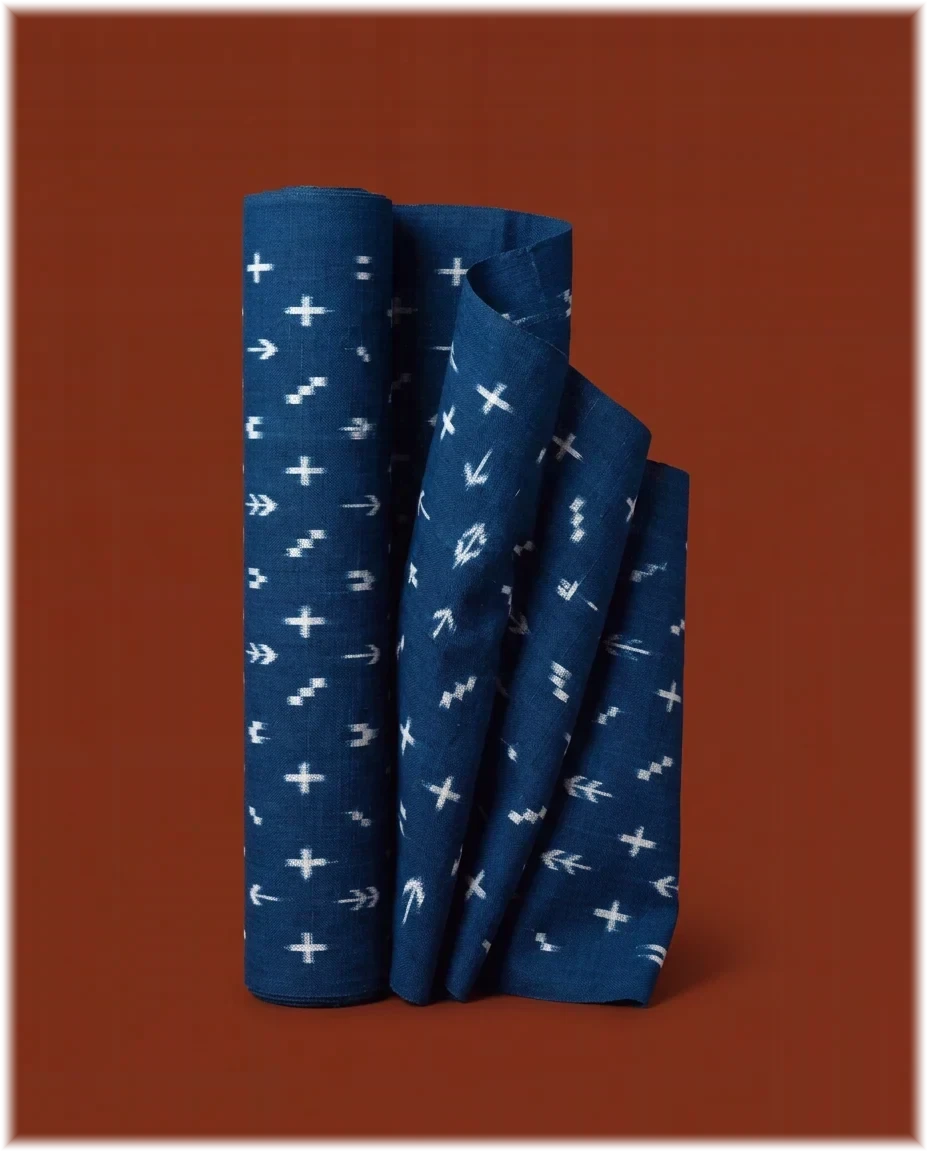
Inoue Den was twelve, in Kurume, when she noticed white flecks in an old indigo garment washed pale. She pulled it apart, tied off bundles of thread before dyeing to make the flecks again, and wove them. That is kasuri: the pattern made in the thread, not printed on the cloth.

By her late thirties she had more than a thousand pupils. Kurume kasuri is still tied by hand and dipped in indigo again and again. The slight blur at the edge of each mark is how you know.

二

The obi that squeaks

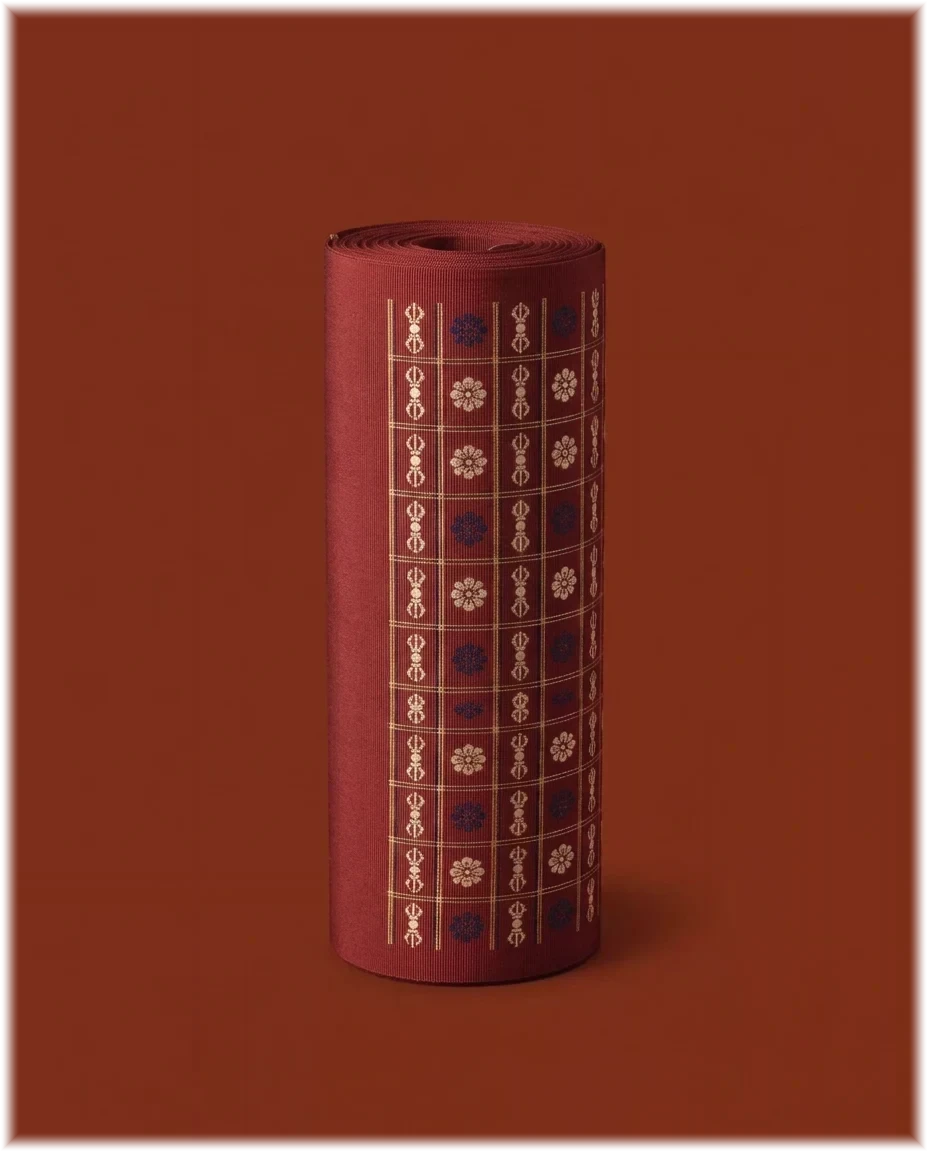
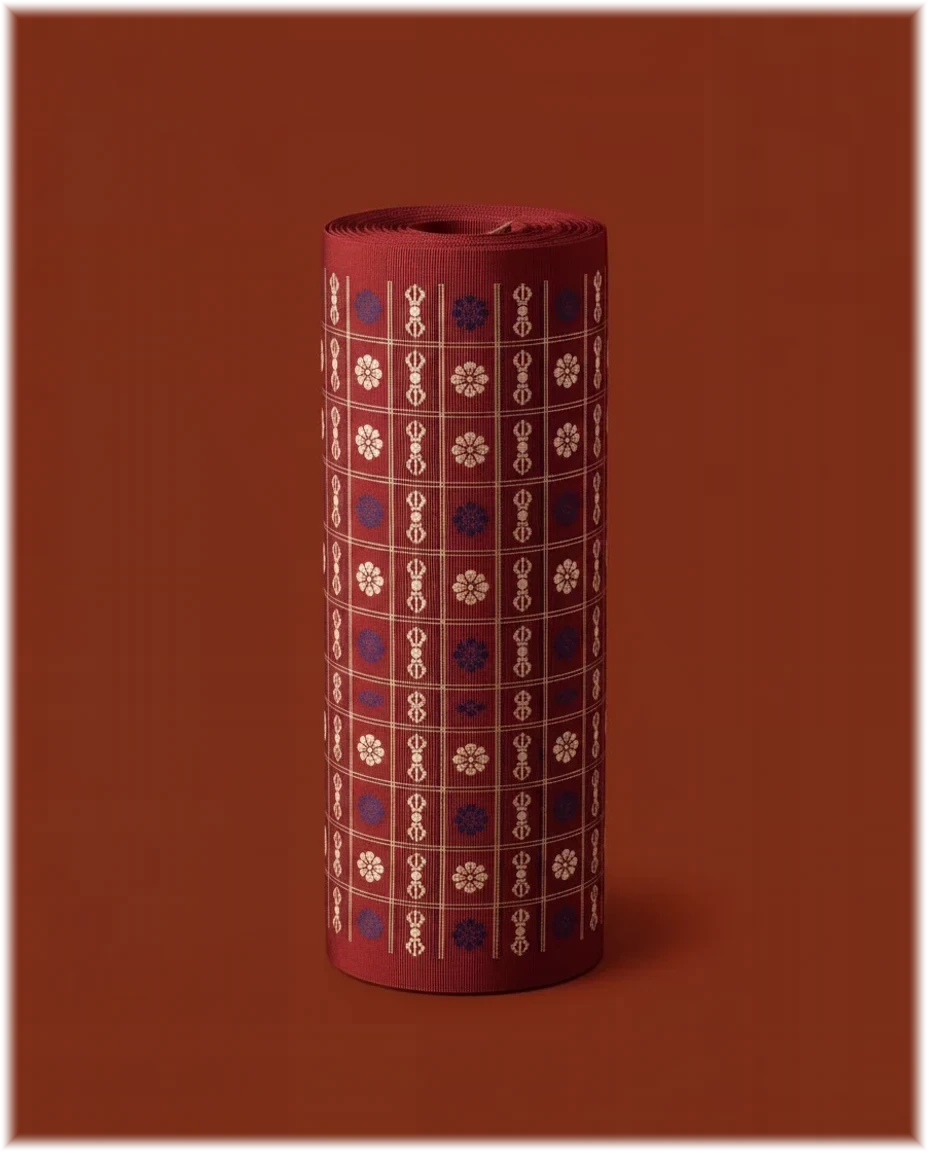
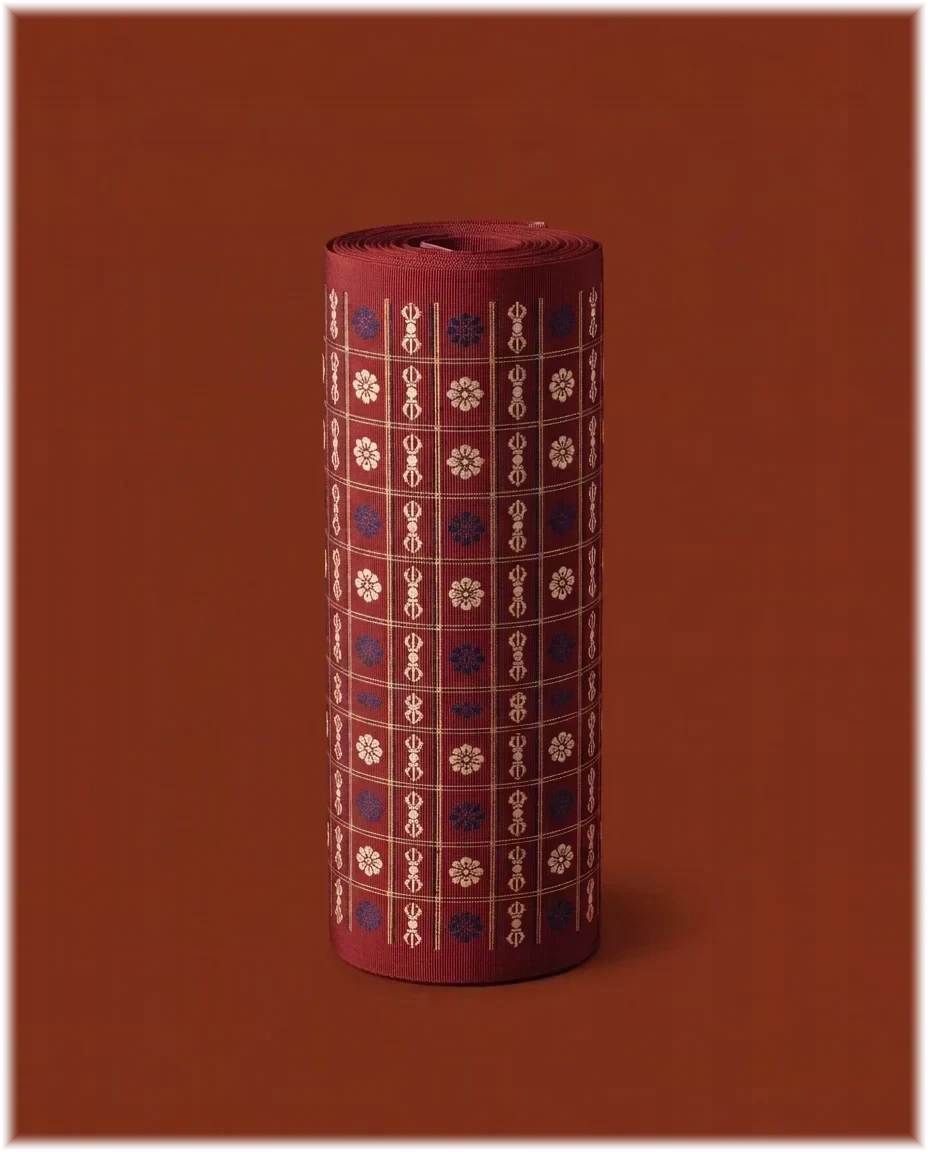
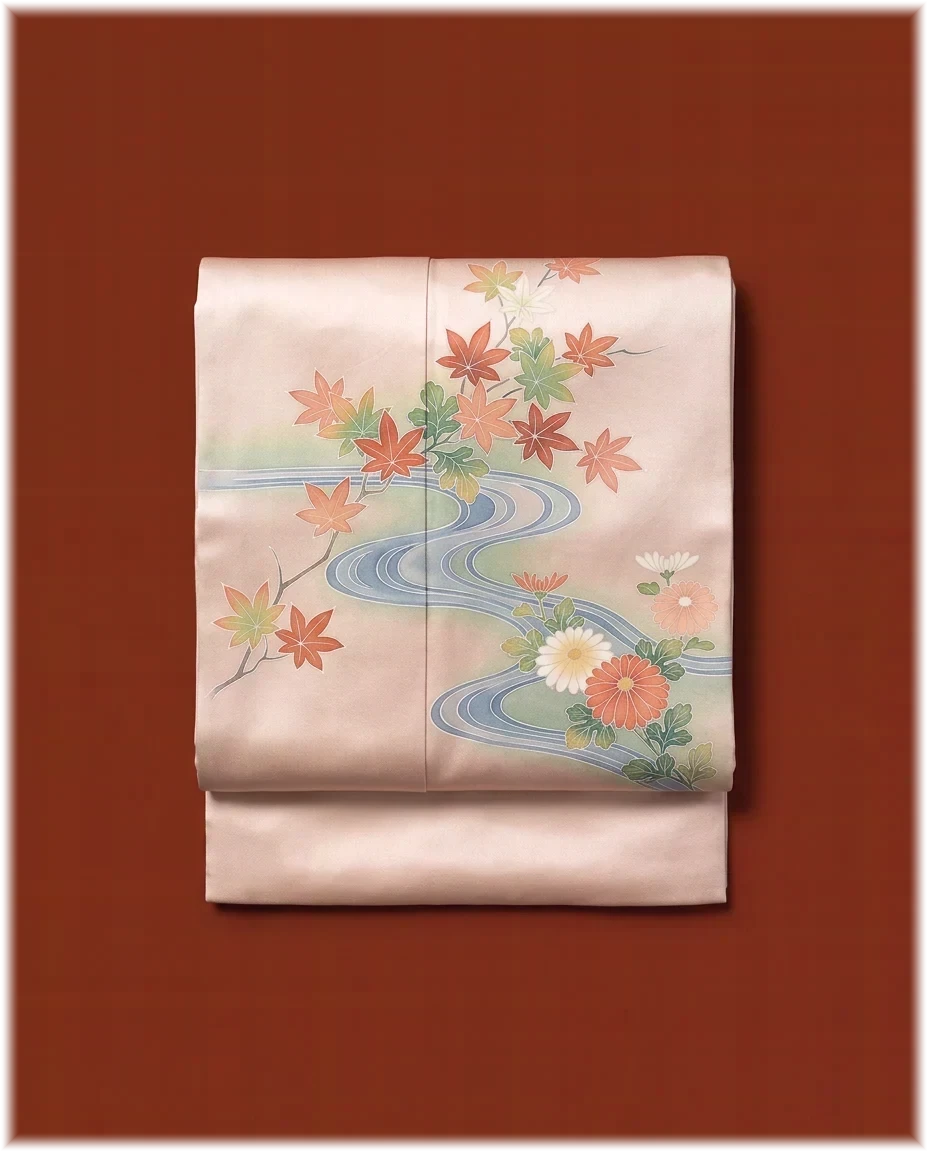
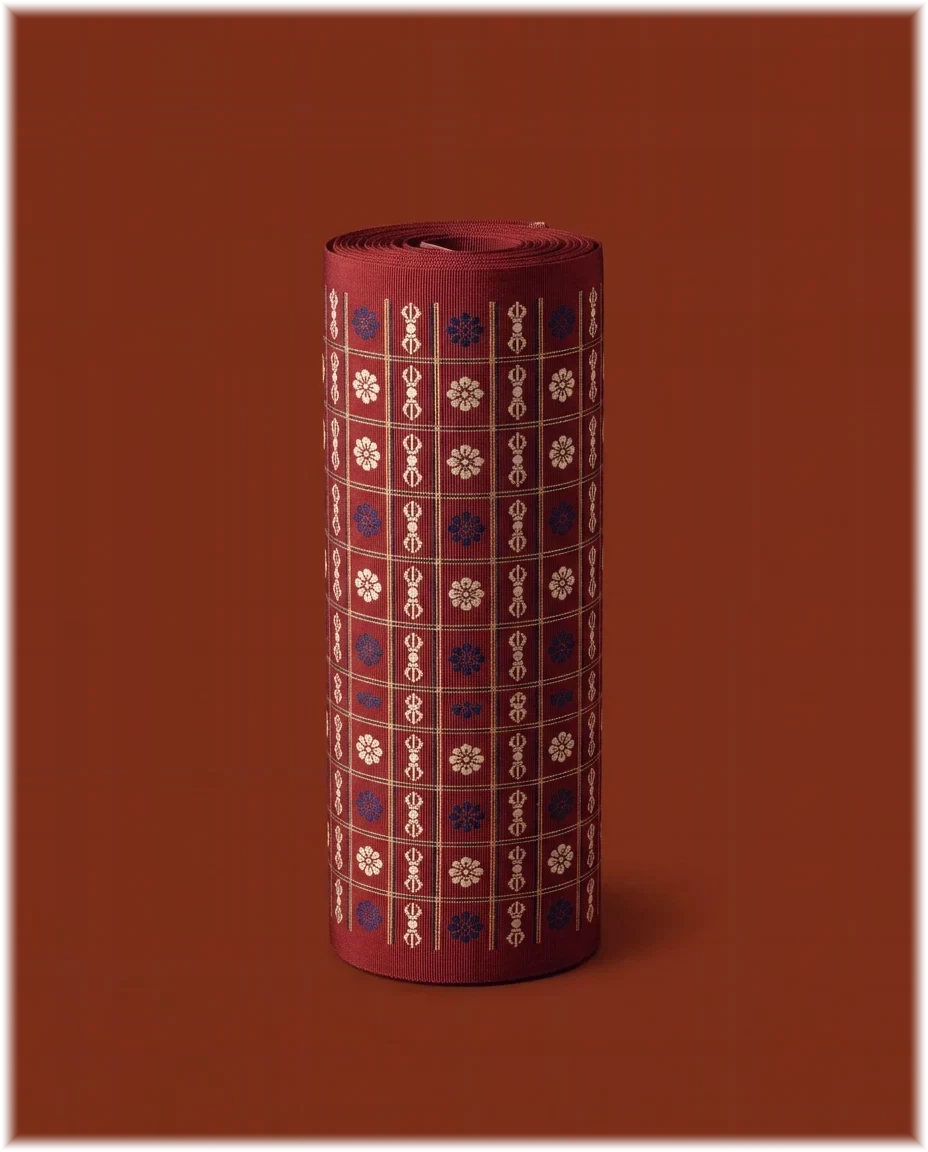
In 1241 a Hakata merchant, Mitsuda Yazaemon, came home from Song China with its weaving methods. What grew from them, Hakata-ori, is woven so firm that an obi tied from it stays put all day, and the silk squeaks as it is pulled tight. There is a word for that sound: kinunari.

Samurai wore it. Sumo wrestlers still do. The Kuroda lords sent Hakata cloth to the shogun as tribute, in a pattern of Buddhist ritual tools that is still woven today.

三

Warmth, one stitch at a time

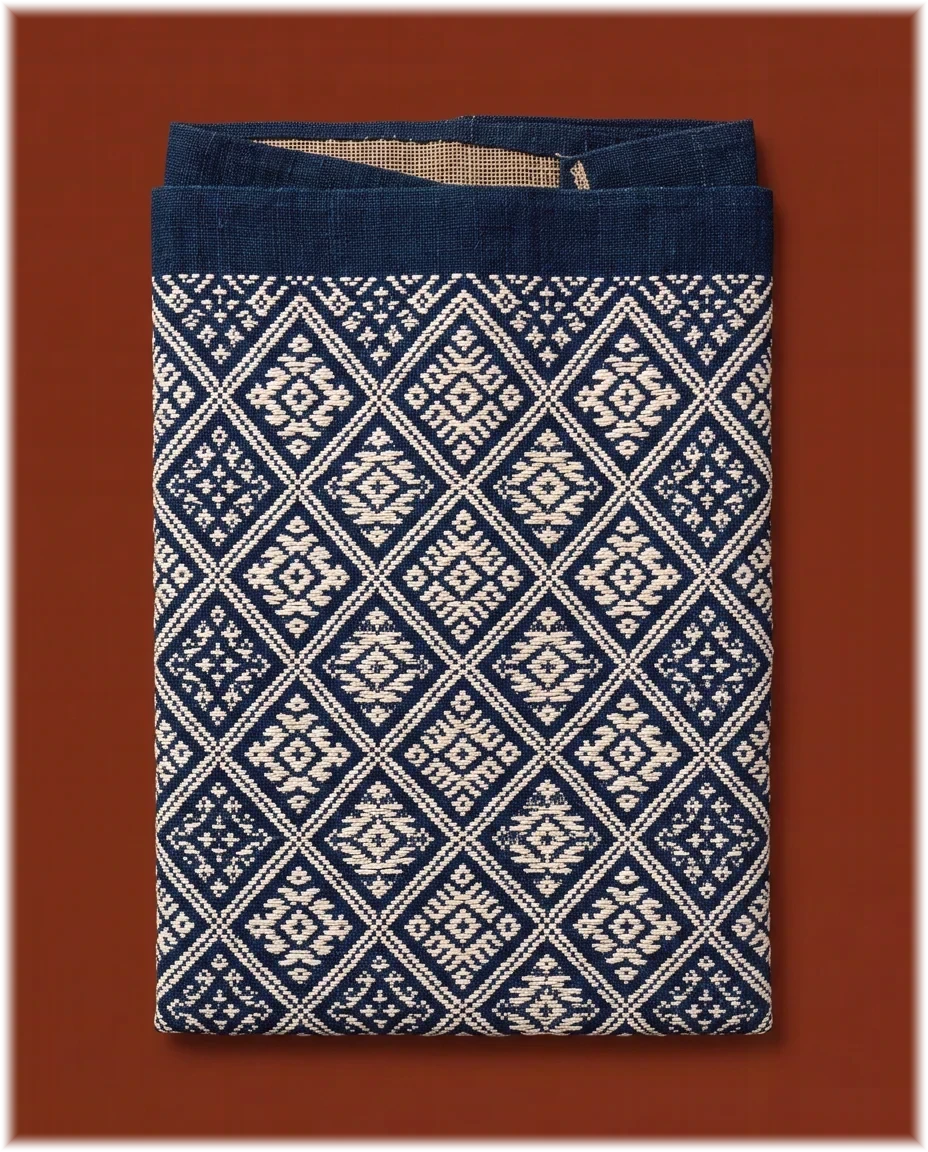
In Tsugaru, in the far north, farmers were not allowed to wear cotton. Their hemp let the wind through, so women stitched cotton thread into it, row after row, in patterns counted over the weave. Kogin made the cloth warmer and stronger, and it was almost the only way they had to make it beautiful.

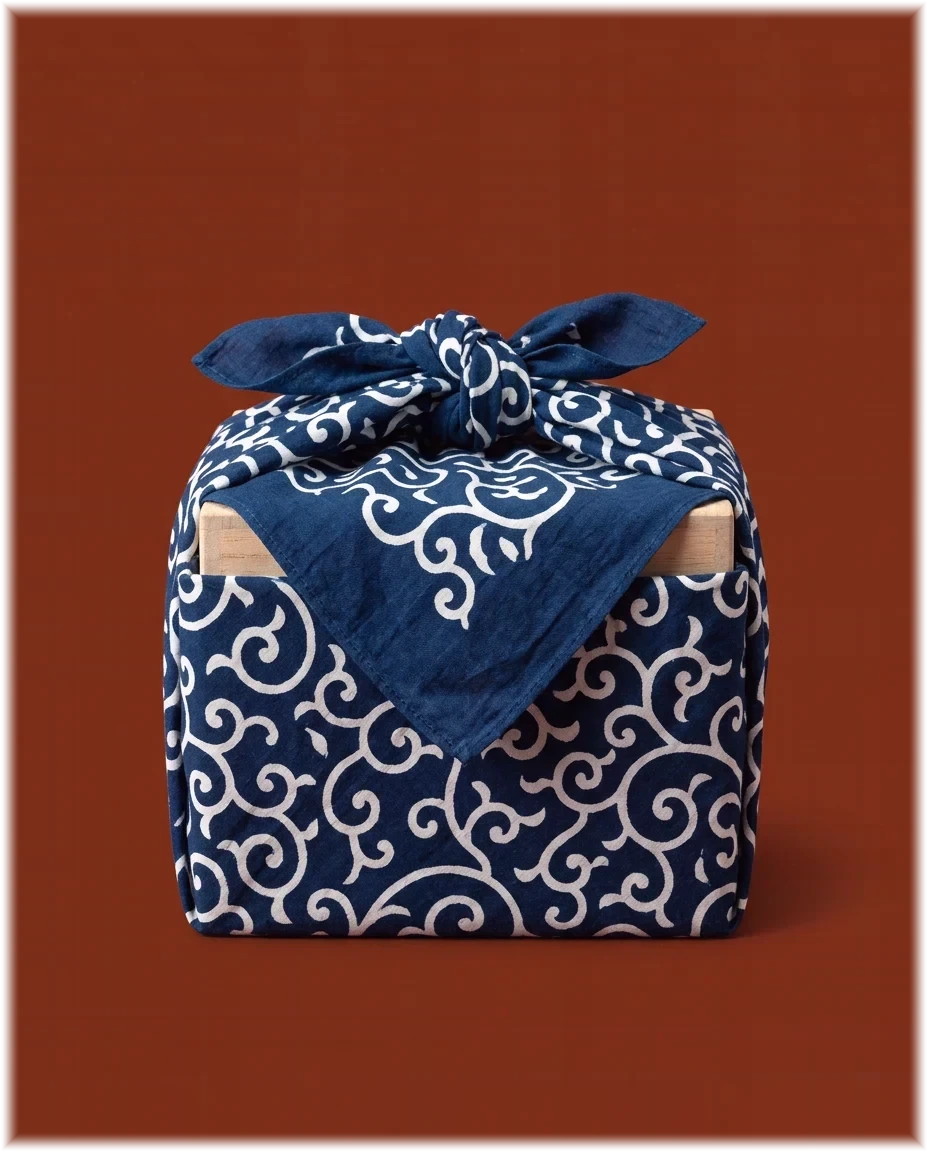
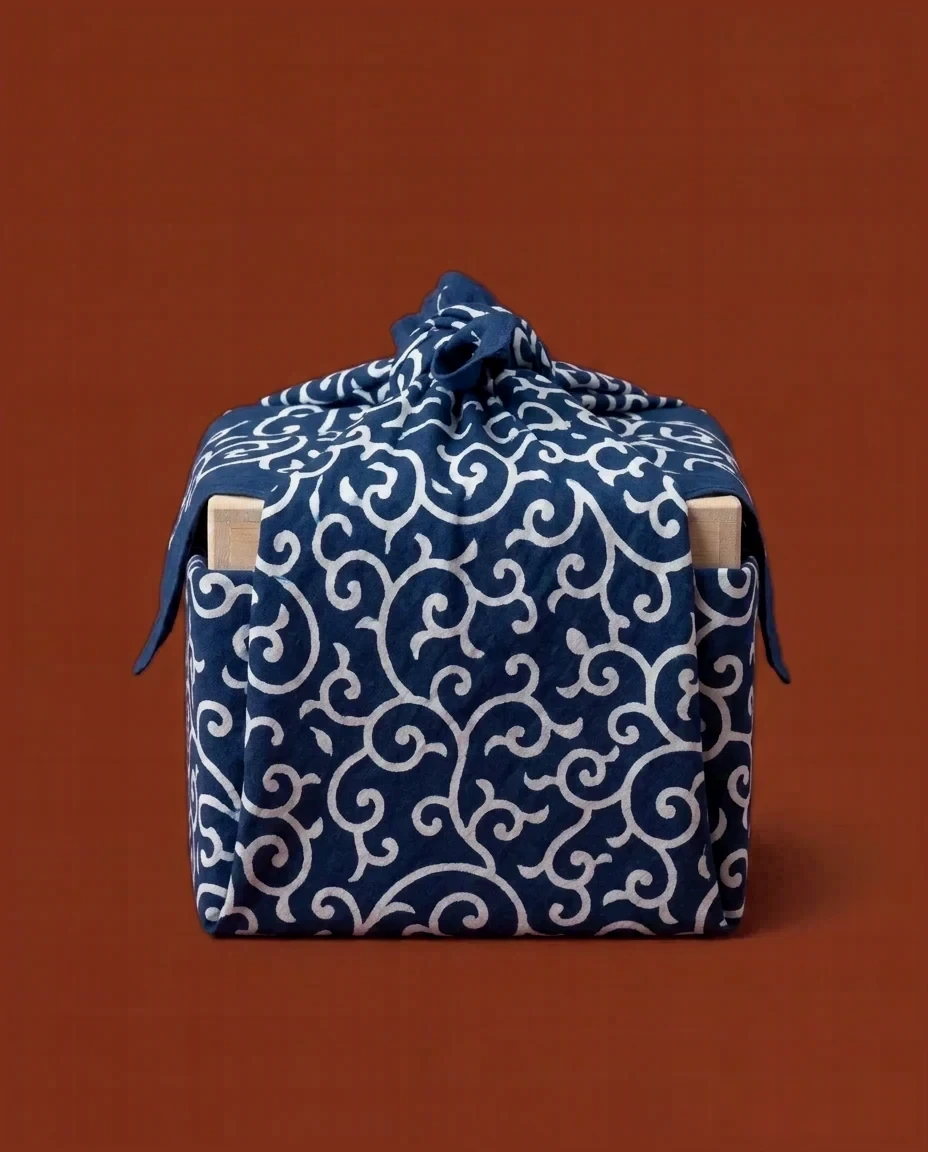
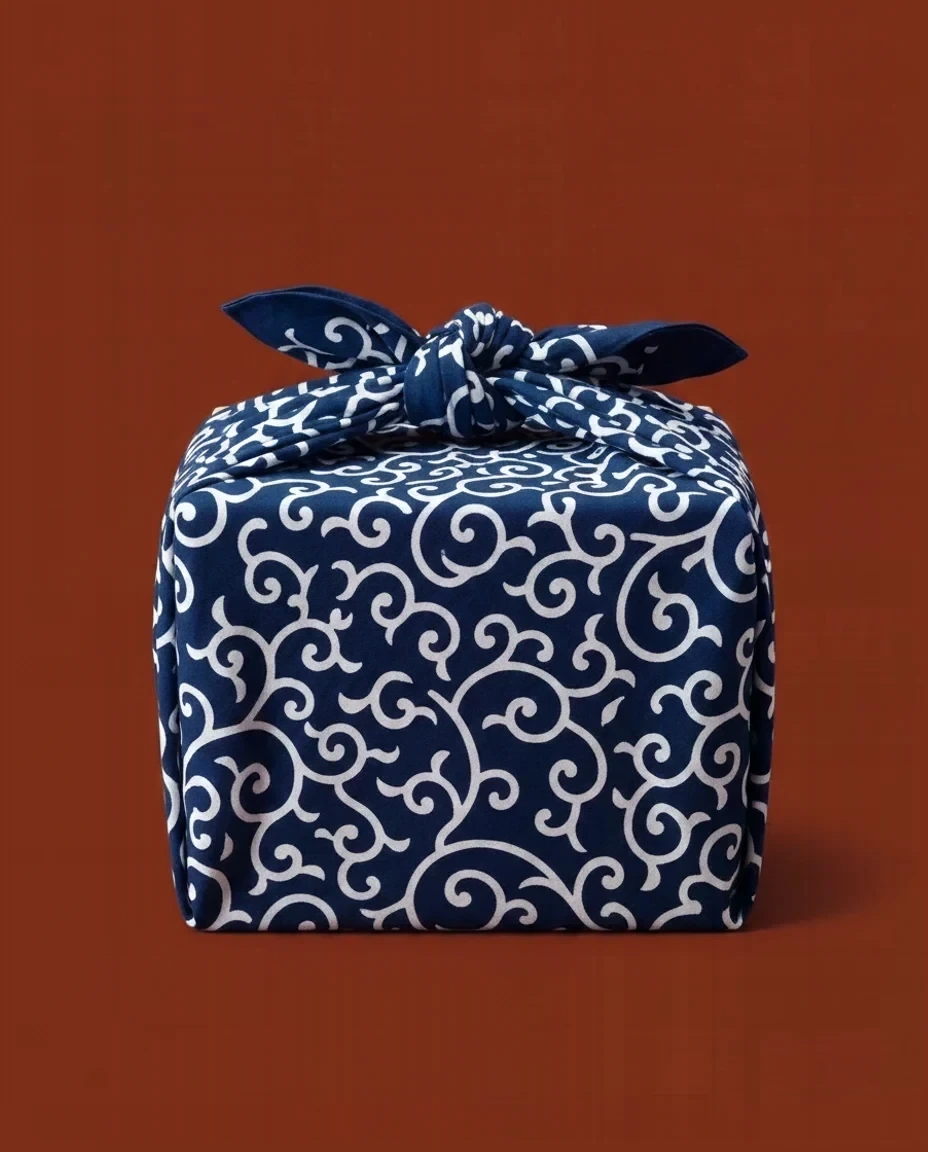
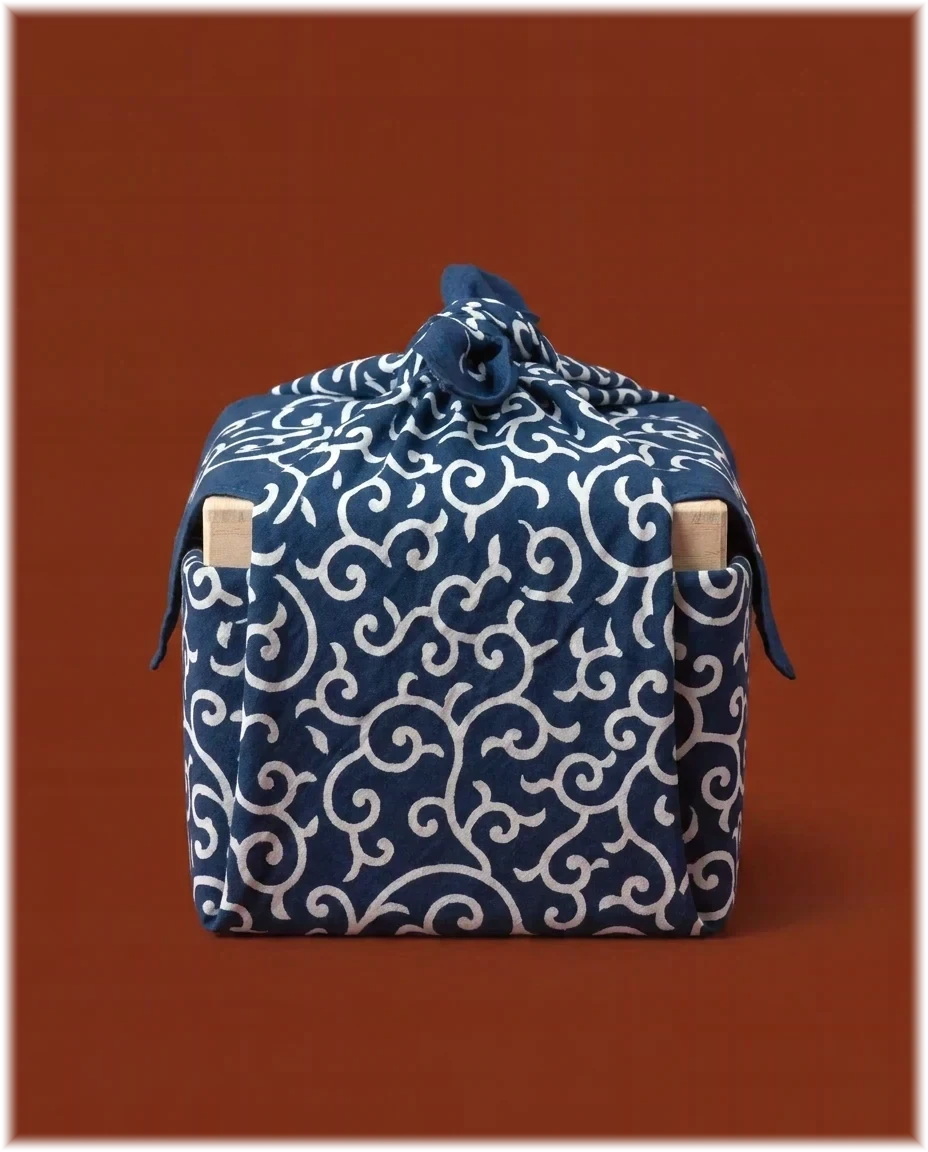
Furoshiki began in the bathhouses, as a cloth to spread out and wrap your clothes in. The same square carries a gift today, and the knot is part of the present.

Furoshiki, obi, indigo kasuri and silk dolls — the pattern is planned in thread.
05五

Cloth

Dyed before it is woven, so the pattern has to be planned in thread.
Hakata-ori
博多織Hakata-oriFukuoka
Kurume-gasuri
久留米絣Kurume-gasuriKurume, Fukuoka
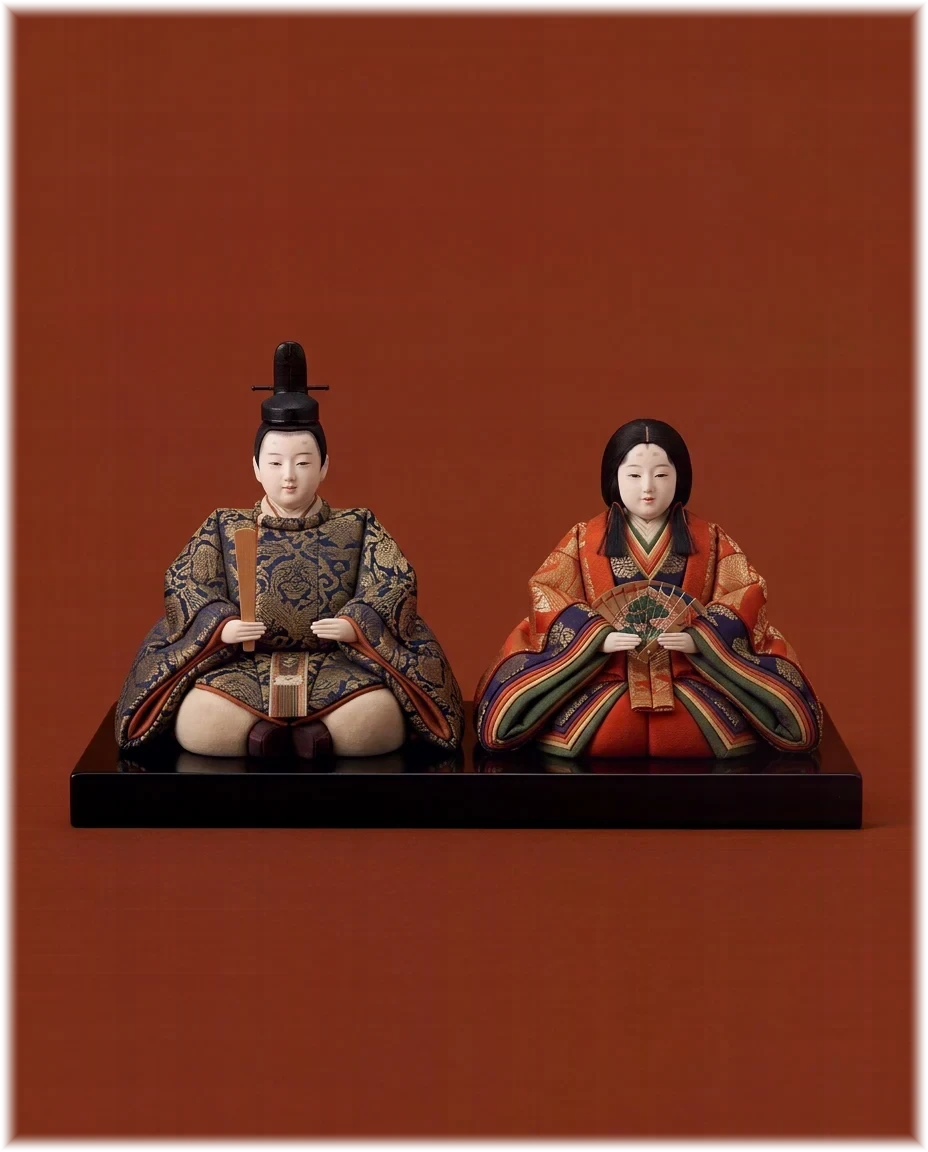
Kimekomi hina dolls
木目込雛Kimekomi hina dollsTokyo
Yūzen
友禅YūzenKyoto
Kogin-zashi
こぎん刺しKogin-zashiTsugaru, Aomori
Furoshiki
風呂敷FuroshikiEverywhere in Japan
What this house actually does

Ask us to look

Tell us what you are after. We live in the country where these things are, and we will go and look for it.

  1. You describe itWhat you are after, roughly what you want to spend, and whether there is a date it matters by. Vague is fine — “a clay bell for the year my daughter was born” is enough to start.
  2. We go and lookMorning markets, dealers we know, auction houses, and families clearing an old house. Sometimes the thing turns up the same week. Sometimes it takes months. Sometimes it never turns up at all.
  3. You decidePhotographs in daylight, measurements, condition described plainly including the chips, and what it would cost delivered to your door. If it is not right, you say so and that is the end of it.
Ask us to look →

Next cabinet

Paper

Sold without eyes. Knocked over on purpose. Carried back at the turn of the year to be burned, and bought again.

Open the cabinet →

← All cabinets

Fukuoka
博多織

Hakata-ori

Fukuoka · Woven here since 1241

The obi that does not come undone. That is the whole reputation.

In 1235 a Hakata merchant named Mitsuda Yasozaemon sailed to Song China with the monk Enni Ben’en. He came back six years later with a way of weaving, and his family spent the next two centuries making it denser.

At the maker's bench
Front
Left
Back
Right
Read the full account →
Kurume, Fukuoka
久留米絣

Kurume-gasuri

Kurume, Fukuoka · From about 1800

Worked out by a twelve-year-old girl who was looking at a worn-out cloth.

Around 1800 a girl in Kurume named Inoue Den unpicked an old indigo garment and noticed that where it had worn, the thread showed white in flecks. She reasoned backwards: if you could put those white flecks into the thread on purpose, before weaving, the pattern would appear as the cloth came off the loom.

At the maker's bench
Front
Read the full account →
Tokyo
木目込雛

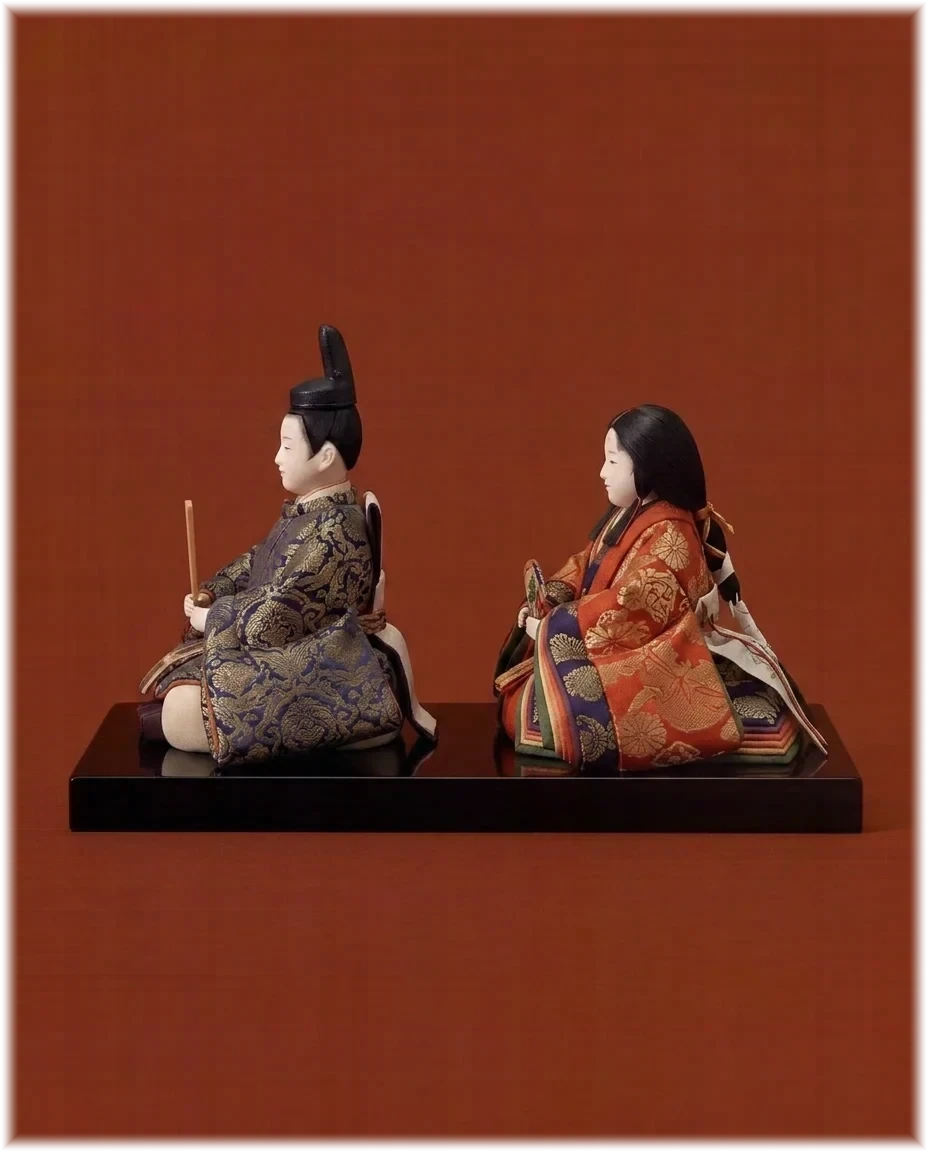
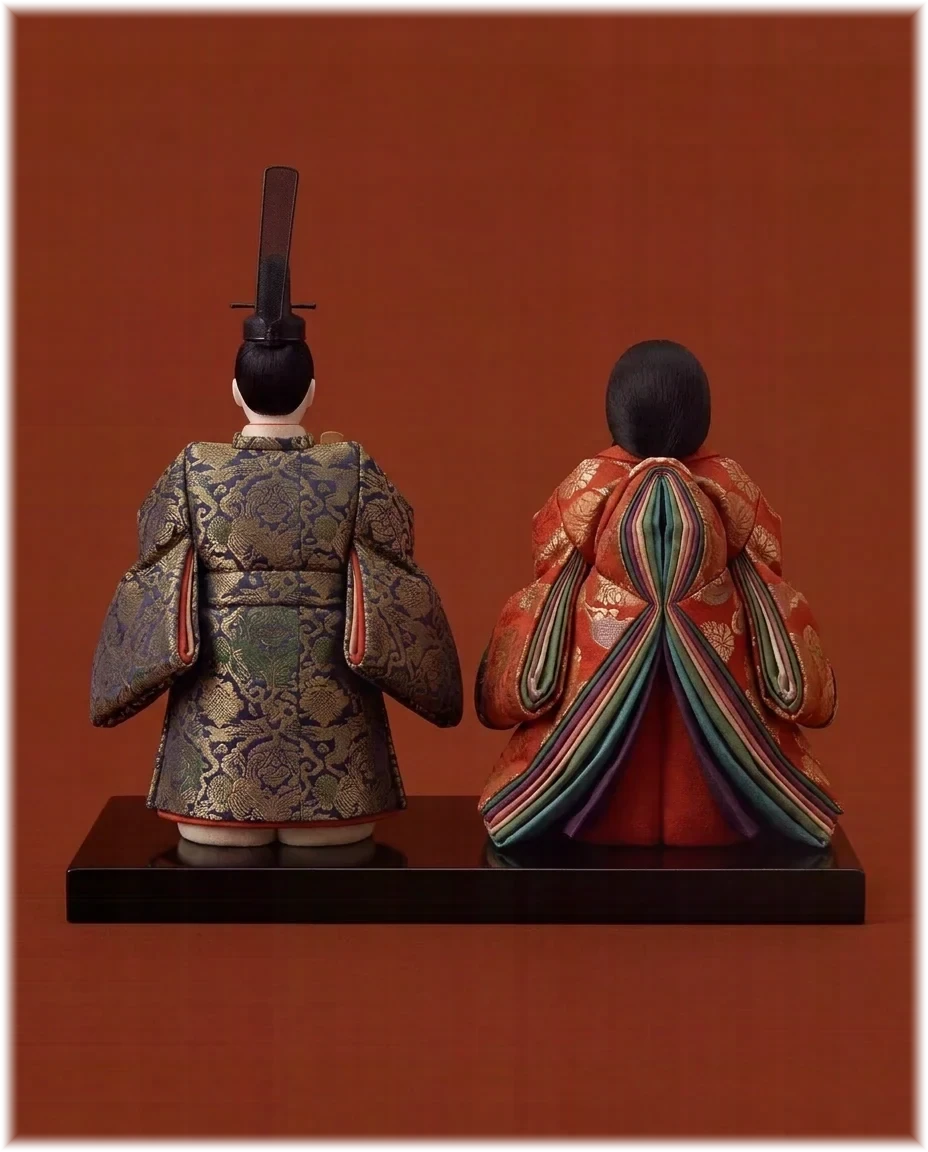
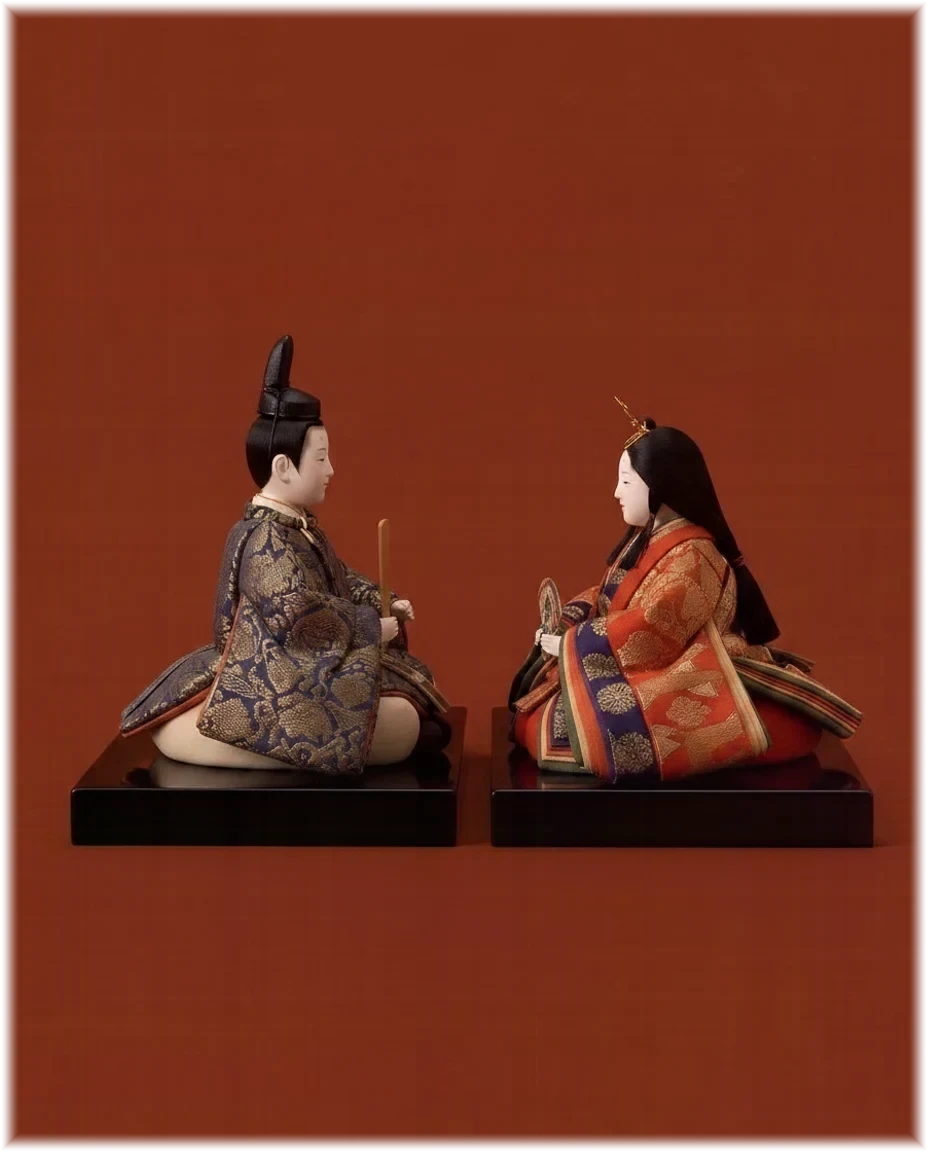
Kimekomi hina dolls

Tokyo · From the 1730s

Twelve layers of court robe between them, and not one visible stitch on either.

In the 1730s a carpenter at the Kamo shrine in Kyoto carved a small figure out of leftover willow wood, cut grooves in it, and tucked scraps of the shrine’s brocade into the grooves. No stitching, no visible edge. The dolls were called Kamo dolls, and the technique travelled to Edo.

At the maker's bench
Front
Left
Back
Right
Read the full account →
Kyoto
友禅

Yūzen

Kyoto · From the late 1600s

A fan painter worked out how to stop one colour running into the next, and silk became a canvas.

Until the late seventeenth century you could dye silk, but you could not paint on it: wet colour spreads along the fibre and every edge turns to mud. Then a Kyoto fan painter called Miyazaki Yūzensai found the answer, and it was rice paste.

At the maker's bench
Front
Read the full account →
Tsugaru, Aomori
こぎん刺し

Kogin-zashi

Tsugaru, Aomori · Edo period, out of necessity

Peasants were forbidden cotton. So they stitched cotton into hemp until it was warm.

In Edo-period Tsugaru the domain forbade farmers to wear cotton. Hemp was permitted, and hemp in the far north is a cold, open cloth. Cotton thread, however, was not the same thing as cotton cloth, and it could be got.

At the maker's bench
Front
Read the full account →
Everywhere in Japan
風呂敷

Furoshiki

Everywhere in Japan · Named in the Muromachi period

The name means bath spread. You stood on it while you undressed, then wrapped your clothes in it.

At a Muromachi bathhouse you spread your cloth on the floor, stood on it to undress, and knotted your clothes inside it while you bathed. Furo, bath; shiki, to spread. The name has outlived the practice by five hundred years.

At the maker's bench
Front
Left
Back
Right
Read the full account →

Your bag