The clay cabinet
Seven kilns, and one old argument: who finishes the pot, the fire or the hand? The answers are still on the shelf, and some of them change colour while you use them.
Where the fire decides
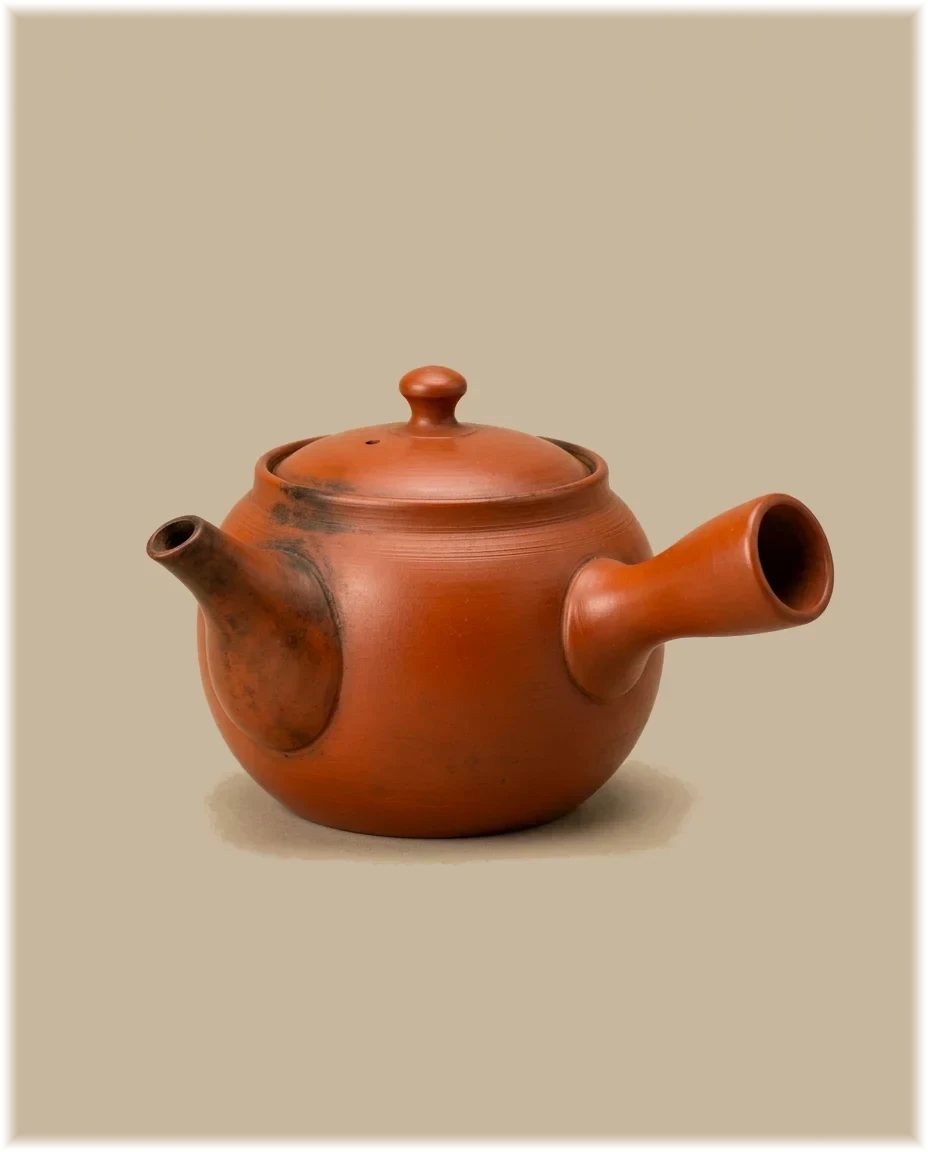
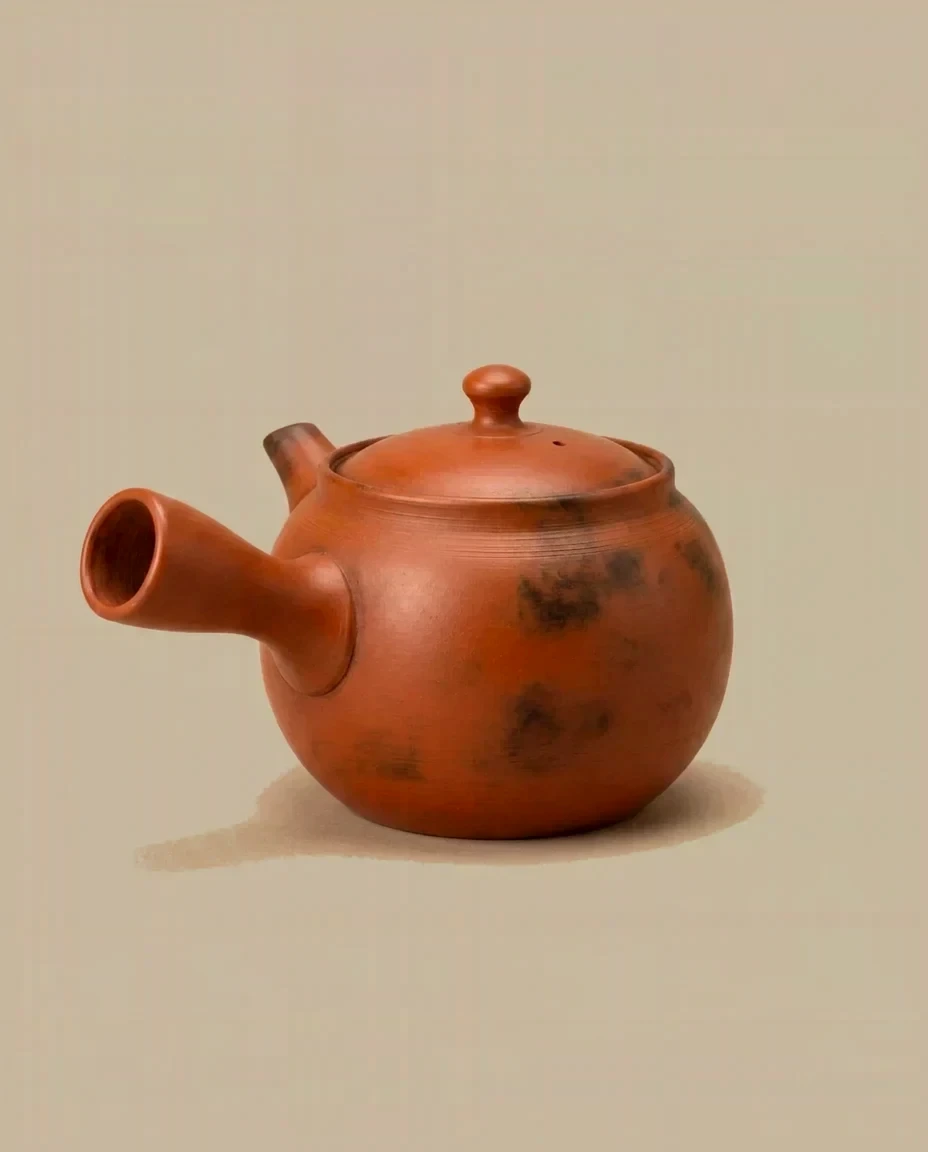
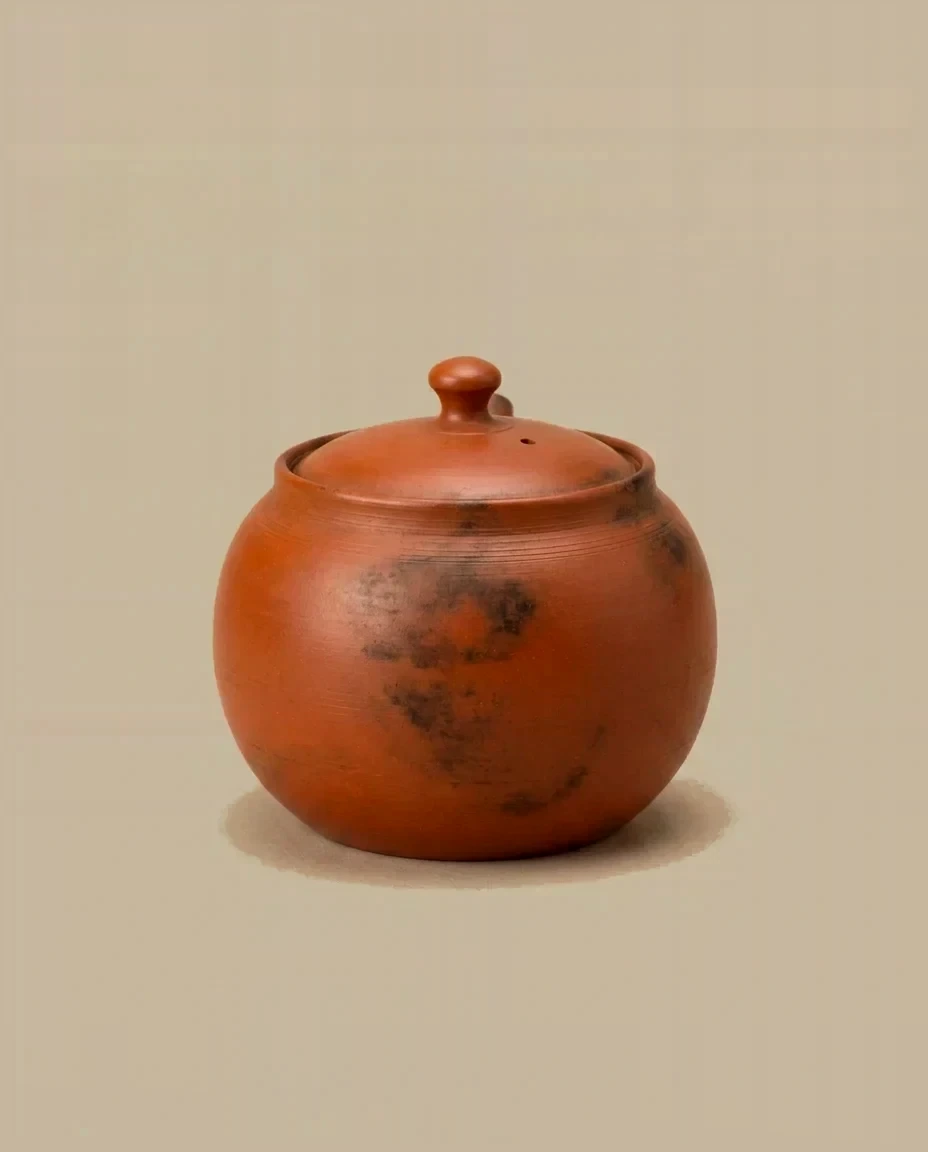
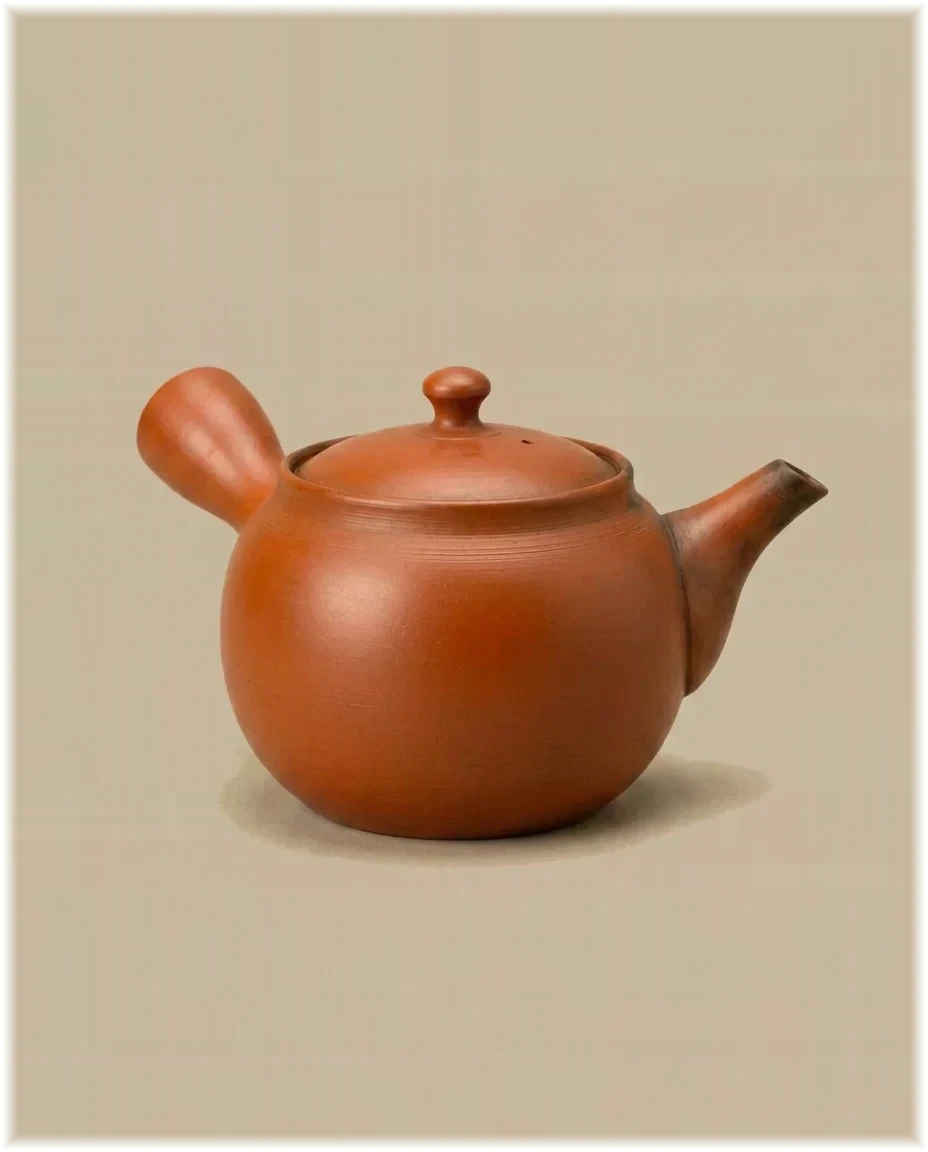
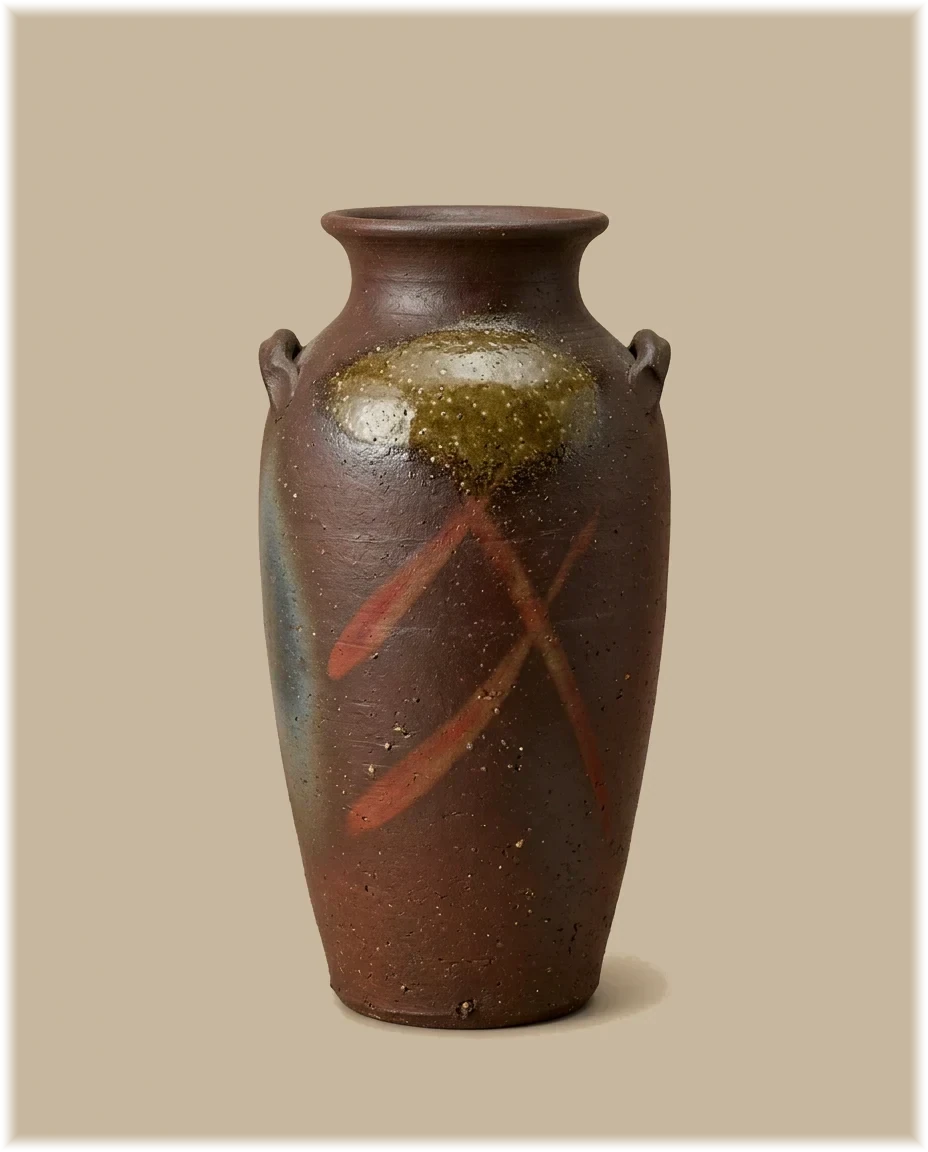
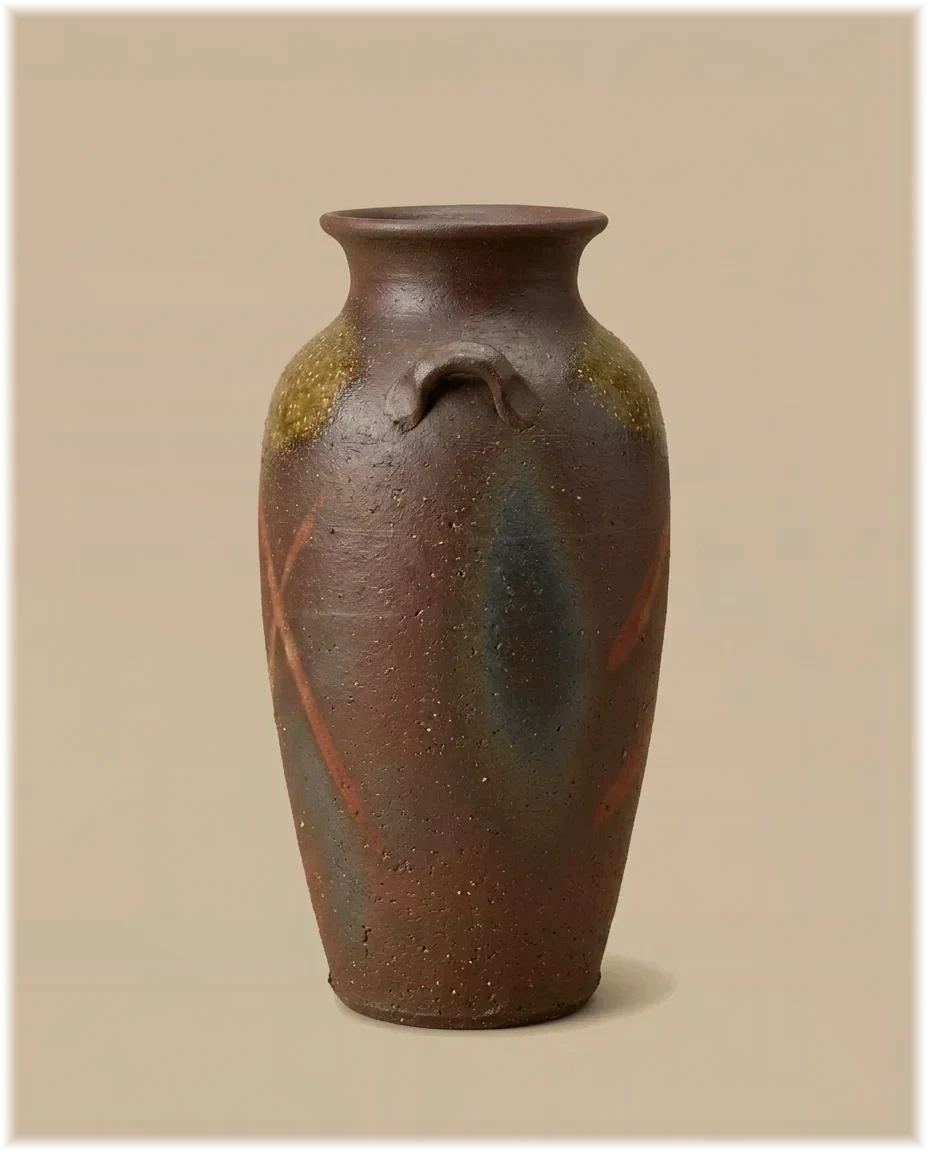
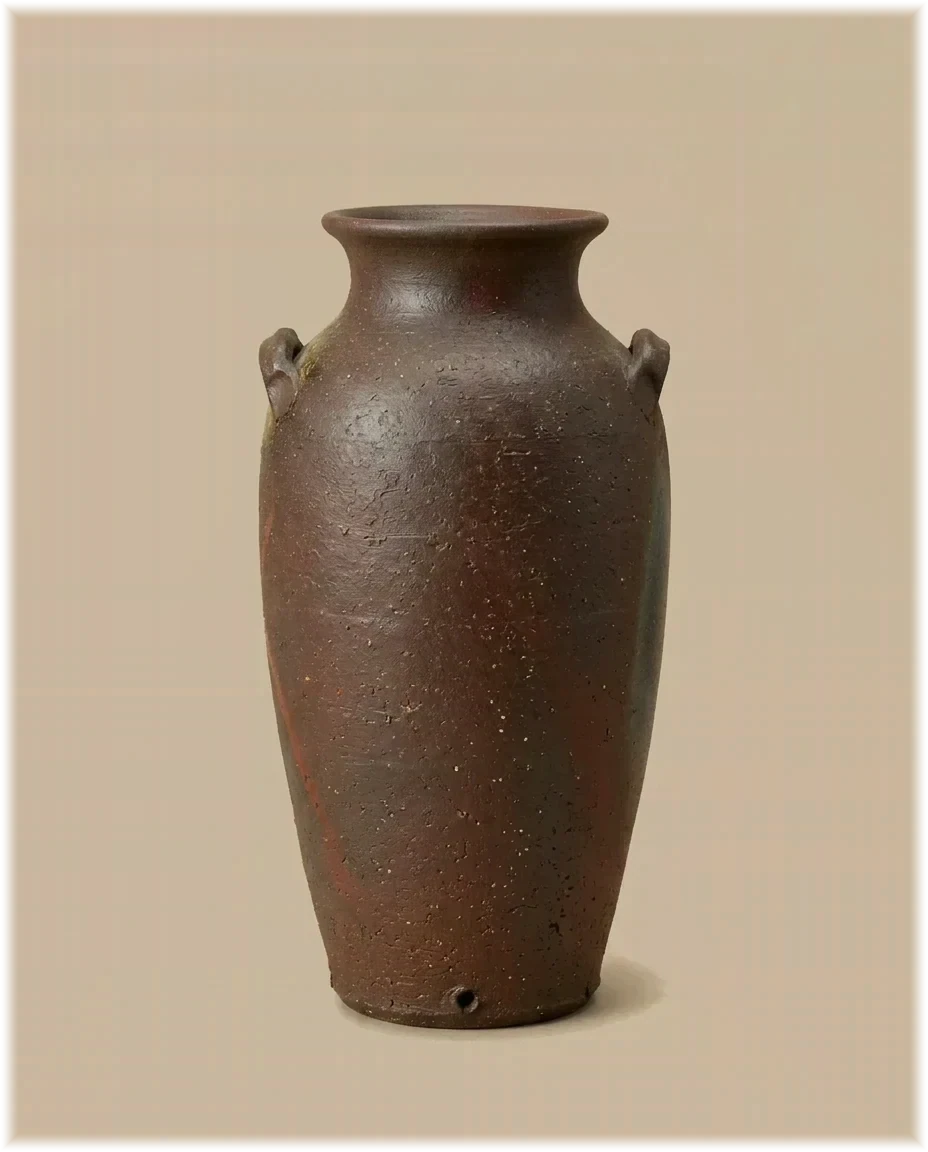
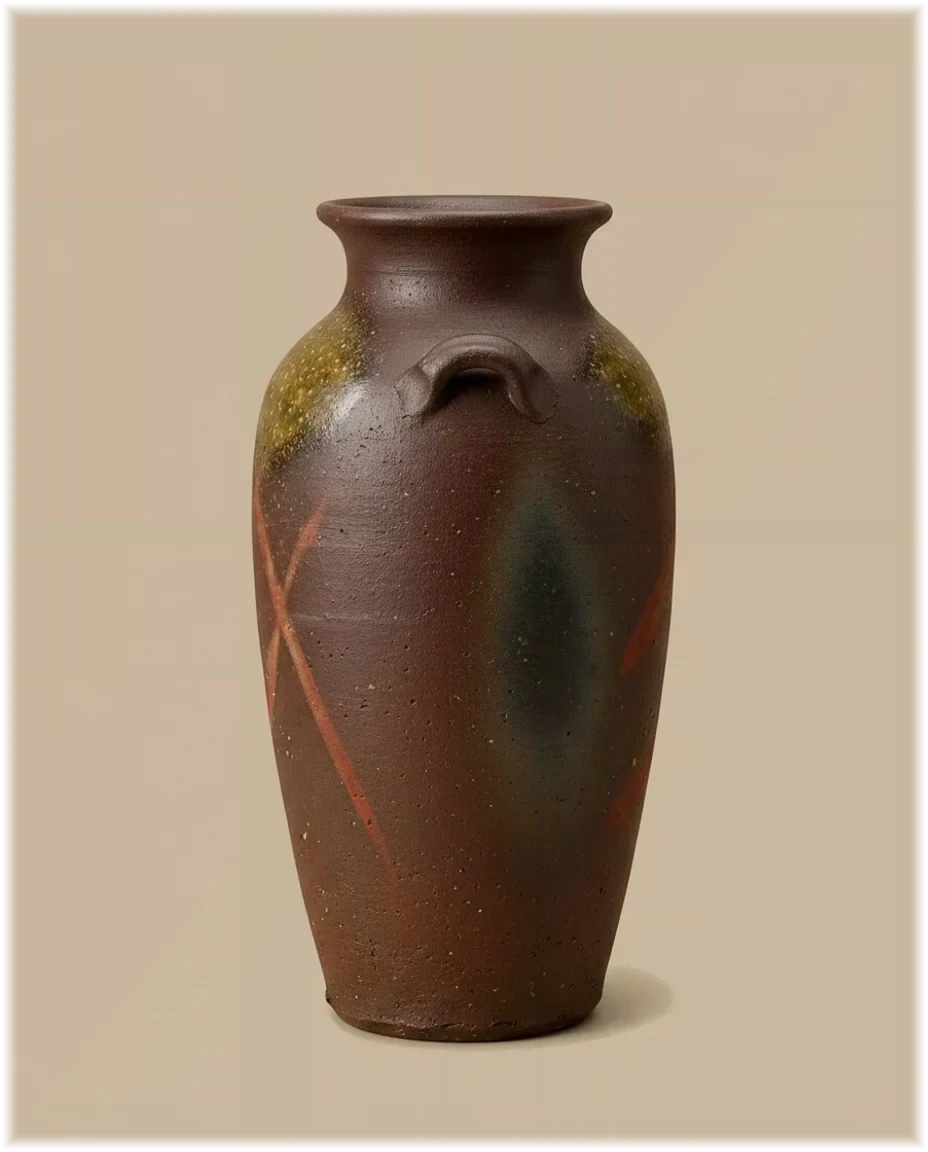
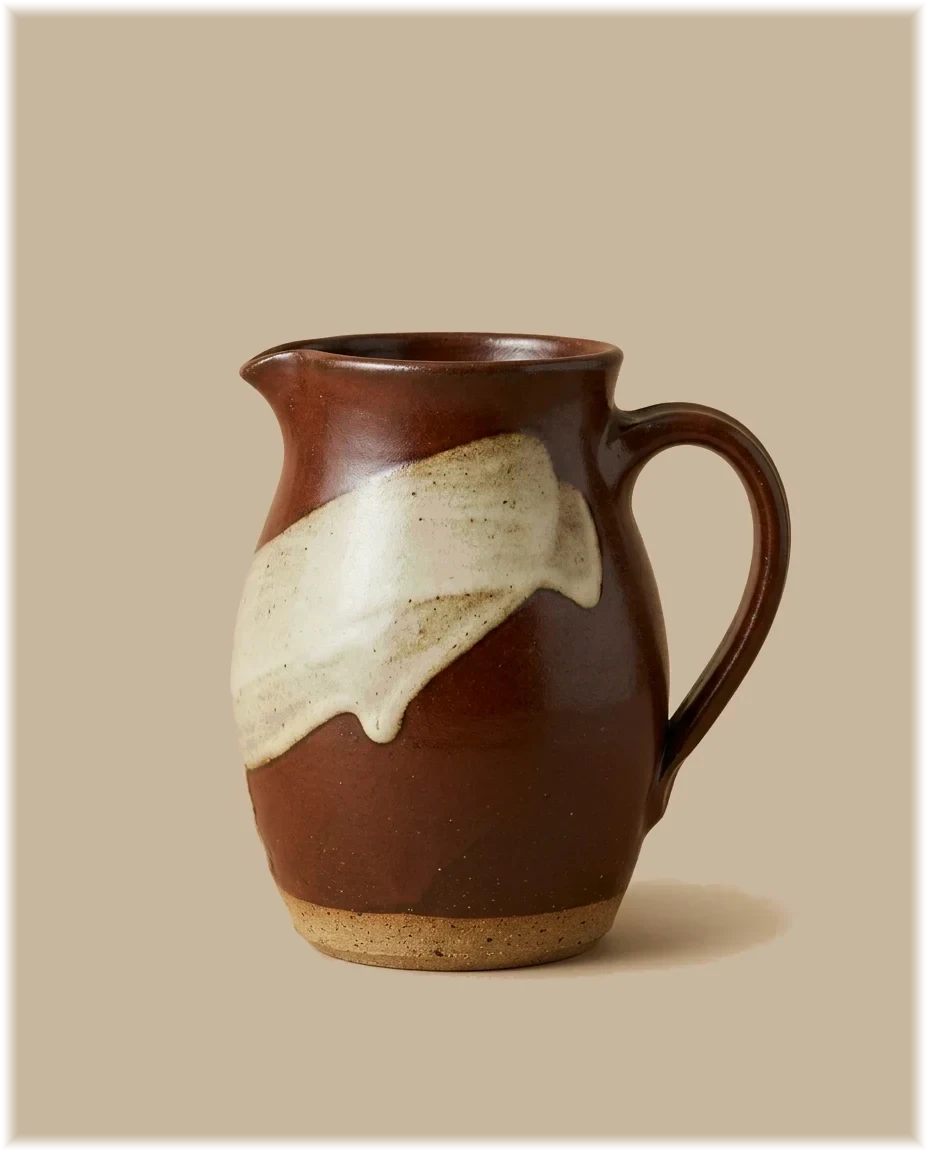
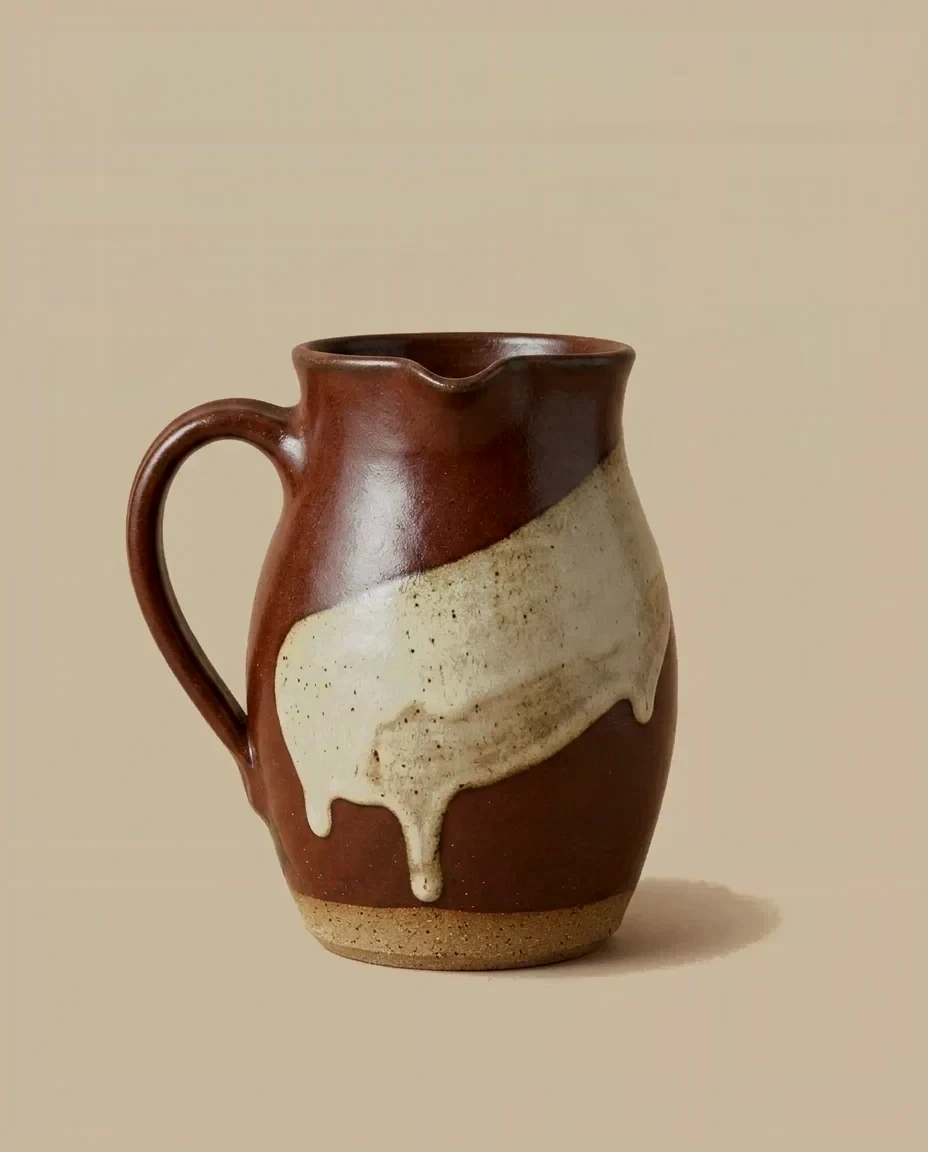
Bizen and Shigaraki are two of the six old kilns of Japan, at work since the middle ages. Their pots are not glazed. They are stacked in a wood-fired kiln for ten days or more, and whatever the flames and the falling ash do to them, stays.
Straw wrapped around a Bizen pot burns away and leaves red lines, called hidasuki, fire cords. Ash that settles on the shoulder melts into drops like sesame seeds. The potter chooses where a pot stands in the kiln. He does not choose the marks, and some pieces do not survive the firing.
Fifty years, then silence
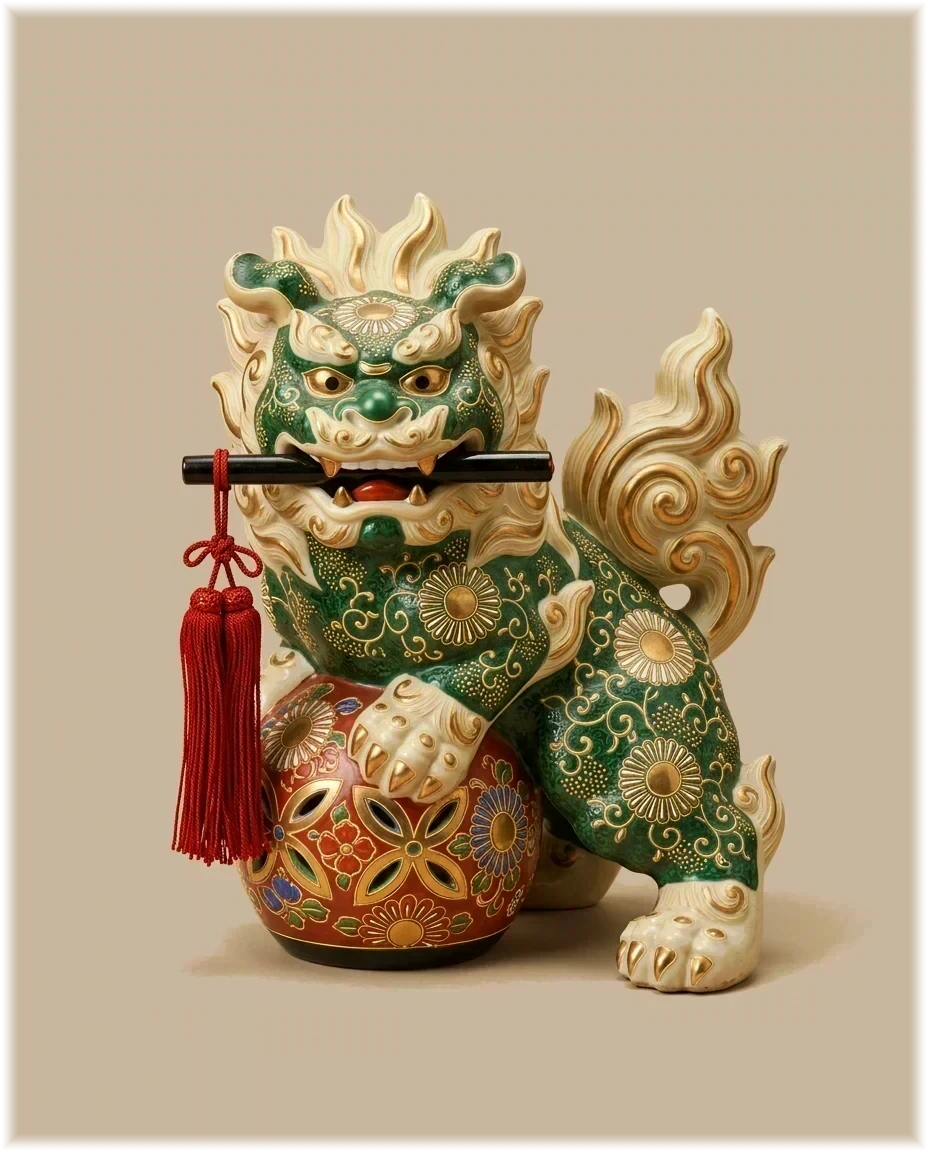
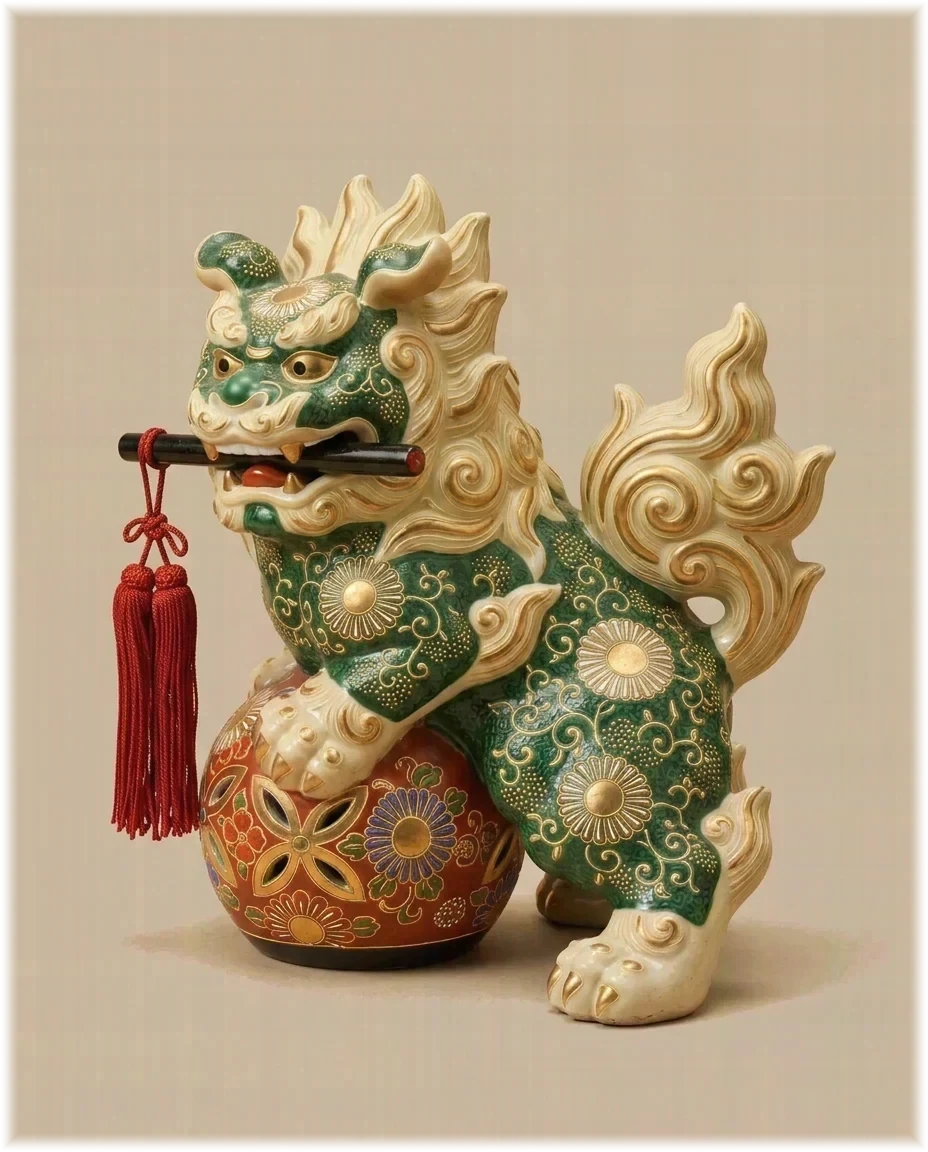
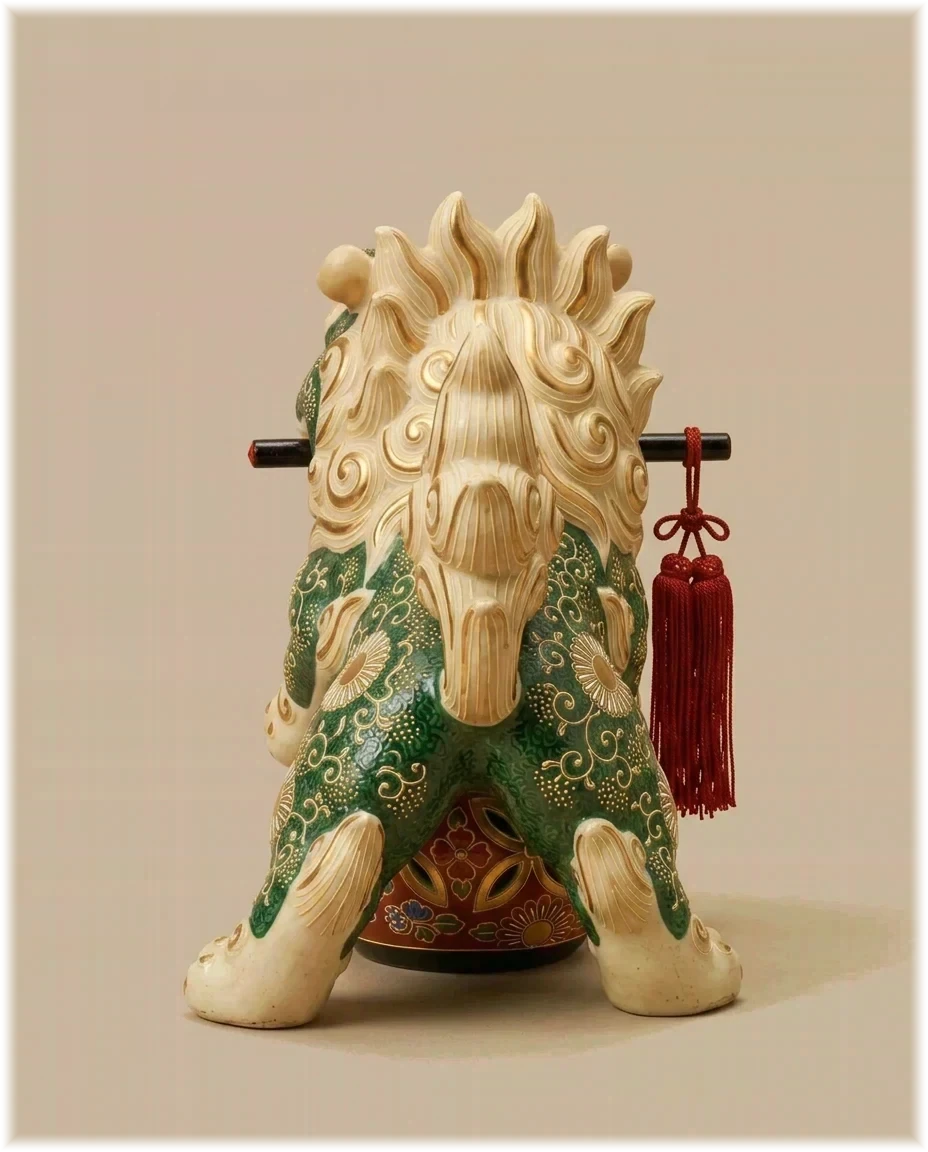
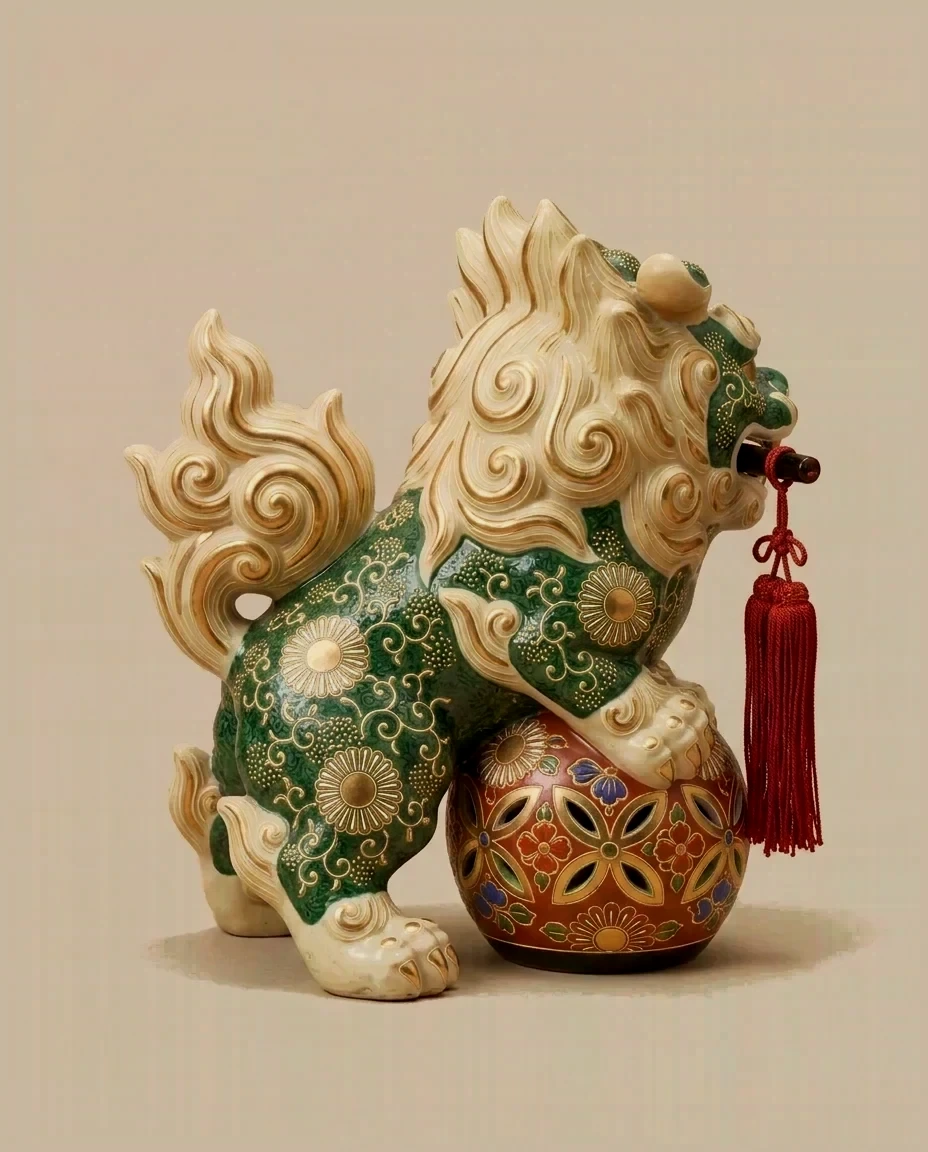
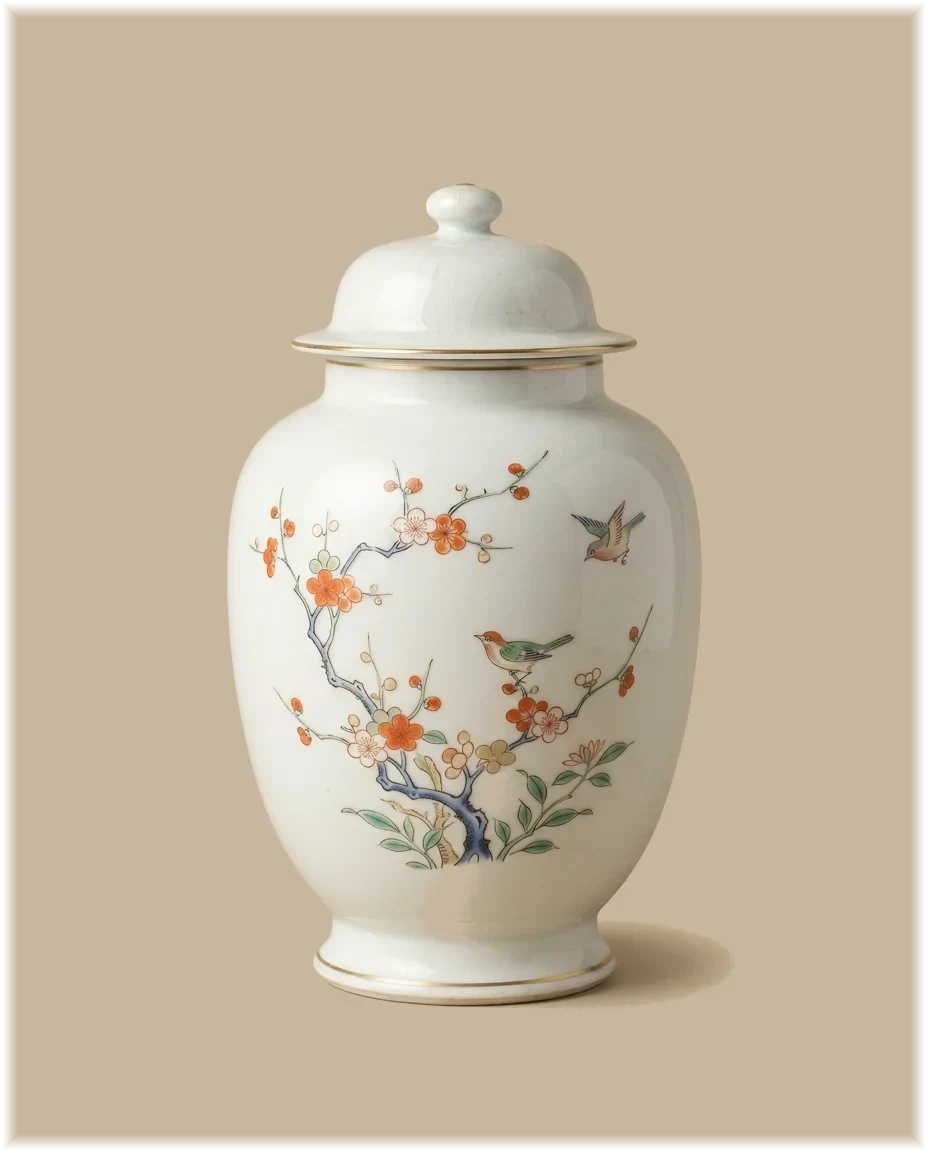
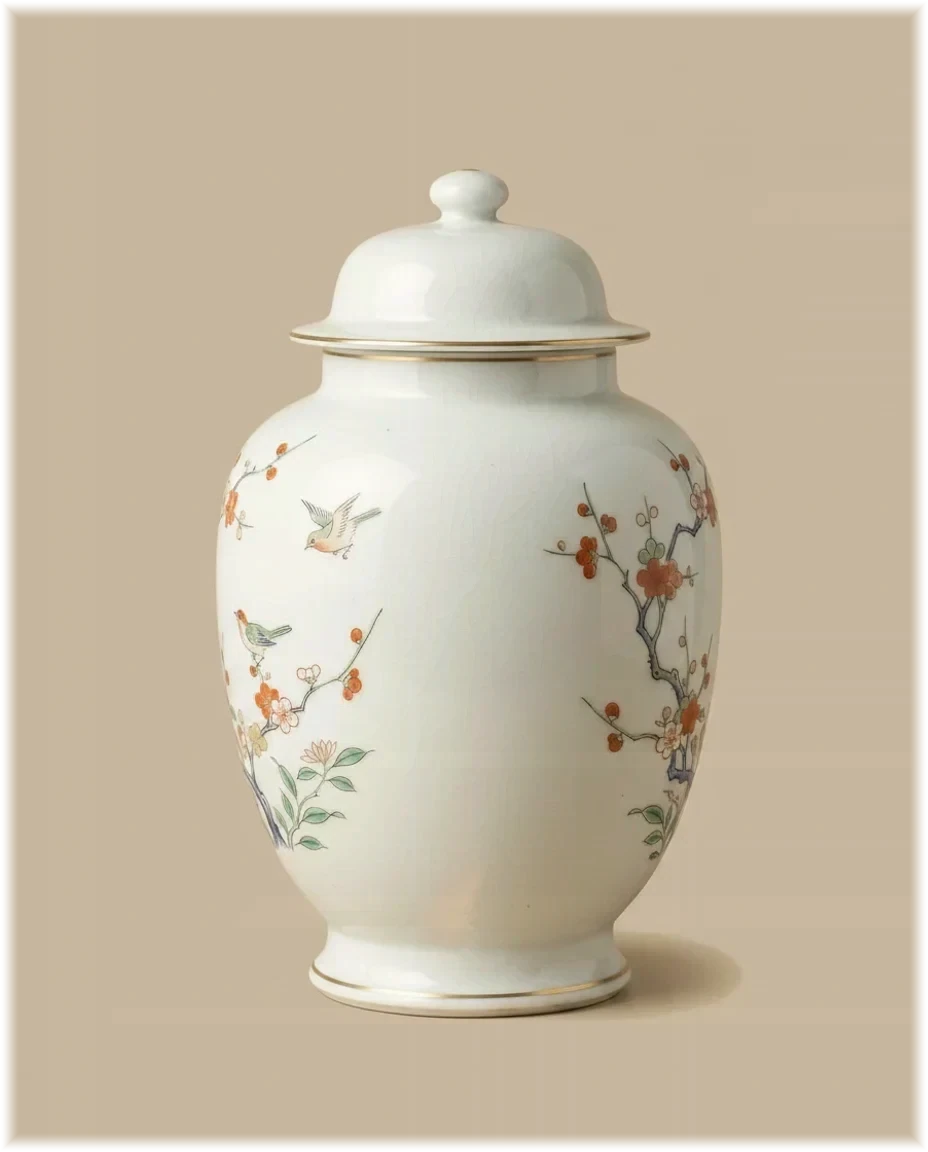
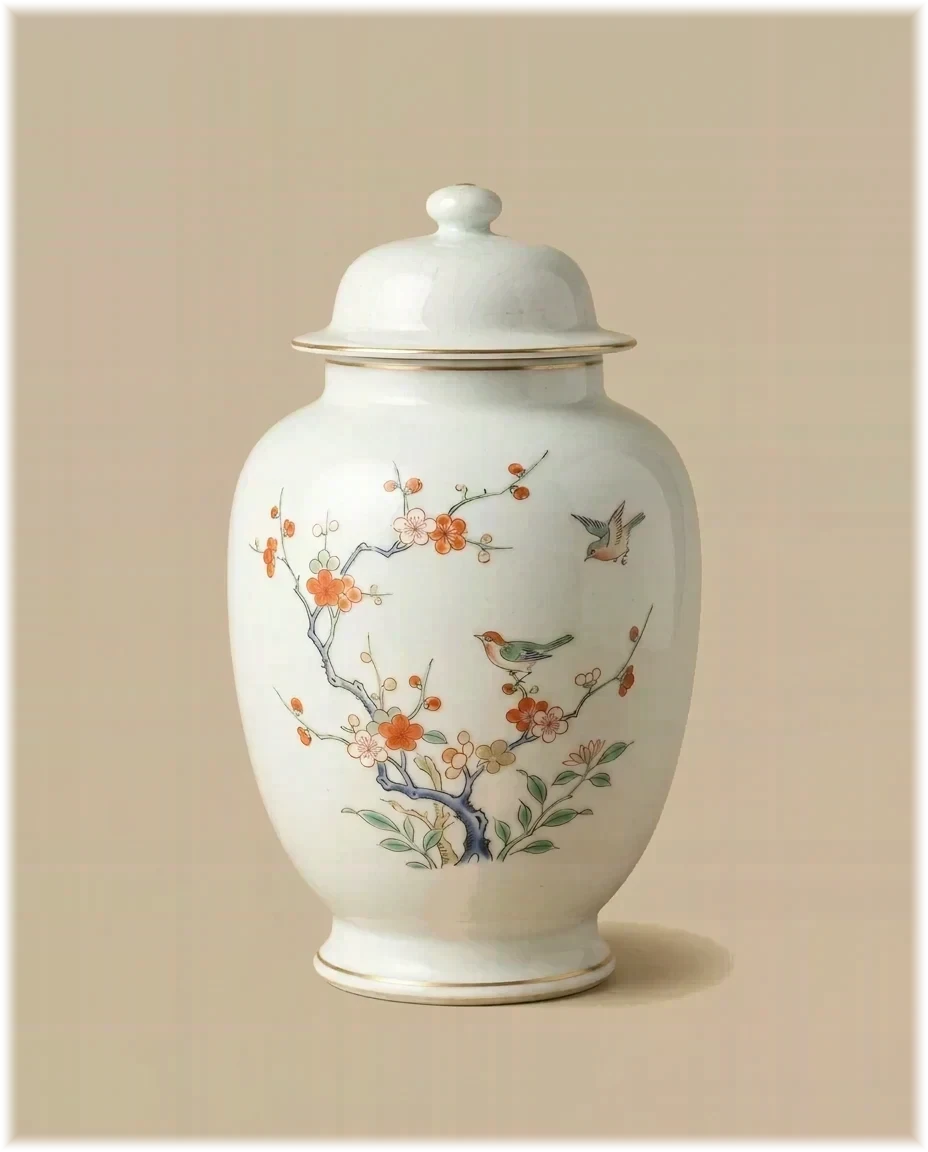
Kutani went the other way. Every colour is painted on and fired: deep green, yellow, purple, dark blue and red on white porcelain. The first Kutani kilns, in the mountains of Kaga, were lit around 1655 and went cold about fifty years later. Nobody knows why.
Digs in the 1970s found the kiln sites and thousands of shards, and a harder question with them: much of what was called Old Kutani may have been made far to the south, in Arita, where Japanese porcelain began. The argument is still open. Kutani was lit again in the early 1800s and has not stopped since.
A bowl that keeps changing
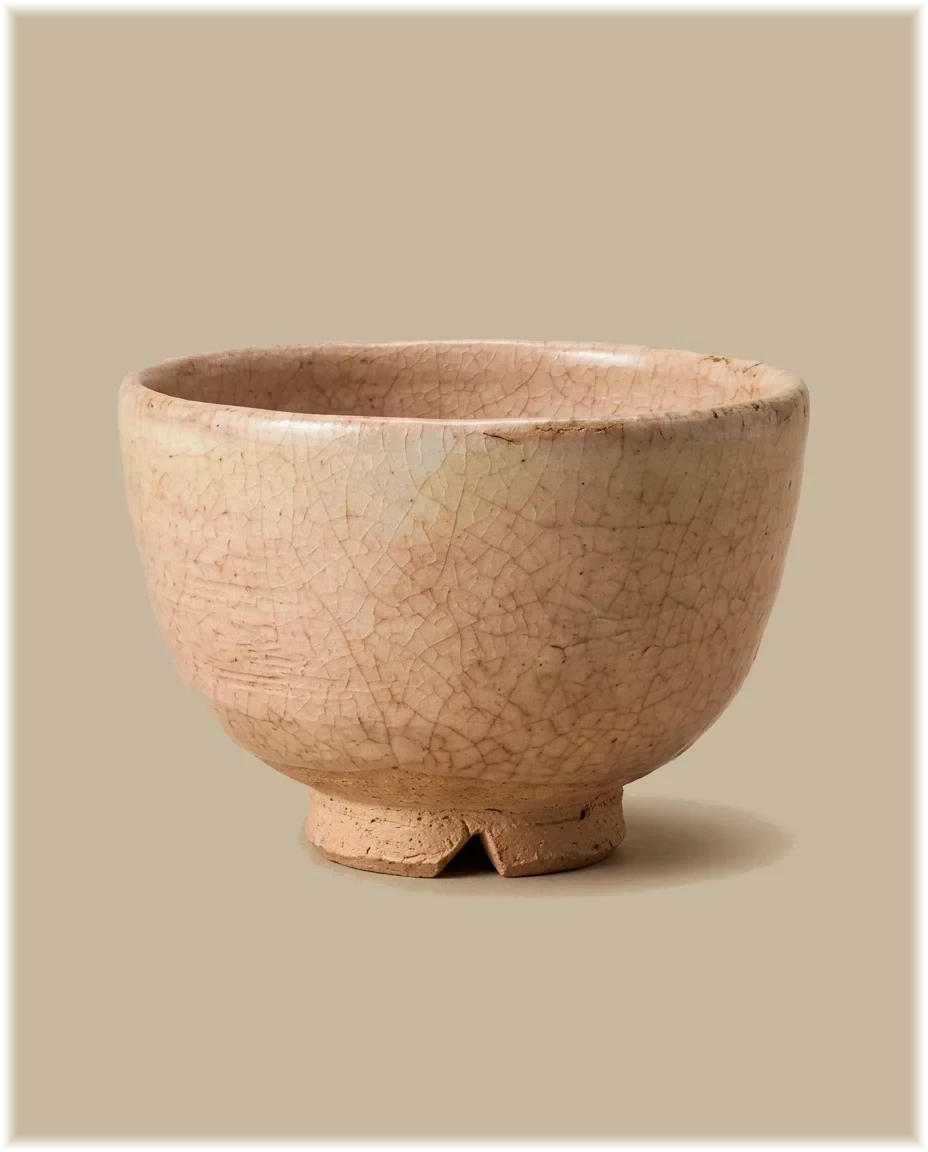
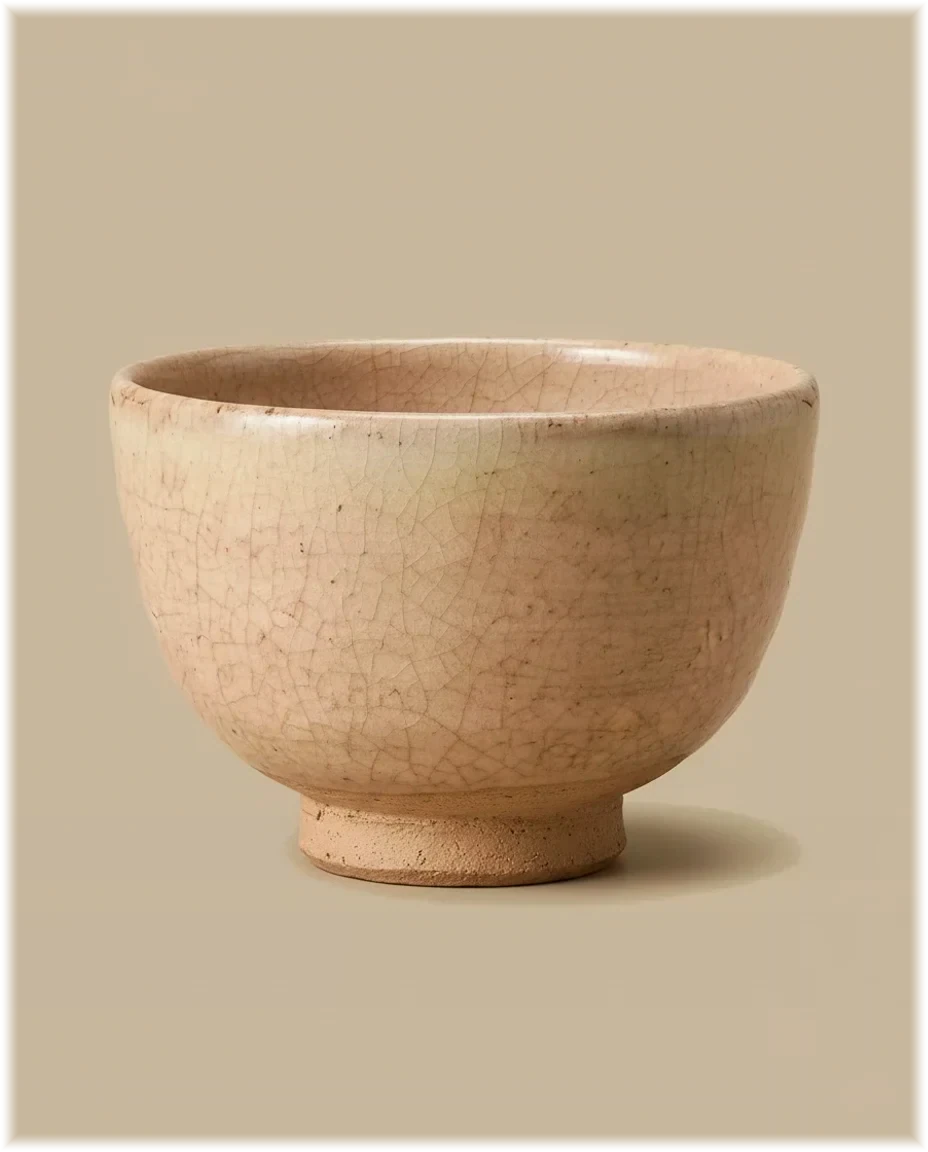
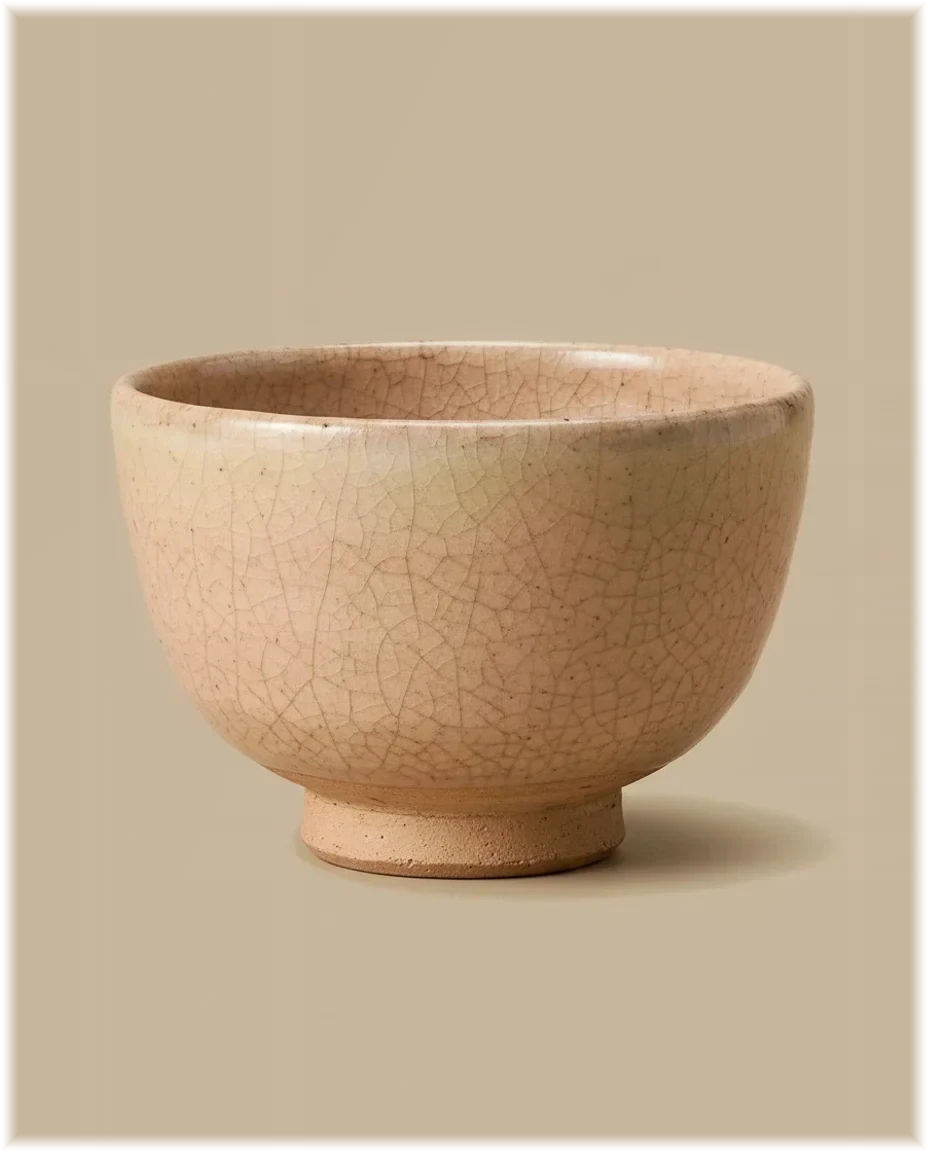
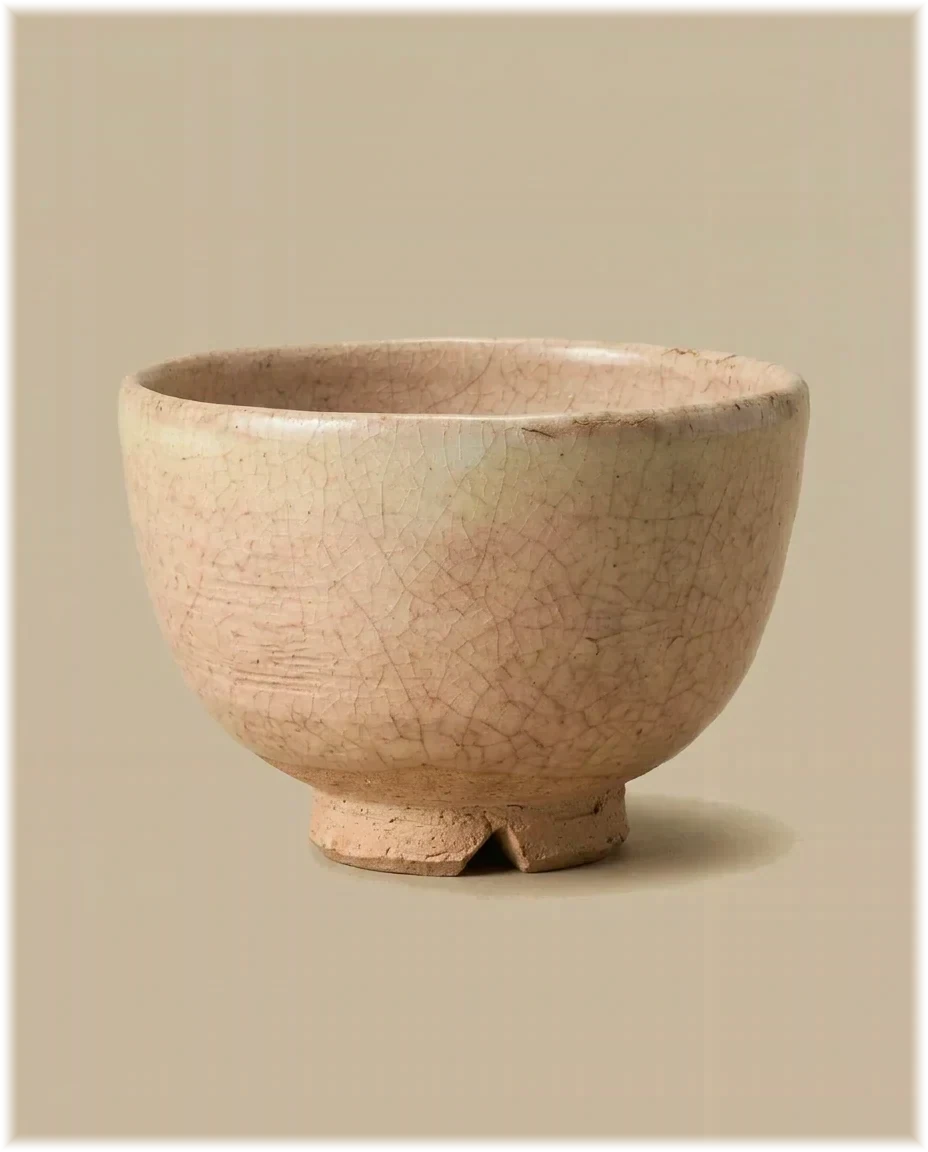
Hagi glaze is soft and crazed with fine cracks. Tea seeps into them, and over the years the bowl darkens and warms. Potters call it the seven transformations of Hagi, and no two of them agree on what the seven are.
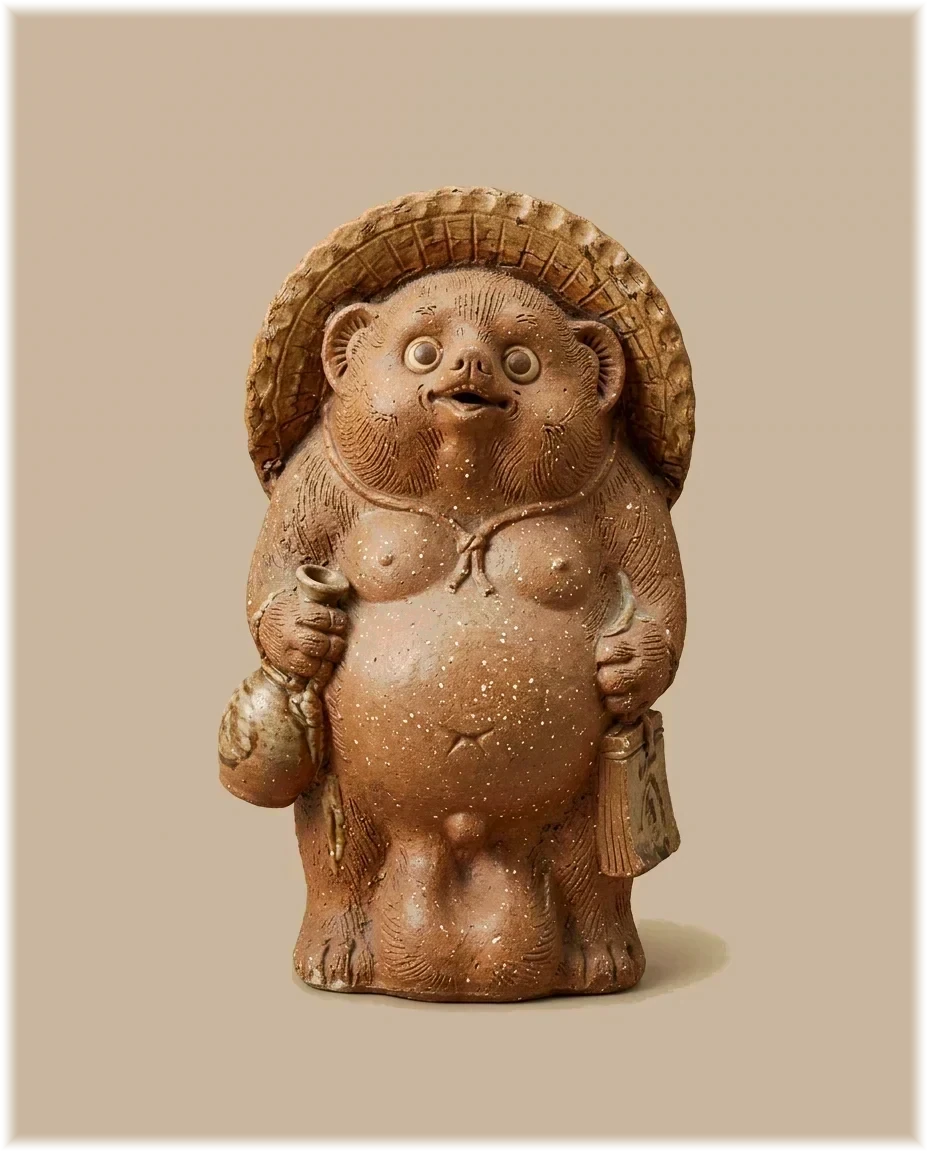
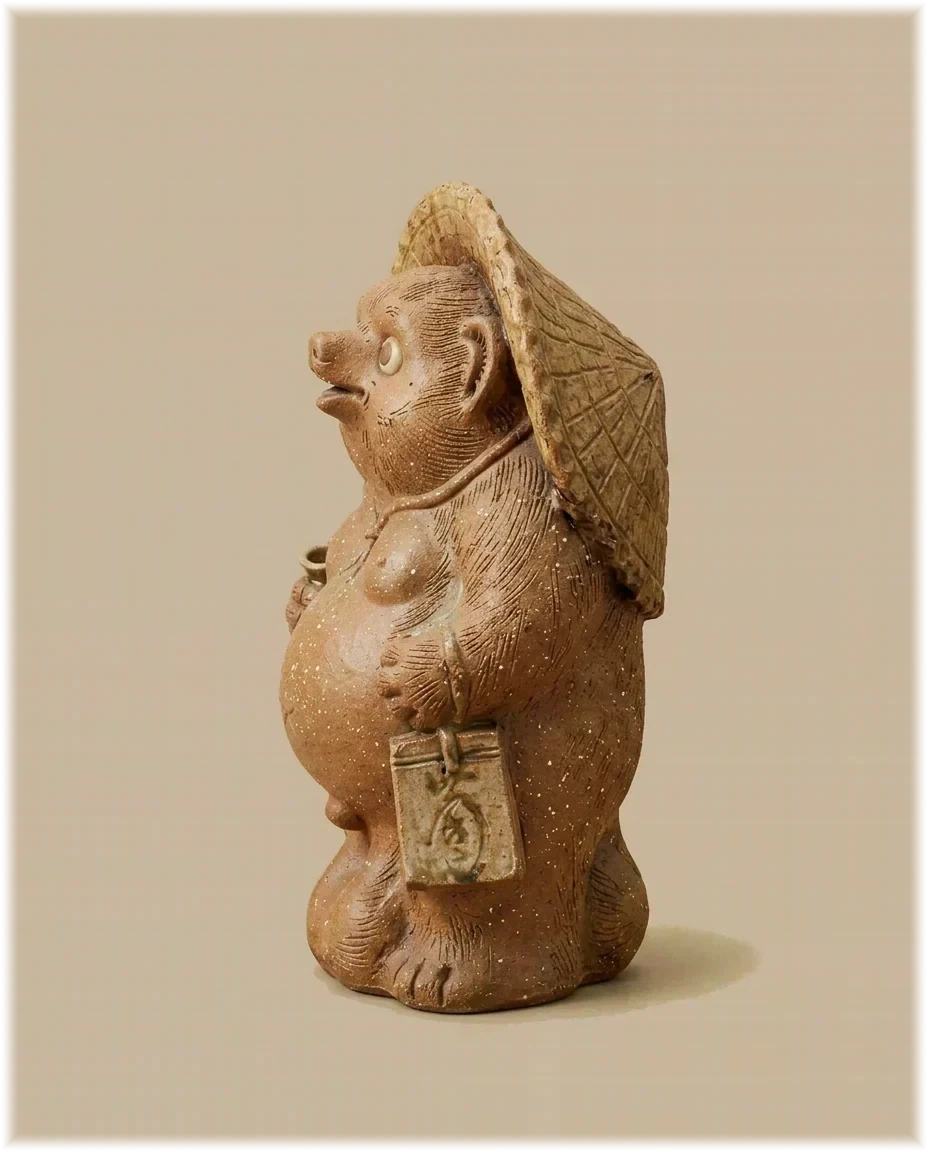
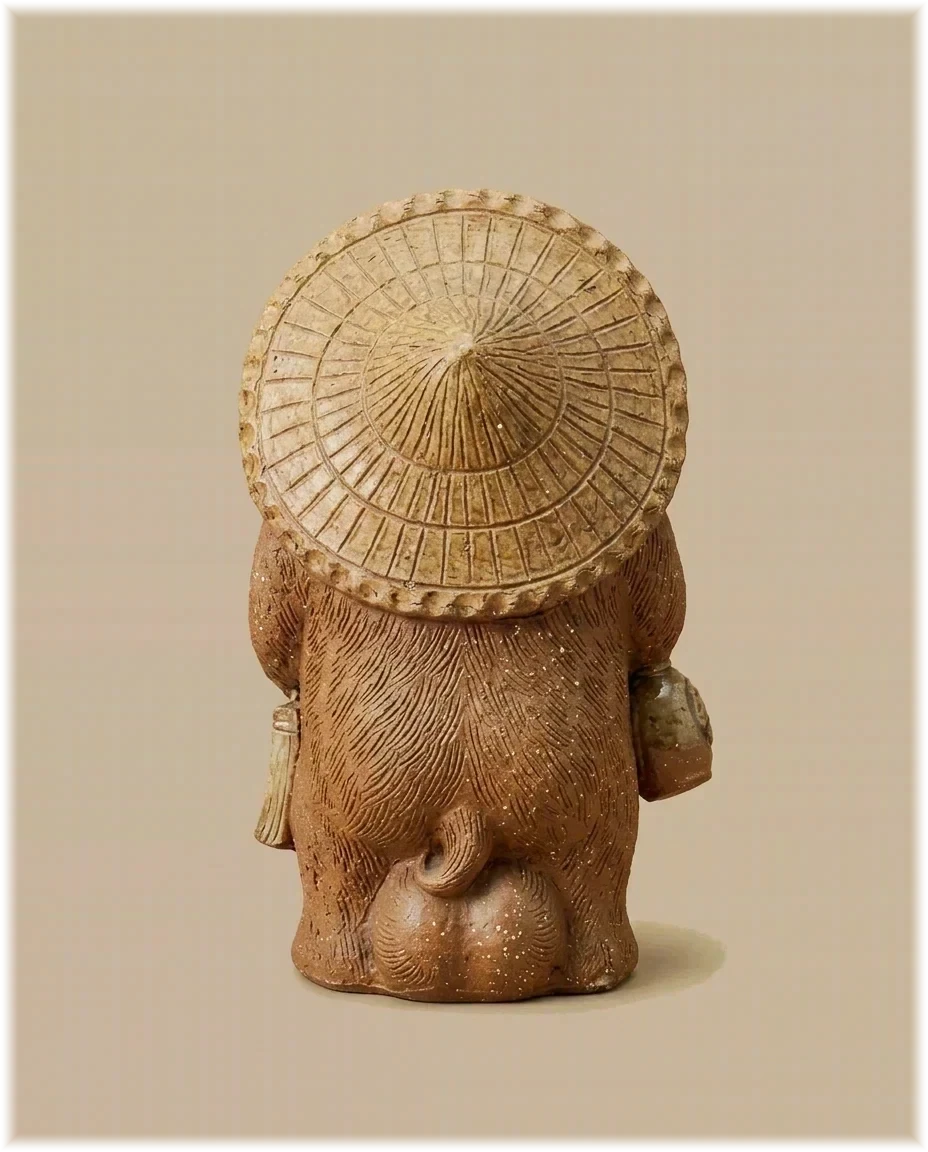
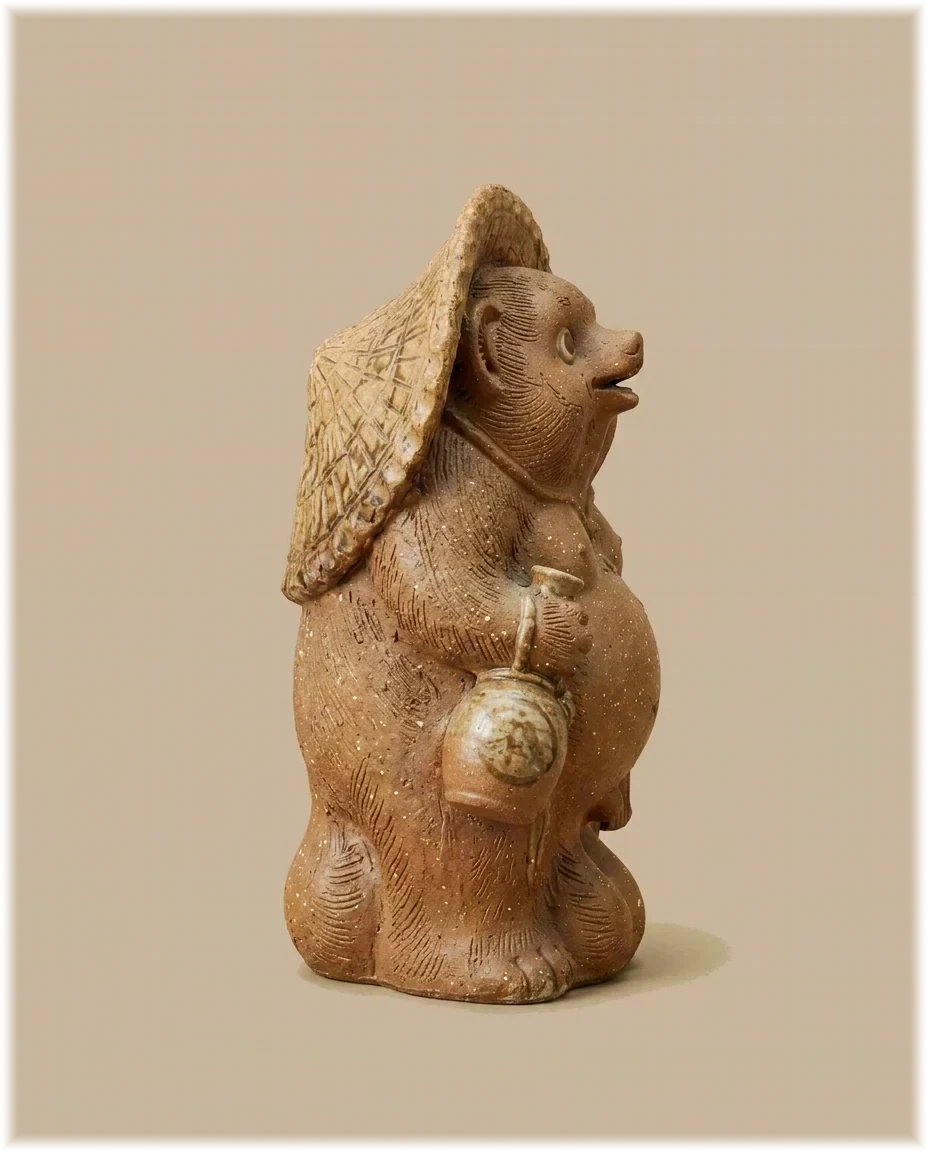
The tanuki outside so many Japanese restaurants comes from Shigaraki. In 1951, when the Emperor visited, the town lined the road with tanuki holding little flags. He wrote a poem about them, and after that everyone wanted one.

Clay
Seven kilns that disagree about who decides — the fire, or the hand.
Ask us to look
Tell us what you are after. We live in the country where these things are, and we will go and look for it.
- You describe itWhat you are after, roughly what you want to spend, and whether there is a date it matters by. Vague is fine — “a clay bell for the year my daughter was born” is enough to start.
- We go and lookMorning markets, dealers we know, auction houses, and families clearing an old house. Sometimes the thing turns up the same week. Sometimes it takes months. Sometimes it never turns up at all.
- You decidePhotographs in daylight, measurements, condition described plainly including the chips, and what it would cost delivered to your door. If it is not right, you say so and that is the end of it.
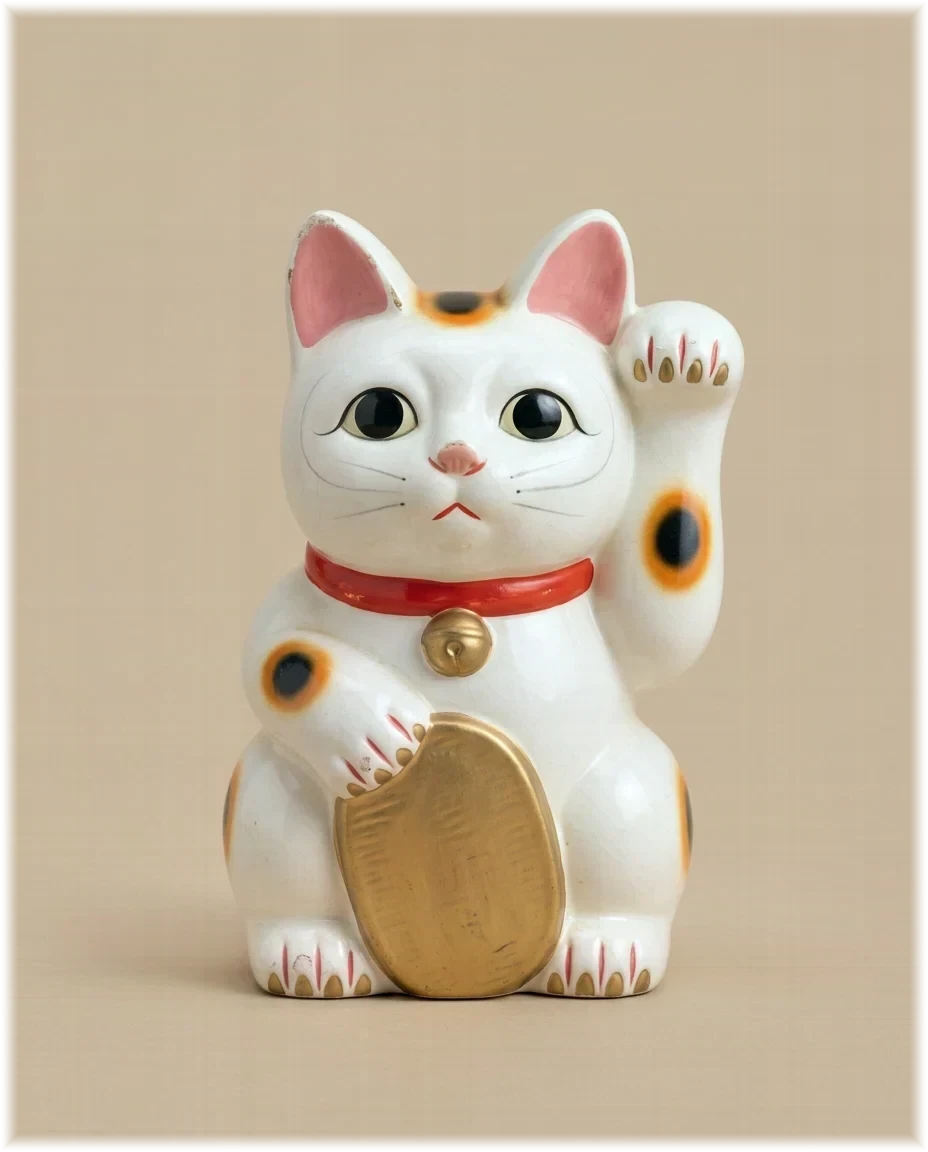
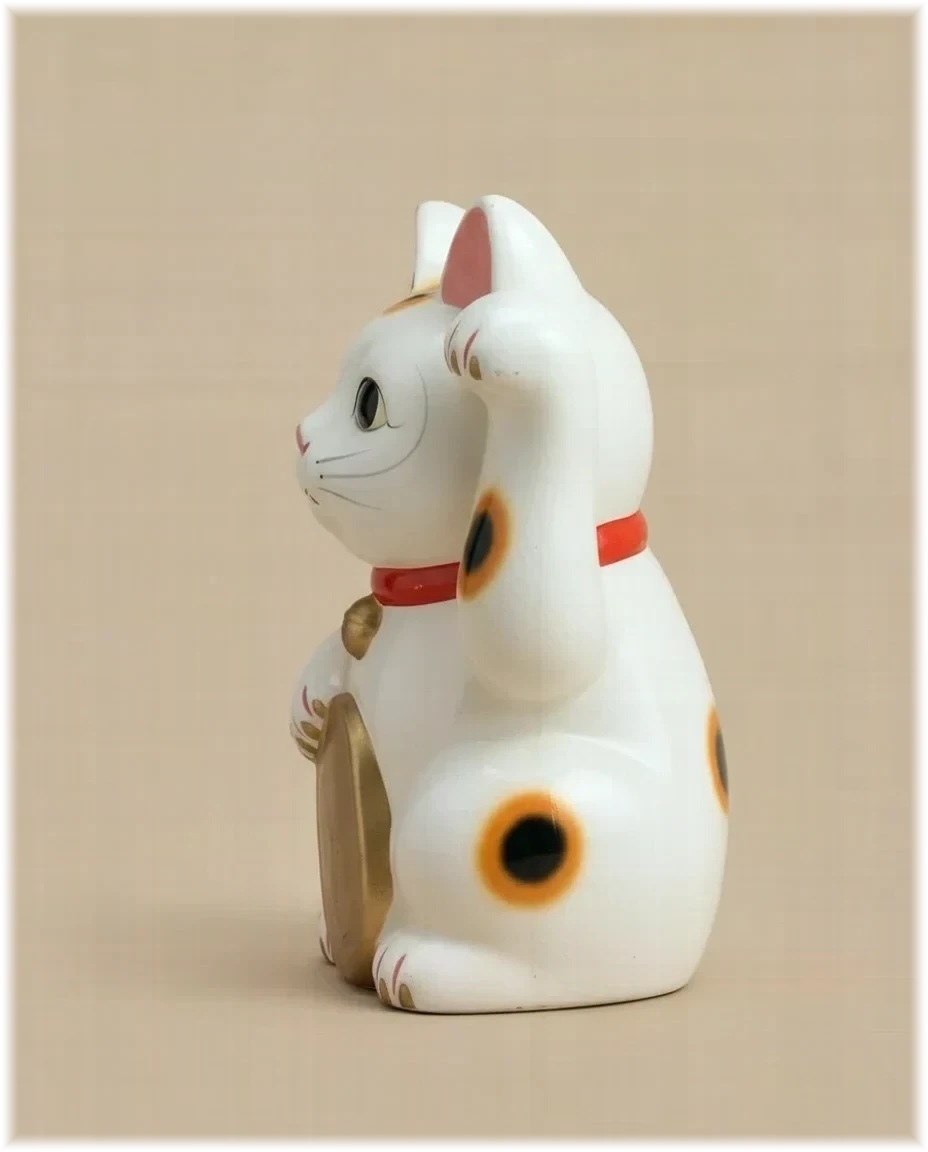
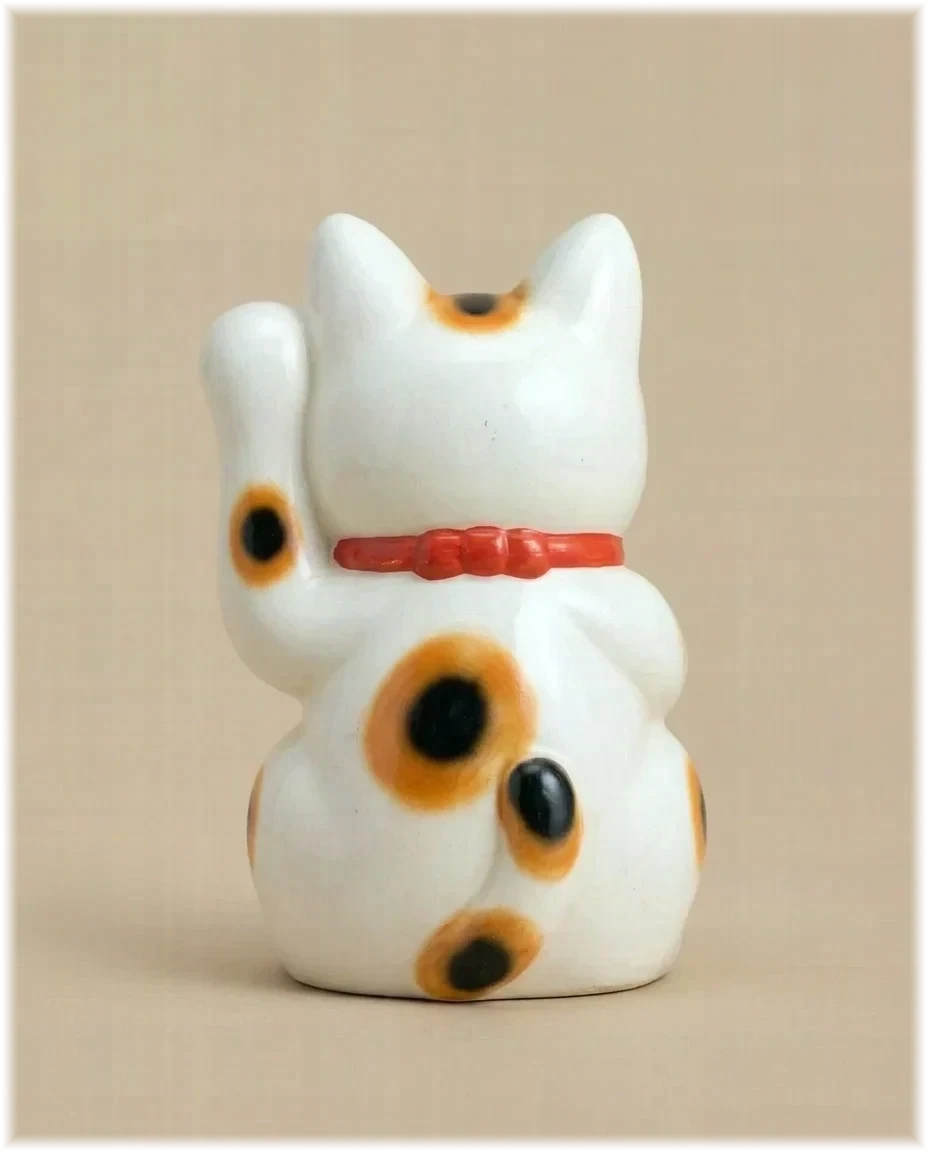
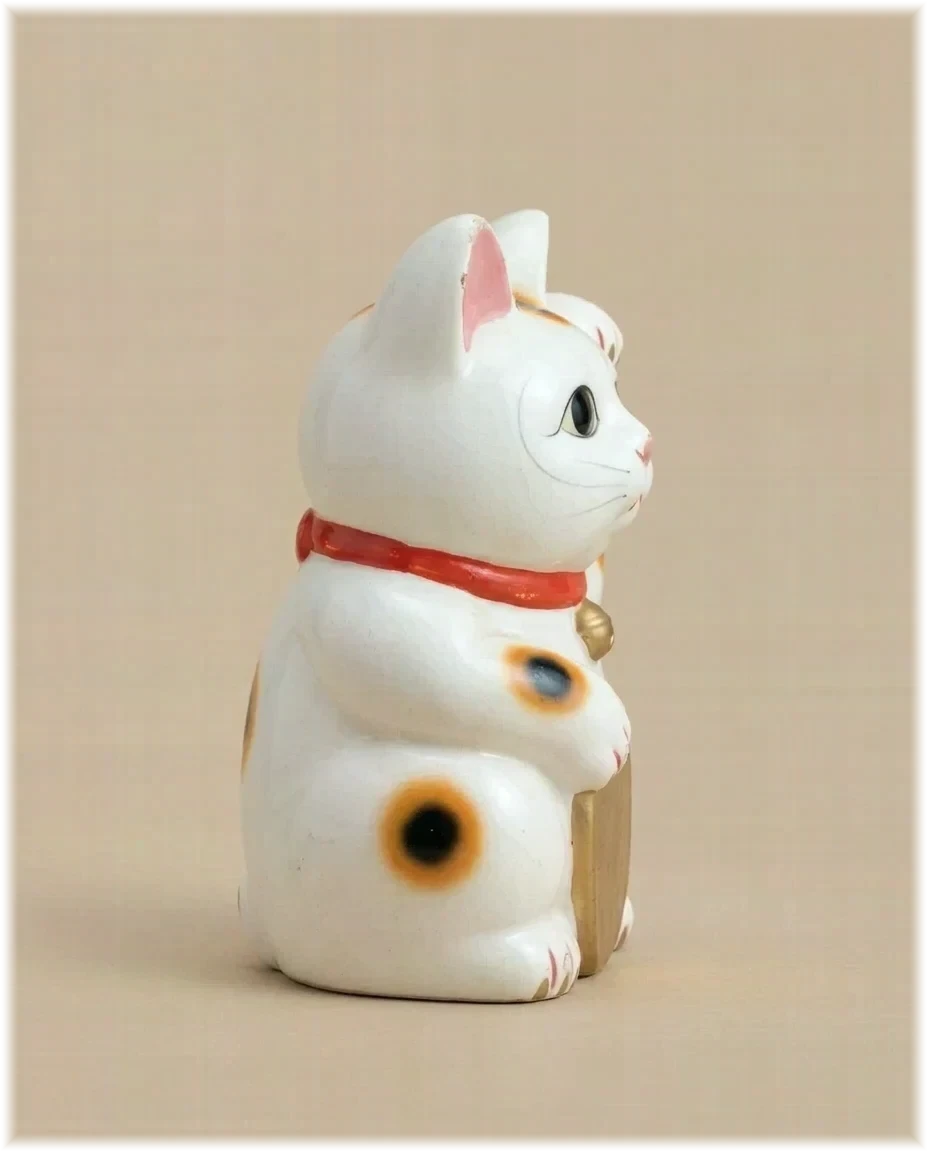
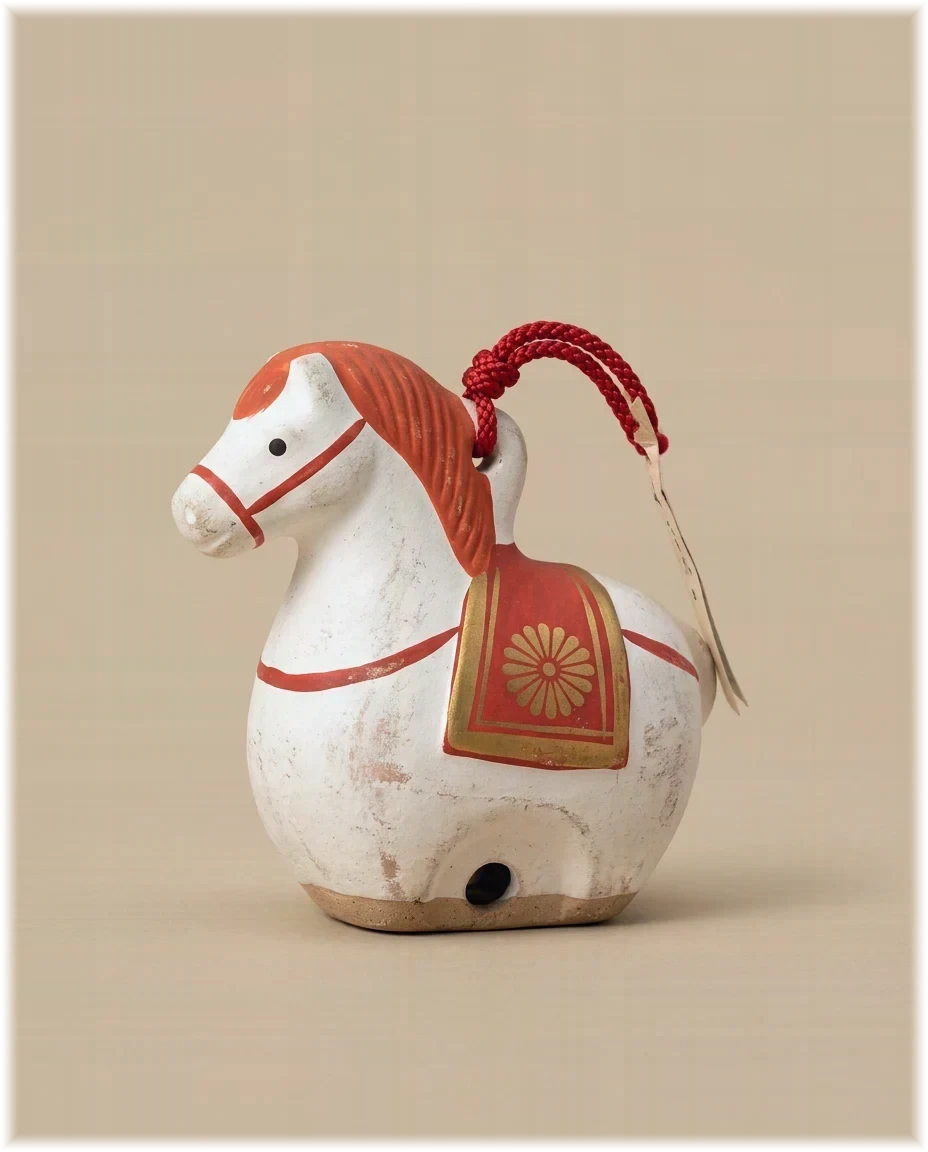
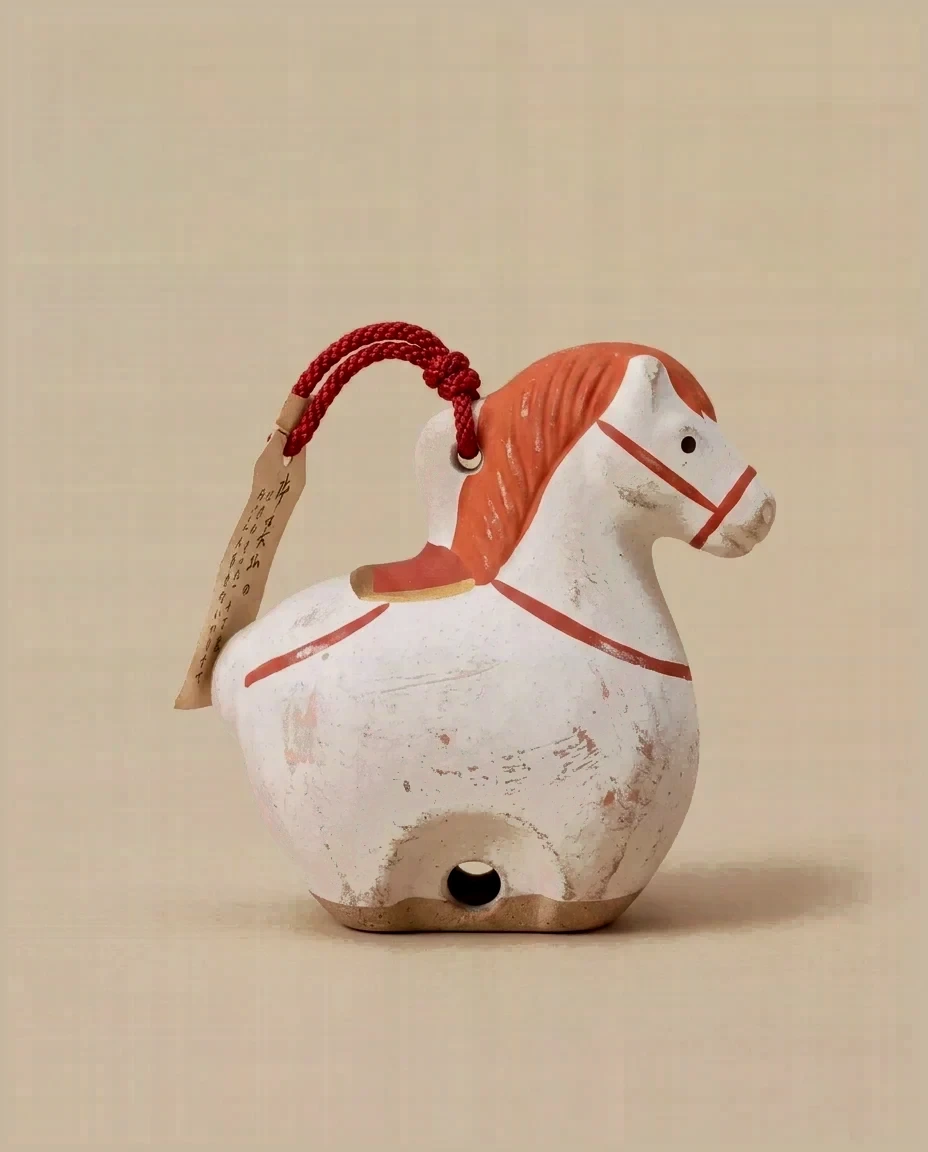
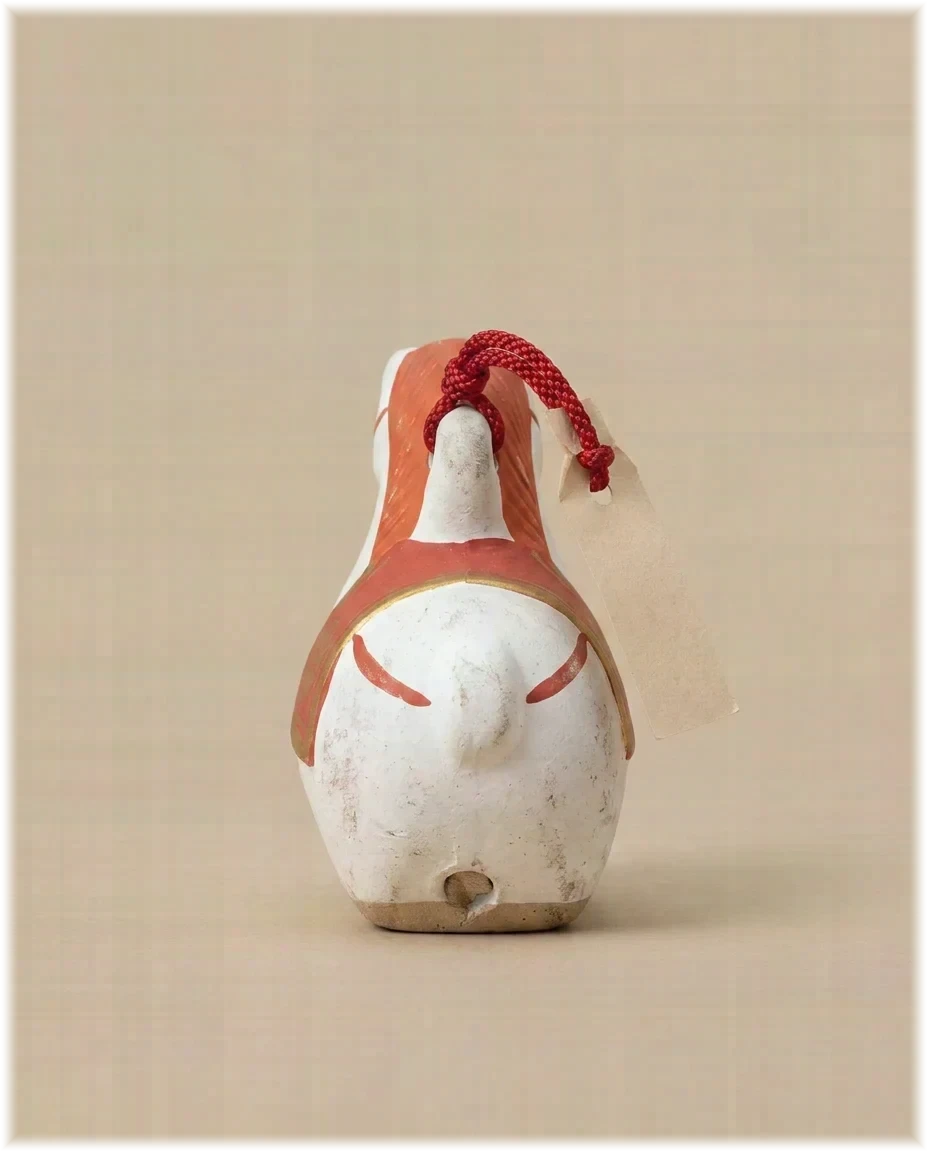
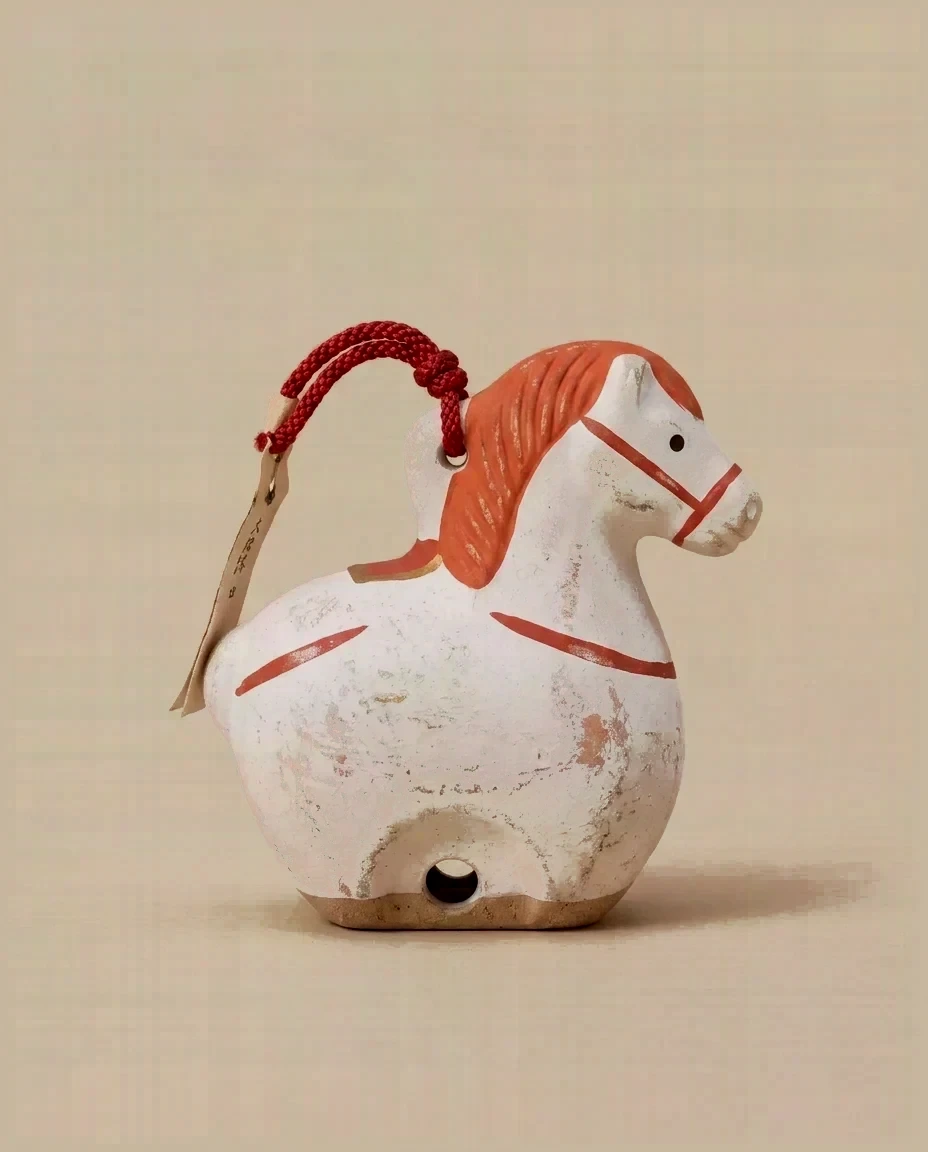
On the shelf now:Kutani ware · 16Shigaraki ware · 8Arita ware · 5Tokoname ware · 2Maneki-neko · 13Clay bells · 1
Next cabinet
Wood
Some of these boxes will not open until you find the moves, and the maker will not tell you what they are. The bears began as something farmers did while the fields were under snow.
Open the cabinet →