Unpainted animal figures line the wooden shelves of rural workshops in perfectly uniform rows. Some are molded from raw, heavy clay. Others are formed from layered strips of wet paper. They sit by open windows, waiting for the ambient moisture in the air to drop so the curing process can begin.
These figures are the eto [干支], the zodiac animals prepared for the upcoming new year. In a few months, millions of people will queue in the January cold for hatsumode [初詣], the first shrine visit of the year. They will leave their old charms to be burned and carry a new animal home. The physical objects that define this mid-winter ritual depend entirely on the dry conditions of the autumn months to take shape. Without the sudden drop in environmental humidity, the wet paper would rot on its wooden molds and the damp clay would crack violently inside the kilns.
What is the Japanese New Year zodiac custom?

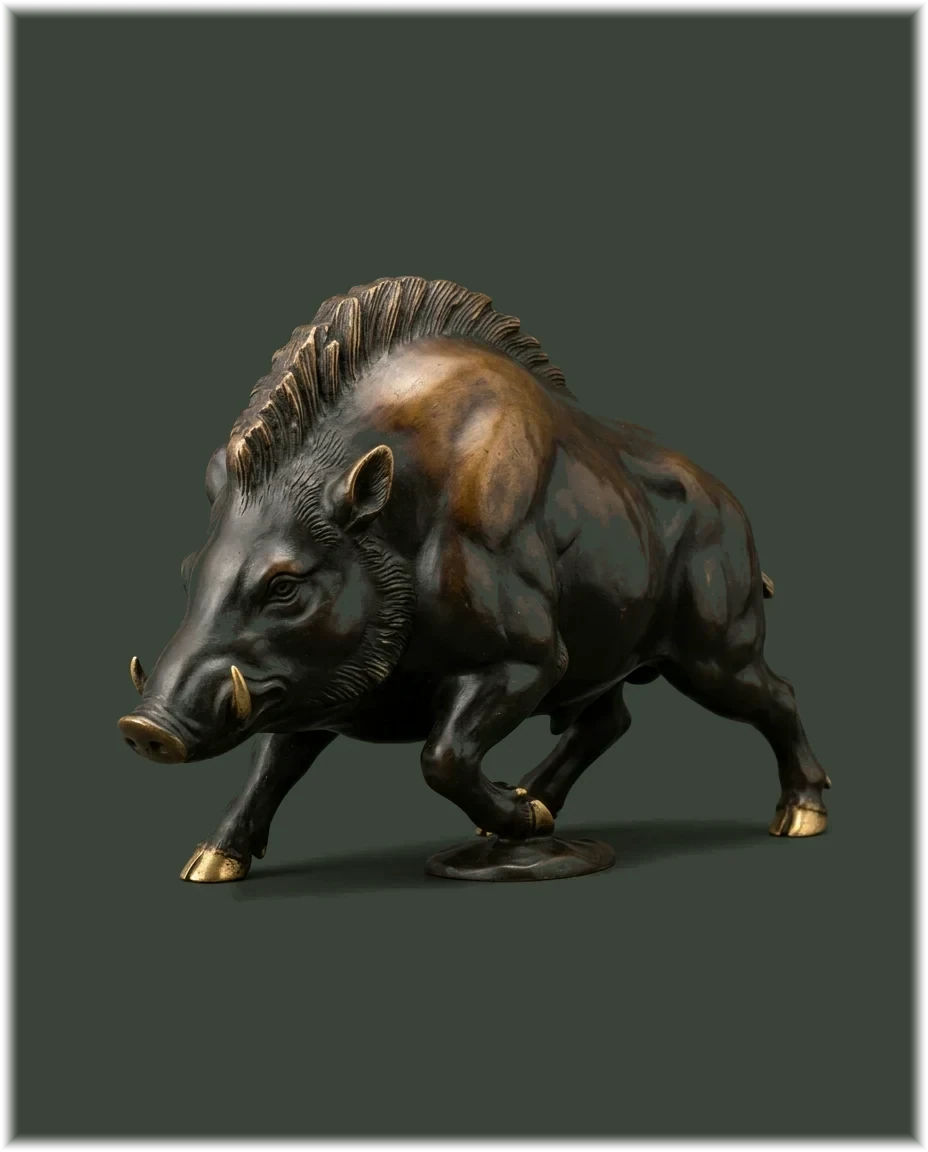
The Japanese zodiac follows a twelve-year cycle, moving through twelve specific animals in a fixed order. Each calendar year is assigned one creature, ranging from the rat to the boar. The animal functions as both a marker of time and a symbol of the year’s character. Weeks before the year actually changes, images of the incoming animal appear on greeting cards, postal stamps, and shop displays. The most tangible representation of this shift is the small, three-dimensional eto figurine brought into the home to mark the transition.
The exchange of these physical figures happens during hatsumode. In the first three days of January, known as sanganichi [三が日], people visit a Shinto shrine or Buddhist temple. They line up along gravel paths to toss a coin into the wooden offering box, ring the heavy bell, and offer a quiet prayer. After the prayer is finished, visitors move to the shrine’s temporary administrative tents to purchase an engimono [縁起物], a physical charm intended to bring good fortune. The zodiac animal is consistently one of the most common choices.
The lifecycle of the charm is strictly defined by the calendar. An eto figure is not designed to be kept forever or passed down through generations. It is meant to sit in the home for exactly twelve months. When the next new year arrives, families carry the old figure back to the shrine grounds. Shrines set up designated collection areas, often large open tents, for these returning objects. The old charms are then gathered and burned in a communal ritual fire called otakiage [お焚き上げ]. This fire is a practical gesture of gratitude, releasing the object after its year of duty is complete.
The animal figures also appear a month later during Setsubun [節分], the traditional festival marking the end of winter. Held in early February, this event involves throwing roasted soybeans out the front door to drive away bad luck, which is often personified as roaming demons. Shrines sell specific charms for this day, and the current year’s zodiac animal is frequently incorporated into the design of these protective items. People believe the animal of the year holds the specific authority to push out the stagnant energy of the passing winter and secure the boundaries of the house.
The physical objects that define this mid-winter ritual depend entirely on the dry conditions of the autumn months to take shape.
Why are Hatsumode charms made in autumn?
The timing of the production cycle is dictated heavily by the materials used. Most traditional zodiac figures are made from either papier-mâché or low-fired clay. Both of these raw materials require slow, even evaporation to set correctly. Japan’s summer is notoriously humid, often holding moisture levels above eighty percent well into late August. Wet paper pasted over a wooden mold in July will trap water against the wood and develop dark mold. Damp clay will retain moisture deep in its core, causing it to explode violently when placed in a hot kiln.
When September arrives, the prevailing winds shift direction and the ambient humidity drops. Workshop windows are finally opened. Artisans begin pasting layers of washi [和紙], traditional Japanese paper, over carved wooden forms to create hariko [張子], or papier-mâché figures. The paper is soaked in a natural, water-based glue made from wheat starch or seaweed. The dry autumn air draws the water out of the glue at a steady rate. This gradual evaporation allows the paper shell to harden into a rigid, lightweight form that holds its exact shape when the wooden mold is pulled out from the bottom.
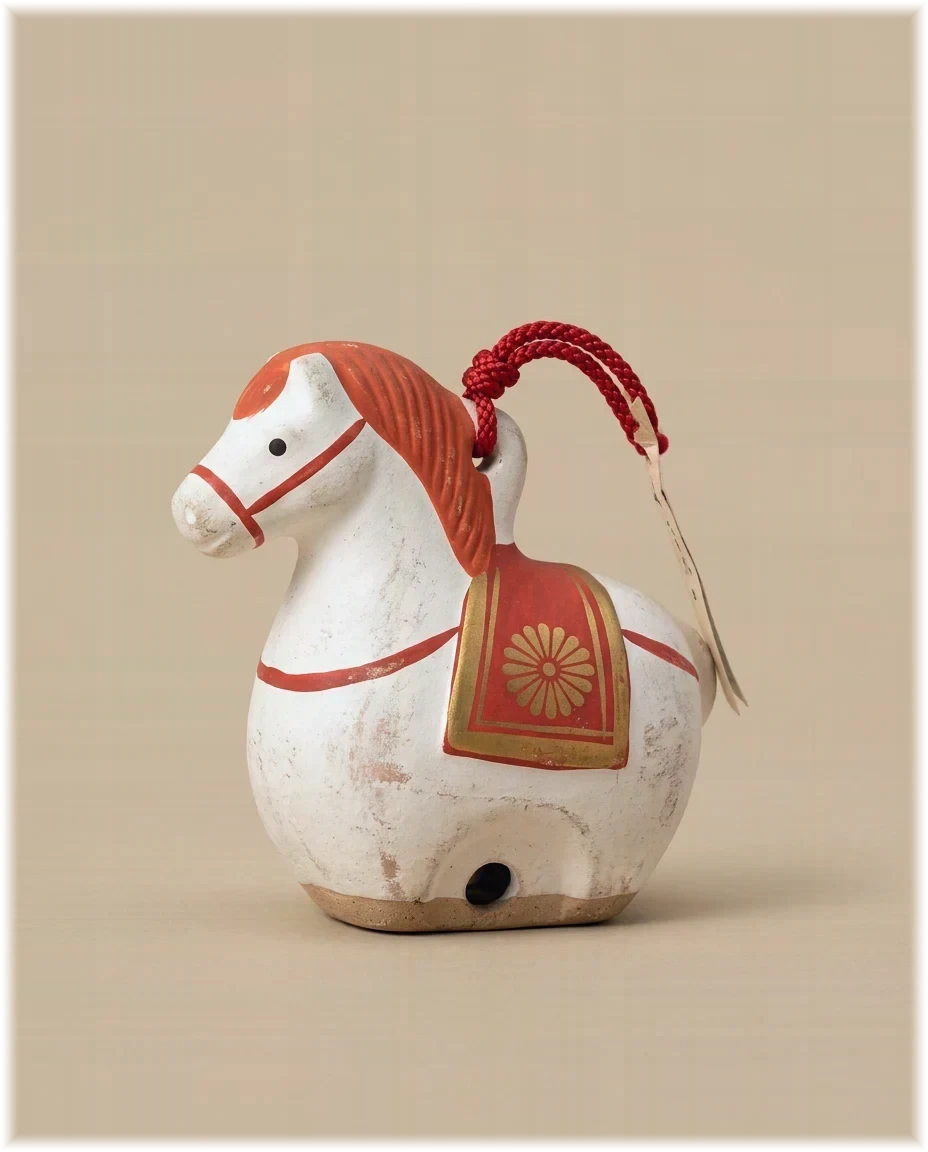
An identical process dictates the strict schedule for clay artisans. Regional kilns spend the early autumn months pressing local clay into two-part plaster molds to create dorei [土鈴], small hollow clay bells. Before the two halves of the bell are sealed together, the maker places a small, rolled ball of dry clay inside the cavity. The entire piece must air-dry completely on wooden boards in the autumn breeze. If early autumn rains interrupt the drying process, the residual moisture trapped inside the enclosed bell will turn to steam in the kiln and shatter the thick clay walls.
Once the blank forms are properly cured and fired, the painting begins. November is spent applying a thick base coat of crushed oyster shell powder, known as gofun [胡粉], which creates a stark, chalky white surface. Bright mineral pigments are then applied by hand using fine brushes. By the middle of December, the finished animals are packed tightly into wooden crates and shipped to shrines across the country. They arrive just as the shrine attendants begin setting up the sales tents for the dense new year crowds.

What materials are used for New Year charms?
The physical characteristics of an eto charm depend entirely on the specific region where it was made. Japan has a long, documented history of local folk crafts, collectively known as kyodo gangu [郷土玩具]. Before the era of mass manufacturing and plastics, farmers and local artisans made these objects by hand during the agricultural off-season. They used whatever raw materials were abundant in their immediate landscape. Consequently, the texture, the weight, and the function of a zodiac charm vary significantly from one prefecture to another.
In regions with strong historical paper-making industries, such as Gifu prefecture where Mino washi is produced, hariko is the standard format. A hariko zodiac animal is entirely hollow inside. It weighs almost nothing in the palm of the hand. The painted surface is slightly rough, showing the faint overlapping seams of the torn paper strips. Because it is essentially a shell of dried glue and paper, it is relatively fragile. If it is dropped on a hard floor, the paper shell will dent inward or split along a seam.
In areas rich in heavy, workable soil, such as Kyoto or Aichi prefecture, the dorei clay bell is the preferred form. A dorei is dense and distinctly cold to the touch. The unglazed clay surface remains porous and matte under the paint. The sound it makes is not a clear, sharp metallic ring. When the object is shaken, the baked clay pellet inside strikes the thick interior walls, producing a dull, earthy rattle. This specific, blunt sound was historically believed to startle and drive away malevolent spirits from the dark corners of the home.
In heavily forested mountainous areas in the north, artisans carve the annual animals directly from local timber. These wooden figures, known as kibori [木彫り], often leave the sharp chisel marks highly visible, deliberately highlighting the natural grain of the camphor, cherry, or cedar wood. Unlike the paper or clay objects, the raw wood darkens over the months and absorbs oils from human hands, changing color slightly before it is returned to the shrine.
| Material Type | Japanese Term | Physical Characteristics | Historical Function |
|---|---|---|---|
| Papier-mâché | Hariko | Hollow, lightweight, visible paper seams | Inexpensive to produce and transport over long distances |
| Clay | Dorei | Dense, matte surface, contains a rattling pellet | Sound was believed to purify a space and drive away spirits |
| Wood | Kibori | Solid, heavy, visible chisel marks and wood grain | Durable, utilizes local mountain timber from the surrounding forests |
How is the zodiac animal displayed in the home?
The placement of the eto figure inside the home follows specific, established spatial rules. The object is rarely placed in a bedroom, a kitchen, or a private back hallway. It is almost always positioned in the genkan [玄関], the main entryway of the house, or in the primary living space where guests are received. The entryway serves as the formal boundary between the chaotic outside world and the protected domestic interior. People place the animal here, ensuring it faces the front door. It is intended to greet the Toshigami [年神], the visiting deity of the new year, the exact moment they enter the house.
The physical presentation of the object is highly formalized. The animal does not sit directly on a bookshelf or a bare wooden table. It is usually placed on a small, rectangular wooden base, or a small square mat made of bright red felt. A miniature folding screen, made of stiff gold paper, is often set up directly behind the figure to frame it against the wall. A small upright wooden placard bearing the black ink kanji for the animal’s name stands to one side. This deliberate arrangement elevates the object from a simple decorative toy to a recognized seasonal marker.
The figure remains strictly in its designated spot from late December until the final days of the calendar year. It is dusted occasionally but otherwise left completely alone. It does not match the everyday furniture, the carpets, or the permanent decor of the surrounding room. Its presence is intentionally disruptive to the normal visual flow of the house. The bright red paint, the stark white gofun, and the reflective gold paper screen contrast sharply with the quiet wood, glass, and painted plaster of a typical hallway.
When December returns and the year draws to a close, the formal display is dismantled. The small wooden base, the placard, and the gold screen are carefully packed away in a box, but the animal itself is carried out of the house. By faithfully returning the object to the shrine fire every single year, the household actively avoids the accumulation of decades of old charms. The physical destruction of the object in the fire enforces a real sense of passing time. A shelf is cleared and wiped down, leaving an empty space waiting for the next animal in the ongoing cycle.
Maison Homura is a small museum of Japanese objects in Fukuoka — folk toys, ceramics, carved wood and Takaoka bronze, each catalogued with where it was made, how, and what it was for.